Airbus Helicopters is leading the second phase of the European Next Generation Rotorcraft (ENGRT) project, aiming to develop technologies for a future military helicopter with improved survivability, connectivity and a 50% reduction in maintenance burden compared with existing platforms.
The ENGRT programme brings together 53 industrial and institutional partners, co-led by Airbus Helicopters and Leonardo, with support from 12 EU Member States. The second phase began in early 2026 and will run for three years, moving the initiative from research and technology towards research and development.
According to Ralf Weber, Campaign Manager at Airbus Helicopters, future military rotorcraft must combine advanced mission systems, avionics, sensors and self-protection capabilities with manoeuvrability and operational resilience in contested environments. The aircraft is expected to fly by the end of the next decade.
Digital architecture and maintainability shape development
Maintenance is a key consideration in the future helicopter’s design. Airbus aims to reduce maintenance requirements by 50% compared with existing aircraft, while enabling servicing with standard tools and a smaller logistical footprint. These objectives are intended to improve availability and simplify support during deployed operations.
The programme is also exploring open system architecture (OSA), which could allow mission systems and aircraft configurations to be updated more rapidly as operational requirements change. During ENGRT II, partners will increase the technological readiness of key systems and develop an OSA test bench to assess how different technologies work together.
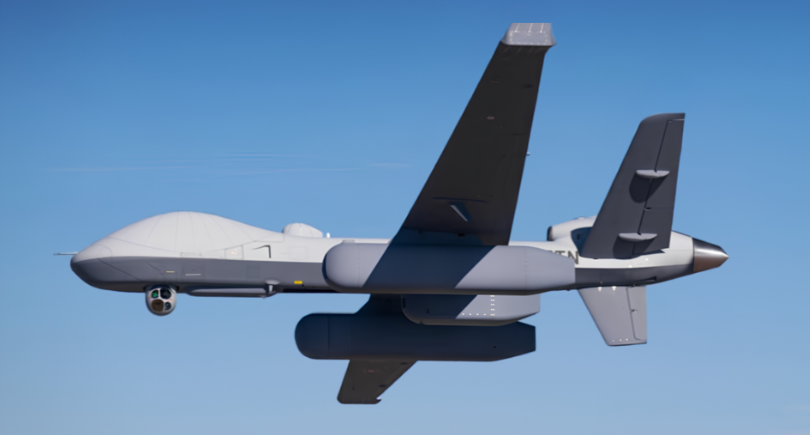
Connectivity is another priority. The future platform is expected to operate as part of a wider multi-domain combat system, linking with satellites, battlefield networks and multiple uncrewed aircraft. Crewed-uncrewed teaming could allow helicopter crews to control several drones while remaining connected to the broader operational picture.
Also Read –Titomic wins US$5 million US Air Force contract for cold spray system
For military maintenance organisations, these developments point to a future support model requiring adaptable system integration, updated technical training and configuration management alongside conventional airframe and propulsion maintenance.
The second phase will help establish the technological foundations for a future European military helicopter, although the final aircraft configuration remains subject to discussions between the European Commission and participating nations. Technologies developed through ENGRT could also inform upgrades to existing Airbus Helicopters platforms.