Live News

28.3°C
  • Indian
28.3°C
  • California
October 19, 2026
Follow Us:
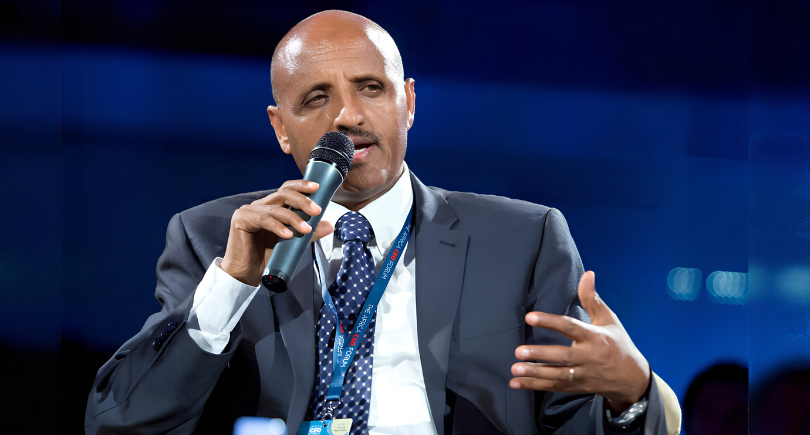
Air India is reportedly exploring ways to reduce the cost of maintaining its Airbus A350 fleet as Chief Executive Officer Tewolde Gebremariam steps up efforts to improve the airline’s financial performance. The review is focused on aircraft and engine maintenance expenditure, which has reportedly exceeded the airline’s initial projections, prompting preliminary discussions with its service providers. According to a Bloomberg report citing people familiar with the matter, Tewolde has raised concerns about the costs associated with operating and servicing the Rolls-Royce Trent XWB engines powering the airline’s A350-900 aircraft. Air India has reportedly begun preliminary discussions with its maintenance partners to identify opportunities to bring down expenditure under its existing support arrangements. The review comes as the airline seeks to contain mounting losses, improve operational efficiency and make more effective use of its fleet and other business assets. With substantial investments committed to fleet expansion, managing long-term maintenance costs will be an important consideration in Air India’s broader financial and operational turnaround. A350 fleet maintenance under review Air India currently operates six Airbus A350-900 aircraft, which are deployed on key long-haul routes connecting India with the United States and Europe. The aircraft are powered by Rolls-Royce Trent XWB engines, developed specifically for the Airbus A350 family. The A350 is an important component of Air India’s widebody fleet modernisation strategy, supporting the airline’s ambitions to expand its international network and improve its long-haul product offering. However, the cost of maintaining these aircraft and their engines has reportedly emerged as an area requiring closer scrutiny. According to the Bloomberg report, Tewolde has flagged engine operating and servicing expenses that have turned out to be higher than initially anticipated. The airline is now exploring whether its existing arrangements can be made more cost-effective. The discussions are understood to be at a preliminary stage. It remains unclear what specific changes Air India is seeking, whether these would involve revised commercial terms, adjustments to the scope of support services or other measures to improve maintenance economics. Airbus and Rolls-Royce support agreements in focus Air India has maintenance support arrangements with Airbus Flight Hour Services for its aircraft and Rolls-Royce’s TotalCare programme for engine servicing. These arrangements form part of the support framework for keeping its widebody aircraft and engines operational. Under flight-hour-based support models, maintenance costs are linked, in different ways depending on the agreement, to aircraft utilisation and the services covered. Such arrangements can help airlines improve cost visibility and reduce exposure to certain unpredictable maintenance expenses. Their overall financial value, however, depends on contractual terms, utilisation, the scope of work and the maintenance requirements of the fleet. For an airline operating long-haul aircraft, engine support is a particularly significant cost consideration. Engine maintenance can involve scheduled shop visits, inspections, replacement of life-limited parts, repairs and the management of spare-engine availability. The timing and extent of these requirements can influence an operator’s maintenance expenditure and aircraft availability. If actual costs exceed the assumptions used when support agreements were negotiated, airlines may seek to review the commercial arrangements or identify ways to improve the overall economics of the programme. Any changes would depend on the terms of the contracts and the willingness of the parties to agree to revisions. For Air India, the immediate priority appears to be identifying why the costs have exceeded expectations and determining whether savings can be achieved without compromising safety, reliability or operational performance. Air India, Airbus and Rolls-Royce did not respond to Bloomberg’s emailed requests for comment, according to the report. Trent XWB engine costs and long-term fleet economics Air India placed an order in 2023 for 80 Trent XWB engines, with an option to purchase an additional 20. The order reflects the airline’s long-term commitment to the A350 platform and highlights the importance of managing engine support costs over the life of the fleet. For operators, the economics of a modern widebody aircraft extend well beyond the initial acquisition or lease cost. Fuel consumption, engine maintenance, component availability, spare-parts inventory, aircraft utilisation and the time required for maintenance all contribute to the overall cost of operation. Engine maintenance is especially important because shop visits can represent a substantial expenditure and may affect the availability of aircraft if turnaround times are extended. Airlines must balance maintenance planning and cost control with the need to meet manufacturer requirements, regulatory obligations and operational schedules. The reported review at Air India therefore raises a broader question about the assumptions underlying long-term maintenance agreements as the airline scales up its widebody operations. While newer aircraft can offer efficiency advantages, their maintenance economics still depend on utilisation, contractual coverage, technical requirements and the effectiveness of maintenance planning. The six A350-900 aircraft currently in service provide a relatively small operating base, but the airline’s wider fleet expansion plans make the management of recurring maintenance costs increasingly important. Cost control becomes central to Air India’s turnaround The A350 maintenance review forms part of a wider effort by Tewolde to improve Air India’s financial performance. The airline reported its highest-ever annual loss of more than ₹220 billion, or approximately ₹22,000 crore, in the previous financial year, according to the report. Air India is also seeking ₹100 billion, or ₹10,000 crore, in fresh capital from its shareholders, Tata Sons and Singapore Airlines, as it continues to require substantial financial support. In this context, reducing maintenance expenditure could help improve the airline’s cost base, although the eventual savings from the A350 review have not been disclosed. The financial impact will depend on the scale of the cost overruns, the measures agreed with service providers and the time required to implement them. The airline is also examining other areas of its operations. Bloomberg previously reported that Tewolde was looking to improve cargo capacity utilisation, which sources said was averaging around 35% of available capacity. Better utilisation could create an opportunity to improve revenue generation from an existing business, although the extent of any improvement will depend on demand, network planning and available cargo capacity. The CEO has also reportedly asked employees to develop measures to address maintenance-related problems, noting that the airline’s fleet is relatively young. Last year, India's aviation regulator flagged a higher number of safety-related issues at Air India compared with other carriers, according to the report. These challenges underline the importance of treating maintenance efficiency as more than a cost-cutting exercise. Reliable maintenance planning, timely access to parts, effective engineering processes and adequate technical oversight are essential to maintaining aircraft availability while meeting safety requirements. Air India Express Integration under consideration Another reported element of Tewolde’s strategy is the possibility of bringing budget carrier Air India Express under the main Air India group. The potential move would form part of a broader review of the group’s structure and operations. Greater coordination across the airline group could create opportunities in areas such as procurement, maintenance planning, support functions and resource allocation. However, the operational and financial implications would depend on the structure ultimately adopted and the extent to which activities could be integrated. For the MRO sector, closer coordination across a larger airline group can create opportunities to examine maintenance procurement, engineering processes and supplier relationships. Any benefits would need to be assessed against the different aircraft types, operating models and technical requirements across the group. Air India’s reported discussions with Airbus and Rolls-Royce highlight the growing importance of maintenance economics as Indian carriers expand their fleets and international operations. Long-term maintenance agreements provide airlines with structured support and can improve cost predictability, but they must also remain aligned with operational requirements and the financial realities of fleet utilisation. When actual expenditure diverges from initial estimates, operators may look for ways to improve contractual value and strengthen cost management. For OEMs and MRO providers, such reviews reinforce the need to demonstrate the value of maintenance support through reliability, turnaround times, technical performance, parts availability and transparent commercial arrangements. Cost competitiveness remains important, but any effort to reduce expenditure must preserve airworthiness and operational safety. As Air India continues its turnaround, the outcome of the reported discussions could offer insight into how the airline intends to manage the lifecycle costs of its expanding widebody fleet. No revised terms or confirmed savings have been announced in the report, and the extent of any changes to the existing support arrangements remains uncertain. For now, the A350 maintenance review is one part of a wider effort to improve Air India’s financial performance while strengthening the operational foundations required for long-term growth.
Editor’s Pick

Air India seeks to reduce A350 maintenance costs as CEO Tewolde targets efficiency

Air India is reportedly exploring ways to reduce the cost of maintaining its Airbus A350 fleet as Chief...

Air India aircraft flying above clouds as the airline expands its MRO operations.
Digital MRO and Innovation

Air India selects Swiss-AS AMOSmro and AMOS CROM for MRO expansion

The digital platform will integrate commercial and maintenance processes as Air India develops its Bengaluru MRO facility and...
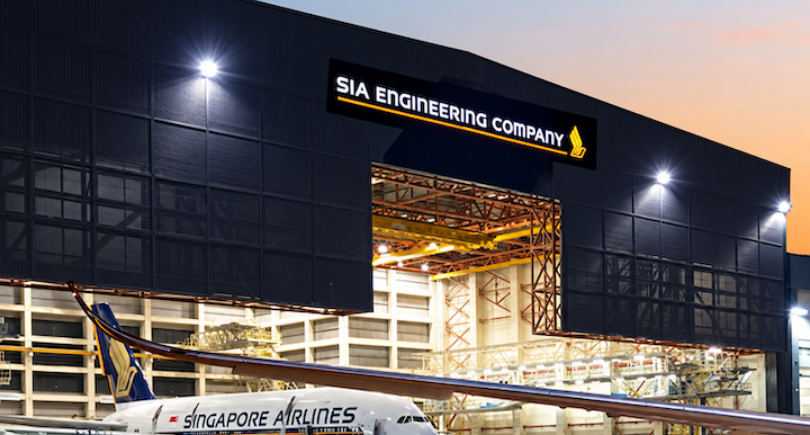
SIA Engineering facility supports Air India MRO expansion
Editor’s Pick

Air India, SIAEC expand MRO Cooperation amid capacity gaps

Air India and SIA Engineering Company (SIAEC) are exploring broader maintenance cooperation in India, including a possible joint...

Air India leaders standing together at an official event.
Special Story

Tewolde Gebremariam puts safety at the heart of Air India’s next transformation phase

Incoming Air India CEO and Managing Director Tewolde Gebremariam has placed safety and operational excellence at the centre...

Air India aircraft representing the airline’s ongoing fleet transformation.
Special Story

Air India seeks $1.5bn fresh equity as fleet transformation continues

Proposed funding from Tata Sons and Singapore Airlines comes as Air India manages heavy losses, fleet refurbishment and...
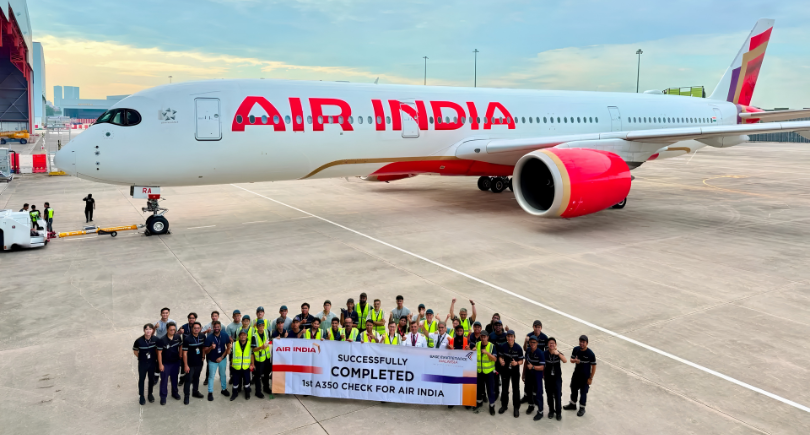
Air India completes six Airbus A350-900 C-checks ahead of schedule, strengthening its in-house MRO capabilities.
Special Story

Air India completes six A350 C-checks nearly a month ahead of schedule

Milestone strengthens Air India’s in-house wide-body maintenance capabilities as its Airbus A350 fleet expands Air India has completed...

Former Air India CEO Campbell Wilson joins Air New Zealand’s Board as a director.
Executives in Focus

Air New Zealand appoints former Air India CEO Campbell Wilson to board

Former Air India Chief Executive Officer and Managing Director Campbell Wilson has joined Air New Zealand as a...

N. Chandrasekaran’s decision not to seek reappointment as Tata Sons chairman raises questions about Air India’s future and MRO strategy.
Editor’s Pick

What does N. Chandrasekaran’s exit mean for Air India?

Tata Sons Chairman N. Chandrasekaran’s decision not to seek reappointment marks a significant leadership transition for the Tata...

Air India announced the appointment of Tewolde Gebremariam as its new Chief Executive Officer and Managing Director
Editor’s Pick

Tewolde Gebremariam’s full circle moment from Mumbai’s Iconic Taj Mahal Hotel to Corner Office at Air India

How Tewolde Gebremariam's return to India could shape the next chapter of Air India's transformation Nearly three decades...

Air India expands its Boeing 787-8 Dreamliner retrofit programme by adding Boeing's Shanghai MRO facility to accelerate cabin upgrades across its legacy fleet.
Special Story

Air India accelerates B787 retrofit programme, adds Boeing Shanghai MRO to fast-track fleet modernisation

National carrier expands global retrofit network as it targets completion of legacy Dreamliner cabin upgrades by end-2027 Air...