
Boeing’s 737 MAX ramp-up delays expose the wider MRO implications of manufacturing bottlenecks
An aircraft does not enter the aviation ecosystem the day it arrives at an airline. Its lifecycle begins much earlier through thousands of suppliers, production lines, component manufacturers, engineering organisations and maintenance providers that collectively enable it to take to the skies.
That is why a slowdown on an aircraft production line can have consequences far beyond the factory floor.
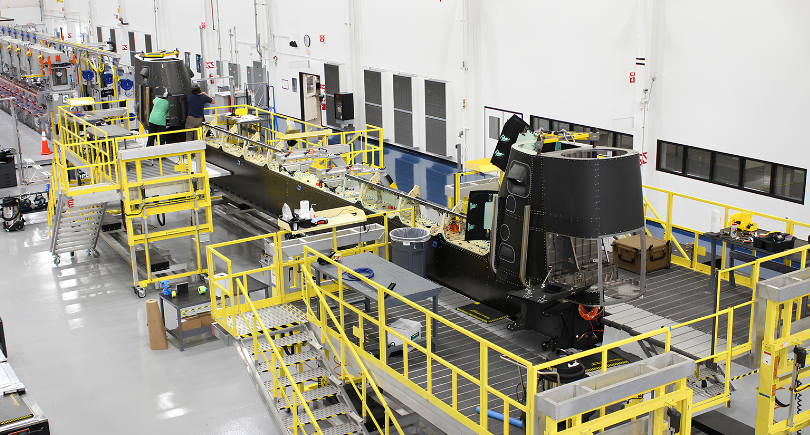
Boeing’s latest delay to its planned 737 MAX production ramp-up has once again highlighted the interconnected nature of today’s aerospace supply chain. According to the information reviewed for this report, Boeing’s management has indicated that manufacturing bottlenecks, factory capacity constraints and supply-chain challenges are slowing the planned increase in 737 MAX output. The slower production rate is also expected to affect previously outlined cash-flow targets.
For the MRO industry, however, the bigger story lies in what happens when production schedules, aircraft deliveries and aftermarket planning no longer move in lockstep.
The production bottleneck behind the numbers
Boeing had been working towards increasing 737 MAX production, with the planning trajectory described as moving towards 47 aircraft per month and subsequently 52 aircraft per month. The latest delay means that this ramp-up is taking longer than previously anticipated.
For Boeing, the immediate consequences include delayed aircraft-related cash inflows and continued working capital tied up in inventory and unfinished aircraft, according to the source material. But aircraft production is also a carefully balanced industrial ecosystem.
A change in the production rate affects suppliers that manufacture everything from major structures and engines to avionics, interiors, landing gear, flight-control systems, and thousands of smaller components. For MRO providers, the implications are less immediate but potentially significant.
The timing of fleet growth determines when additional aircraft will require scheduled maintenance. Delayed deliveries can therefore shift fleet-age profiles, utilisation assumptions and future maintenance demand.
When deliveries move, maintenance planning moves with them
Airlines do not plan maintenance in isolation. Fleet planning, aircraft deliveries, utilisation, retirements, spare-parts requirements, engine shop visits, component demand and maintenance capacity are all interconnected.
When a new aircraft delivery is delayed, an airline may need to retain an existing aircraft for longer than originally planned. That can alter the maintenance profile of the fleet.
An aircraft that was expected to leave the fleet may remain in service. A heavy maintenance event may need to be scheduled differently. Existing aircraft may accumulate additional flight hours and cycles. Spare-parts demand can shift accordingly. For MRO organisations, these changes can create a moving target. The challenge is not necessarily that maintenance demand disappears. Rather, the timing and composition of that demand can change.
The aftermarket operates several steps behind the factory. One of the defining characteristics of the commercial aviation aftermarket is its long lifecycle.
An aircraft can remain in service for decades, generating demand for maintenance, repair, overhaul, components, modifications and technical support throughout its operational life. That means today’s production disruption can become tomorrow’s aftermarket planning issue. A delayed production ramp-up could alter the pace at which newer-generation aircraft enter airline fleets. This, in turn, can influence the retirement of older aircraft and potentially extend their operational lives.
For MRO providers, that could mean continued demand for maintenance on aircraft that were originally expected to be replaced by newer-generation capacity. The result is a more complicated planning environment.
A supply-chain issue is also an MRO issue
The aerospace industry’s supply chain does not stop at aircraft delivery. MRO organisations themselves depend on an extensive network of suppliers for parts, materials, tooling and specialist services. The same manufacturing constraints that affect new-aircraft production can therefore create pressure elsewhere in the ecosystem.
For an MRO provider, the availability of a component is often just as important as the availability of technicians or hangar capacity. If a part is unavailable, an aircraft can remain grounded even when the maintenance work itself is ready to proceed. That is why supply-chain resilience has become an increasingly important part of the industry’s MRO strategy.
The Boeing situation illustrates the scale of that challenge: a production bottleneck involving a high-volume narrowbody aircraft can potentially reverberate through a large industrial network.
The 737 MAX factor
The 737 MAX occupies an important position in the global narrowbody market, making changes to its production trajectory relevant to airlines, lessors, suppliers and maintenance organisations. For the aftermarket, a large backlog represents a substantial future installed base, but the timing matters. Every aircraft that eventually enters service creates a long-term requirement for maintenance, components and technical support. If deliveries shift, the aftermarket opportunity does not necessarily disappear. It moves. That distinction is important.
If aircraft deliveries are pushed back, airlines may retain existing aircraft for longer. This can influence the timing of heavy checks, structural inspections, engine maintenance and component replacement. MRO providers planning hangar capacity and manpower several years ahead may have to account for changes in fleet composition and aircraft utilisation.
Changes in fleet utilisation can influence consumption of rotable components, expendables and repairable parts. Forecasting becomes more difficult when fleet plans are repeatedly adjusted. Aircraft delivery schedules also influence engine fleet planning. Delayed deliveries can alter the timing of induction into service and consequently the long-term rhythm of engine shop visits.
Perhaps one of the most important aftermarket effects could be the continued operation of aircraft that were expected to be replaced sooner. That creates additional maintenance requirements and potentially extends the commercial life of existing MRO capabilities.
The latest Boeing development also reinforces a broader lesson for the MRO industry: visibility is becoming as valuable as capacity. MRO organisations need to understand not only what aircraft are flying today, but what fleets are likely to look like several years from now. That requires increasingly sophisticated forecasting.
Aircraft deliveries, utilisation, retirements, maintenance schedules, component reliability, engine shop visits and supply-chain availability all need to be viewed together.
A production delay at an OEM can therefore become one more variable in an increasingly complex maintenance-planning equation.
From production stability to aftermarket stability
Boeing’s production challenges also illustrate why the aviation industry’s recovery cannot be measured simply by aircraft orders or backlog figures. An aircraft must move through the complete lifecycle pipeline: production, delivery, operation, maintenance, and eventually retirement. Any disruption at one point can influence the others.
For the MRO sector, the immediate question is therefore not simply how quickly Boeing can increase monthly 737 MAX production. It is how changes in that production trajectory will influence airline fleet strategies, aircraft utilisation and maintenance demand across the next several years.
The wider MRO lesson
Boeing’s 737 MAX production delays are a reminder that the aerospace aftermarket is deeply connected to the health of the manufacturing ecosystem. A bottleneck at an aircraft factory can affect suppliers. A supplier constraint can affect deliveries. A delivery delay can affect fleet planning. Fleet changes can affect maintenance schedules. And maintenance schedules ultimately determine where MRO capacity, people, parts, and capital need to be deployed. For an industry built around long-term planning, these connections matter.
The aftermarket may operate independently from the aircraft production line, but it does not operate independently of it. As Boeing works through manufacturing and supply-chain constraints, the MRO industry will be watching more than monthly production numbers. It will be watching what those numbers mean for the aircraft already flying, the aircraft waiting to enter service, and the maintenance ecosystem that will support both.
Because in aviation, when production slows, the consequences do not necessarily stop at the factory gate.