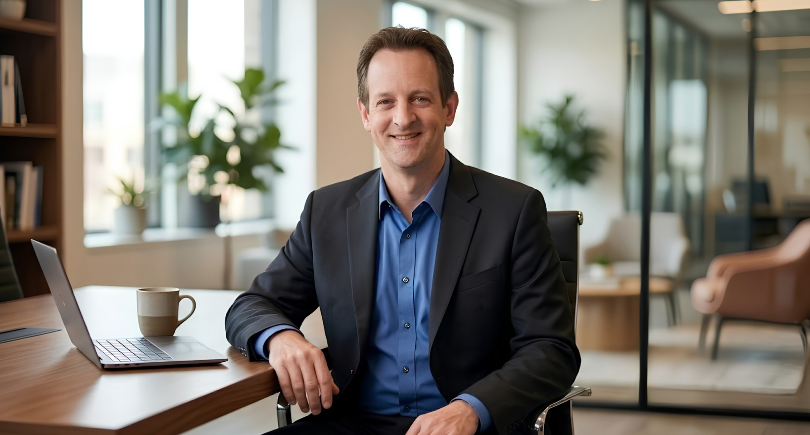

When Icelandair’s iconic Hekla Aurora aircraft completed its flying career in 2025, its distinctive Northern Lights livery could easily have become another piece of aviation history left behind in a teardown facility. Instead, Aviationtag is giving parts of the Airbus A320-family aircraft a new purpose by recovering sections of its original fuselage skin and transforming them into individually traceable keepsakes. In this exclusive Q&A with MRO Business Today, Tobias Richter, Chief Executive Officer, Aviationtag, discusses the recovery of TF-FIU’s painted fuselage material, the role of upcycling within the wider aircraft end-of-life ecosystem, and why preserving provenance can add value to materials long after an aircraft’s final flight.
Q – Hekla Aurora was a particularly iconic aircraft, and its retirement in 2025 marked the end of a very distinctive chapter in Icelandair’s history. What made you decide that preserving part of TF-FIU was important, and how did the collaboration with Icelandair come about?
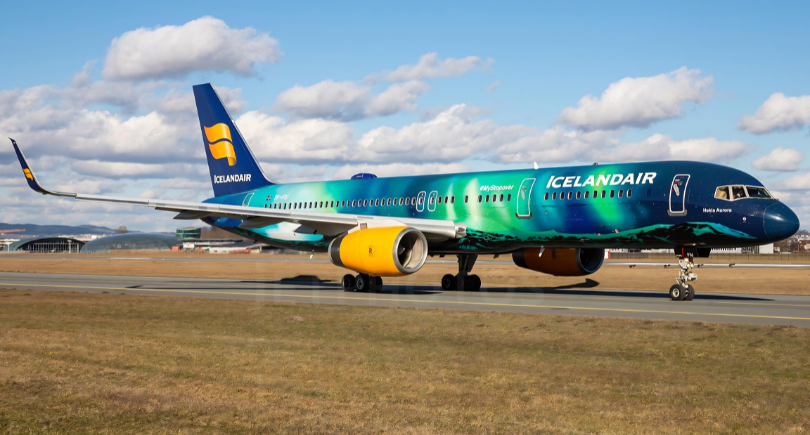
Ans – Hekla Aurora was one of those aircraft you immediately recognised. Its history was special, but that airbrushed Northern Lights livery made it extraordinary. Images of it went viral, and many people called it the “most beautiful aircraft in the world”. You can understand why. For us, the thought was immediate: imagine turning that huge work of art into small pieces of art that people could keep.
That is what makes upcycling an aircraft like TF-FIU so rewarding. Once an aircraft reaches the teardown stage, there is still an opportunity to preserve some of what made it special. In this case, the original paintwork is part of the material we work with. Each Aviationtag carries a small section of that artwork, with its own colours and details, alongside the aircraft’s history.
We had been in contact with Icelandair for seven years, and bringing a project like this to life had been a shared ambition throughout that time. So this collaboration means a great deal to us. We are very grateful to the Icelandair team for their trust and for the way we have worked together. It is a privilege to give part of Hekla Aurora a future beyond its flying days.
Q – Your team travelled to Lleida, Spain, in July 2026 to personally recover sections of the aircraft’s original fuselage skin. Could you take us through that process and what it takes to recover aircraft material in a way that preserves both its physical integrity and its original character?
Ans – Most of the work starts before we make the first cut. We plan which sections we want to recover and exactly where to cut them. With Hekla Aurora, the original paintwork was central to that planning. We knew what we were looking for before we arrived in Lleida, which allowed us to work with a clear plan on site.
We now have ten years of experience recovering aircraft material, from the Piper PA-28 to the Airbus A380, as well as military aircraft ranging from helicopters to the C-130. That experience helps us understand where and how we can remove fuselage skin without compromising the structural integrity needed for the remaining teardown work. Our recovery can be coordinated at different stages of the process; it does not have to happen at the very end, just before the excavator moves in.
In Lleida, the biggest challenge was the heat. Working out on the asphalt at 45°C was demanding, even for an experienced team. But we had a great crew and knew exactly which areas we wanted to recover and how to approach them.
For us, preserving the material’s character means keeping the original surface and paintwork that connect it to the aircraft. Those are the details we want to carry through into the finished Aviationtags. We plan the recovery with that end product in mind, because the way we cut a panel on site determines what we can make from it later.
Q – From an aviation sustainability perspective, what potential do you see in recovering and repurposing materials from retired aircraft rather than allowing valuable aircraft components and materials to become waste?
Ans – Our expertise is in upcycling, so I would leave the broader assessment of aircraft recycling to the specialists who do that work every day. There is already a great deal of expertise in the teardown sector, both in recovering serviceable components and in finding ways to make use of the remaining materials. We see our work as a small contribution to that wider effort.
For us, this started in 2006, when our parent company, bordbar design, was founded to give retired airline trolleys a second life as furniture. Aviationtag followed in 2016, applying that same idea to the aircraft material itself: what can we keep in use, and what can we make from it that people will value?
The fuselage skin is a good example. It covers such a large part of the aircraft, but once it is retired and dismantled, there are limited opportunities to reuse that material in its existing form. Recycling provides an important route for it. Through upcycling, we can retain selected sections, including their original paintwork, and turn them into something people can use and keep.
We are realistic about the scale of our contribution. Our tags use only a small proportion of an aircraft’s material. But we are happy to give that material another purpose while also preserving something of the aircraft’s history. That connection is what makes our work meaningful to us, and hopefully encourages people to see value in things that have reached the end of their original use.
Q – The Hekla Aurora edition is an interesting example of extending the life of an aircraft material well beyond the aircraft’s operational life. How do you see initiatives such as this contributing to the broader concept of circularity in aviation?
Ans – The end of an aircraft’s operational life does not have to mean the end of its story. We see that with Hekla Aurora, but also with projects.
Our contribution to circularity is modest: we give some of the original material a new purpose and a reason to be kept and valued. There is an emotional connection involved, too. For someone who flew on that aircraft or worked on it, the material has a significance that goes well beyond the metal itself.
Projects like this can also make the wider subject more accessible. An Aviationtag is something tangible that can start a conversation about what happens to an aircraft after its final flight. If that brings a little more attention to the hard work being done across airlines, MRO businesses and teardown specialists to keep components and materials in use and reduce aviation’s environmental footprint, we are pleased to play a small part.
Q – Aircraft teardown and end-of-life management are becoming increasingly important as global fleets age and more aircraft are retired. What lessons can the aviation industry learn from the Hekla Aurora project when it comes to material recovery, reuse and preserving value?
Ans – I would hesitate to say we are here to teach the industry lessons. But we would welcome more airlines recognising the value of upcycling and making it part of their end-of-life planning.
There can still be a reluctance to show aircraft being dismantled, out of concern for the brand. We see it differently: teardown is a necessary part of an aircraft’s lifecycle. Through the recovery of serviceable parts, one aircraft on the ground can help keep many others flying, while recycling and upcycling give the remaining materials further value.
The affection for an aircraft does not disappear after its final flight. Upcycling gives people a way to keep that connection and opens up a conversation about what happens next. We are pleased to see more airlines embracing this approach, with Icelandair setting a positive example, and helping people understand the value of the work behind it.
Q – Aviationtag has worked with material from a number of aircraft with strong histories and identities. How important is the provenance of the material to the process, and does the story behind an aircraft influence how you approach its second life?
Ans – It is central to what we do. People do not buy an Aviationtag simply because it is a piece of aluminum. They buy it because of the aircraft it came from and what that aircraft means to them. Hekla Aurora is a perfect example, as are our A380 MSN 3, Super Guppy and Ed Force One projects.
We often hear from people with a very personal connection: a pilot who flew the aircraft’s first flight, a couple who travelled on it for their honeymoon, or someone who operated the pushback tug before its final departure. And honestly, you should have seen how excited Bruce Dickinson was about his first Aviationtag from Ed Force One—the aircraft he had piloted on tour as Iron Maiden’s lead singer. That was quite a moment for us.
Those reactions explain why provenance matters so much. The aircraft’s history shapes everything from the material we select to the story we share with the finished tag. We are preserving something people have a real connection to, and giving them a way to keep those memories close.
Q – Looking ahead, how do you see the role of aircraft end-of-life solutions evolving, and what would you like to see the wider aviation and MRO industry do differently to make aircraft retirement a more circular process?
Ans – We can best speak for the upcycling side, and for us, the opportunity lies in closer collaboration. We already have strong, trusted relationships with MRO and teardown partners around the world. With our 150th edition approaching, we know how much those relationships matter.
We would love to expand that network, so any MRO partner who sees potential in an aircraft they are working on is very welcome to get in touch. There is a commercial upside for our partners, too—original paintwork tends to be worth more to us than it is to the scrap dealer. In most cases, our MRO partners cut the material for us, with guidance from us on the sections we need. If they do not have the time and the project is a good fit, we can also send our own cutting crew.
The same invitation goes to airlines. We are happy to explore upcycling projects together, and the possibilities extend beyond Aviationtags. Through our partners, we can develop a wider range of products from retired aircraft material. Our hope is that upcycling becomes a more familiar part of retirement planning, with opportunities identified while the material is still available.