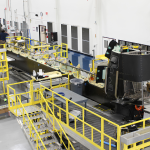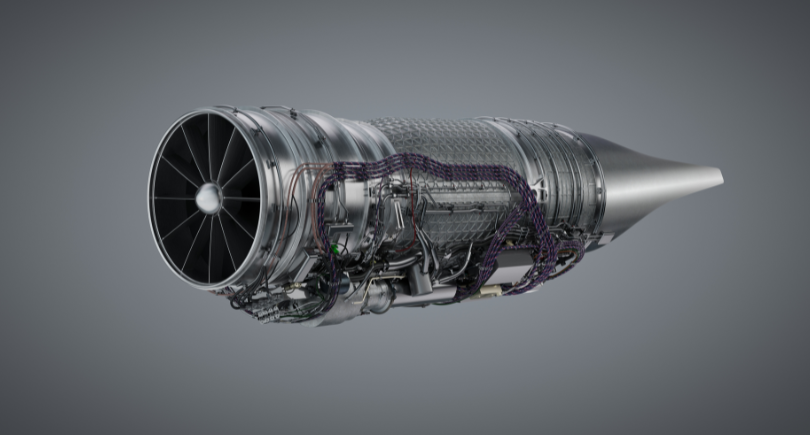

GE Aerospace is preparing for assembly of the first XA102 adaptive cycle engine test asset, using model-based engineering and digital manufacturing processes to support production.
The XA102 is being developed under the US Air Force’s Next Generation Adaptive Propulsion (NGAP) programme. GE Aerospace is currently working with suppliers to procure hardware and test subcomponents ahead of the first engine assembly.
“Our team is working with suppliers to procure hardware and test subcomponents as we prepare for assembly of the first XA102 test asset,” said Jorge Perez, general manager of Edison Works Advanced Combat Engines at GE Aerospace.
“With our learnings from the XA100 program as a foundation, we are well positioned to advance adaptive cycle engine technology and support the Air Force’s vision for next-generation propulsion,” Perez added.
The XA102 has been developed using model-based engineering practices intended to reduce development time and support the transition from engineering into manufacturing.
GE Aerospace is extending these digital engineering methods into manufacturing, inspection and assembly through the use of model-based definition (MBD). The approach provides the complete product definition in a machine-readable format that can be used by downstream manufacturing and inspection processes.
The XA102 programme is GE Aerospace’s first engine to use MBD throughout the design-to-assembly process instead of traditional two-dimensional engineering drawings. Integrated digital models connect design, manufacturing and inspection activities, with the aim of improving production accuracy and reducing the time required to move from engineering to physical assembly.
GE Aerospace is also working with suppliers to ensure they can use the model-based design data within their own manufacturing and inspection processes. This extends the digital workflow across the supply chain and supports a more direct transition from engineering specifications to production.
The company is applying experience from the XA100 programme in areas including adaptive cycle propulsion, thermal management, fuel efficiency and advanced design methods as the XA102 progresses toward testing.
Also Read – Vietjet Qazaqstan goes live with AMOS Airline Edition, modernising maintenance operations
GE Aerospace has also completed demonstrations associated with the model-based engineering practices during the first phase of the programme, providing a basis for applying the digital approach to the engine’s manufacturing and assembly activities.
The use of MBD across design, manufacturing, inspection and assembly represents a shift from drawing-based production toward an integrated digital engineering workflow, with potential applications for future engine development and production programmes.