
Embraer’s selection of Mahindra as its Indian defence partner for the IAF’s proposed 60-aircraft Multi-Role Transport Aircraft programme goes beyond a potential aircraft sale. If the KC-390 Millennium is selected, the partnership could lay the foundation for a broader Indian industrial and MRO ecosystem around the platform.
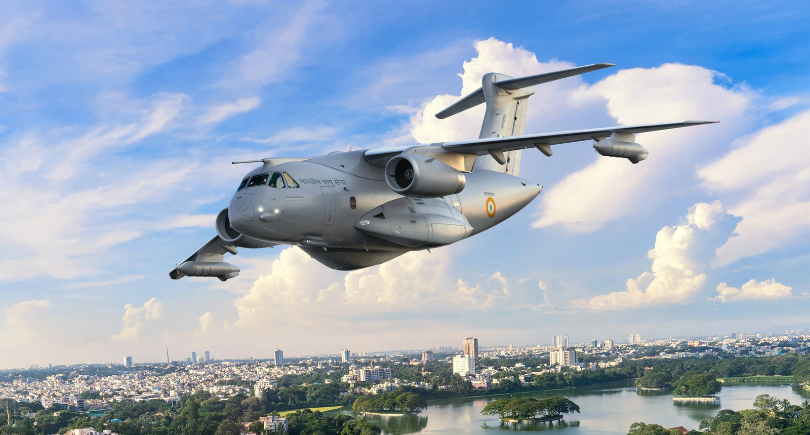
Embraer has confirmed Mahindra Group as its Indian partner for the Indian Air Force’s proposed Multi-Role Transport Aircraft programme, with the Brazilian manufacturer offering its twin-engine KC-390 Millennium.
The programme envisages an initial requirement for 60 aircraft, with an option to increase the fleet by a further 50 per cent. The aircraft is being positioned as a potential replacement for the IAF’s ageing An-32 fleet and as a future medium airlift platform.
For the MRO industry, however, the more significant element may be what happens around the aircraft after delivery.
MRO as part of the industrial proposition
Embraer and Mahindra have already established a framework covering industrialisation, local manufacturing and assembly, supply-chain development and MRO. If the KC-390 is selected, the companies have indicated plans for in-country MRO covering base and heavy maintenance, structural inspections, component overhaul, avionics support and training.
That could give India more than an aircraft assembly capability. It could create an integrated support ecosystem around the platform, bringing maintenance, components, engineering and technical training closer to the operator.
Embraer Defence and Security President and CEO Bosco da Costa Junior has also indicated that the company sees India as a potential regional hub for its supply chain and MRO activities.
That ambition is particularly relevant to India’s wider aerospace strategy, where local sustainment capability is increasingly becoming an important part of major aircraft acquisition programmes.
Aircraft procurement to lifecycle support
The MTA programme illustrates how the value proposition around a military aircraft can extend well beyond the initial procurement.
A fleet of 60 aircraft potentially growing by another 50 per cent would create a long-term requirement for scheduled maintenance, heavy checks, component repair, engine and systems support, spares, technical publications, training and engineering services.
For India, developing those capabilities domestically could reduce dependence on overseas maintenance infrastructure while creating opportunities for local suppliers and MRO providers to participate in the aircraft’s lifecycle.
The proposed localisation also has the potential to connect manufacturing and aftermarket activities. An Indian industrial base supporting the KC-390 could eventually encompass production, assembly, repair and overhaul, component support and training within a connected ecosystem.
Mahindra–Embraer defence partnership
The relationship between Mahindra and Embraer predates the current MTA campaign. The companies signed a memorandum of understanding in 2024 and expanded their cooperation through a Strategic Cooperation Agreement in 2025.
The partnership covers areas including joint marketing, industrialisation, local manufacturing and assembly, supply-chain development and MRO.
Embraer’s confirmation that Mahindra remains its military partner provides clarity on the industrial alignment for the defence campaign, particularly as other Indian companies have also received the Ministry of Defence’s RFP.
The MTA competition includes Mahindra, Tata, Hindustan Aeronautics Limited, Reliance Defence and Adani, according to the information provided by Embraer.
Embraer is separately partnering with the Adani Group on its civilian aviation strategy in India, creating distinct industrial relationships for its defence and commercial activities.
New MRO platform
The KC-390 is already operated by several countries, including Brazil and Portugal, while additional international customers have placed commitments for the aircraft.
The platform combines medium airlift capability with roles including cargo transport, troop and paratroop transport, medical evacuation, search and rescue, firefighting and aerial refuelling.
If selected by the IAF, establishing an Indian support ecosystem could therefore have implications beyond the domestic fleet. A local MRO and supply-chain base could potentially support future regional operators of the platform as well, depending on the eventual industrial arrangements and regulatory approvals.
That is where the Mahindra–Embraer proposition becomes particularly relevant to the MRO sector.
The MTA programme is still a competitive procurement, and the final outcome will depend on the IAF’s evaluation and the terms offered by the competing bidders. But Embraer’s stated intention to develop local manufacturing, supply-chain, and MRO capabilities makes the programme one to watch not only for the aircraft it could bring to India, but also for the aftermarket ecosystem that could develop around it.