The Government of Canada has announced plans to procure a new aircraft fleet for the iconic Canadian Forces Snowbirds, marking the beginning of a major transition for one of the world’s most recognised military aerobatic teams.
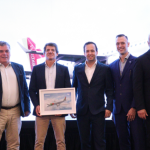
The announcement was made by David J. McGuinty, Canada’s Minister of National Defence, alongside Jamie Speiser-Blanchet, Commander of the Royal Canadian Air Force (RCAF), at 15 Wing Moose Jaw in Saskatchewan.
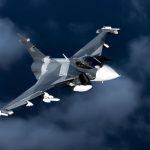
As part of the modernization initiative, the Department of National Defence confirmed that the future Snowbirds fleet will be based on the CT-157 Siskin II, the Canadian designation for the Pilatus PC-21 advanced trainer aircraft. The platform will eventually replace the ageing Canadair CT-114 Tutor fleet, which has served both as a jet trainer and the official Snowbirds demonstration aircraft for decades.
The transition represents a historic milestone for the RCAF and Canadian aviation heritage. The venerable Canadair CT-114 Tutor first entered service in 1963 and has been flown by the Snowbirds since 1971. After more than 55 years of public air demonstrations and over six decades of operational service, 2026 will officially mark the final performance season for the Tutor fleet.
The future demonstration capability will continue to operate from 15 Wing Moose Jaw, Saskatchewan, which has long served as the home of the Snowbirds and remains a critical hub for military flight training in Canada. The new fleet is expected to become operational in the early 2030s and will ultimately restore the team’s signature nine-aircraft formation displays.
The announcement forms part of the broader modernization strategy underway within the RCAF as Canada continues investing in future-ready air and space capabilities. Defence officials stated that the new fleet will ensure the continuation of Canada’s longstanding air demonstration tradition while also supporting advanced pilot training and operational readiness.
Minister McGuinty described the Snowbirds as a national symbol of excellence and professionalism that has inspired Canadians for generations through performances across the country and internationally. He emphasised that the new capability would preserve the team’s legacy while supporting the future development of Canada’s Air Force modernization agenda.
Meanwhile, Buckley Belanger highlighted the deep connection between the Snowbirds, Moose Jaw, and the province of Saskatchewan, noting that the continuation of the program would sustain the region’s important role within Canada’s military aviation ecosystem.
Lieutenant-General Speiser-Blanchet paid tribute to both current and former members of the 431 Air Demonstration Squadron, stating that the Snowbirds have long served as ambassadors for the Canadian Armed Forces and symbols of teamwork, discipline, and operational excellence.
During the transition period toward the new fleet, the RCAF confirmed it will continue participating in airshows, public engagements, and community outreach activities across Canada using existing aircraft and personnel. Officials noted that these appearances play an important role in promoting awareness of the RCAF’s mission while also supporting recruitment efforts for Canada’s rapidly evolving air force.
The Snowbirds remain one of the most celebrated military aerobatic teams in the world. Since their formation in 1971, the team has performed more than 2,700 air displays before an estimated audience of over 140 million people across North America.
The squadron’s roots trace back even further to the Second World War-era 431 Bomber Squadron, originally formed in 1942 as part of the RCAF’s No. 6 Group. Over the decades, the Snowbirds have become deeply embedded in Canada’s aviation heritage and public identity.
The RCAF also reflected on the broader history of Canadian military demonstration teams, including the Siskins, Golden Hawks, and Golden Centennaires, all of which contributed to Canada’s longstanding tradition of showcasing aviation excellence through aerial displays.
As the iconic Tutor fleet approaches retirement, the upcoming farewell season in 2026 is expected to carry significant emotional importance for aviation enthusiasts, military personnel, and Canadians alike. The RCAF stated that each Snowbirds performance continues to honour the memories of the ten Canadian Armed Forces members who lost their lives while serving with or alongside the team.
With the introduction of the future CT-157 Siskin II fleet, Canada aims to ensure that the Snowbirds’ legacy and the distinctive nine-aircraft formation synonymous with Canadian aviation pride continue for generations to come.