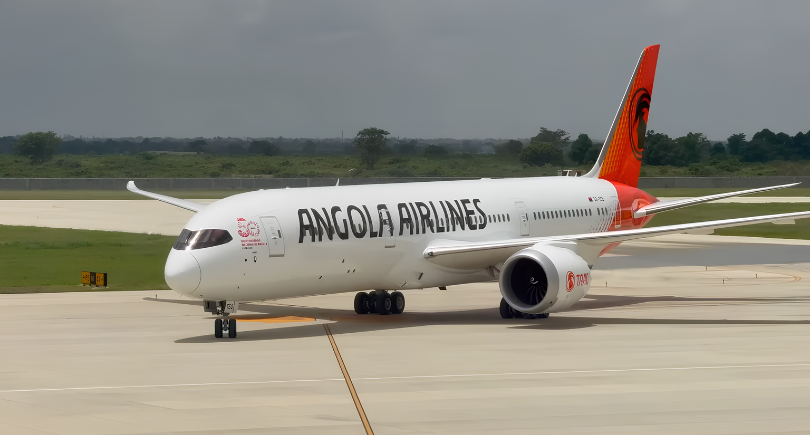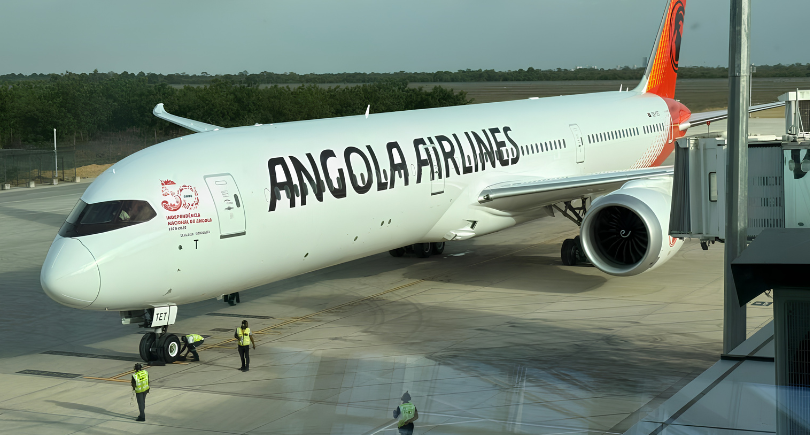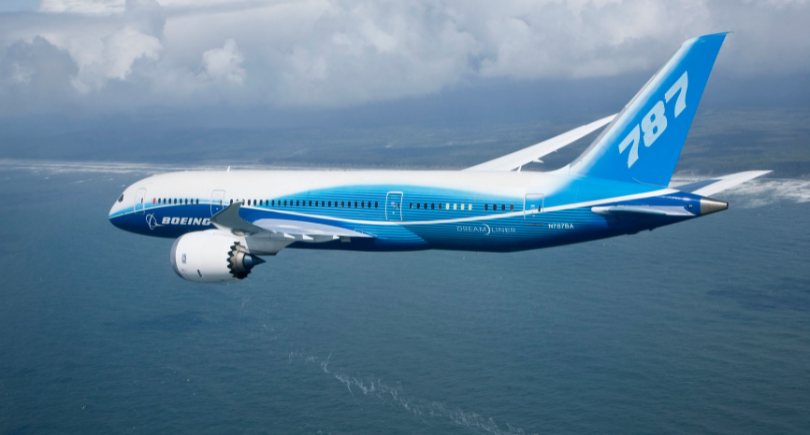

The expanding global fleet of Boeing 787 Dreamliners is creating a growing aftermarket opportunity for engine manufacturers, component repair providers and maintenance, repair and overhaul (MRO) companies. As the aircraft moves into its second decade of commercial operations, demand for engine shop visits, component replacement and scheduled maintenance is becoming an increasingly important part of the programme’s lifecycle.
Engine maintenance is expected to account for a substantial share of the aircraft’s long-term aftermarket expenditure. Industry forecasts point to rising maintenance spending for the Rolls-Royce Trent engine family, which includes the Trent 1000 used on the 787, as the global widebody fleet expands.
The two engine options on the 787, GE Aerospace’s GEnx-1B and Rolls-Royce’s Trent 1000, are also seeing continued investment in durability improvements and maintenance infrastructure.
Engine support and overhaul capacity
Rolls-Royce has introduced the Trent 1000 XE, incorporating durability enhancements intended to increase time on wing and reduce the frequency of maintenance interventions. The company has also expanded its Trent 1000 maintenance capacity through facilities in the UK, Germany and Singapore, with the aim of supporting engine overhauls and upgrades across the existing fleet.
GE Aerospace’s GEnx-1B, meanwhile, continues to serve operators worldwide, adding to the installed base requiring ongoing technical and aftermarket support.

Component support and parts availability
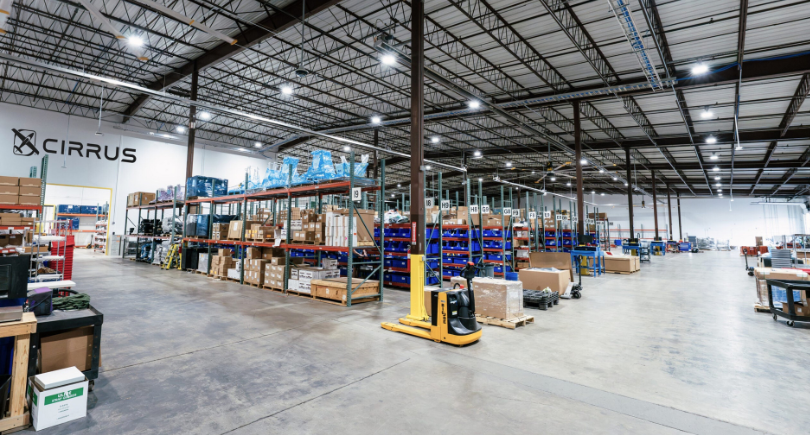
Beyond engine maintenance, airlines are securing long-term agreements to manage repairable components, spare parts and logistics for their Dreamliner fleets.
Airlines are increasingly using component support programmes to access repair services, replacement parts and logistics networks. These arrangements can help manage component availability and reduce the risk of aircraft downtime.
Such agreements reflect the role of component pools, repair networks and inventory management in supporting long-haul operations.
A maturing aftermarket
The 787 aftermarket is developing across several interconnected areas: engine shop visits and upgrades, component repair, landing gear overhaul, spare-parts availability and scheduled airframe maintenance. As the fleet ages and utilisation continues, operators will need to balance planned maintenance with aircraft availability and the cost of sustaining increasingly complex systems.
For MRO providers, the opportunity will depend not only on fleet growth but also on access to repair capabilities, spare parts, skilled technicians and engine maintenance capacity. Continued investment in these areas will shape how effectively the industry supports the Dreamliner fleet over the coming years.