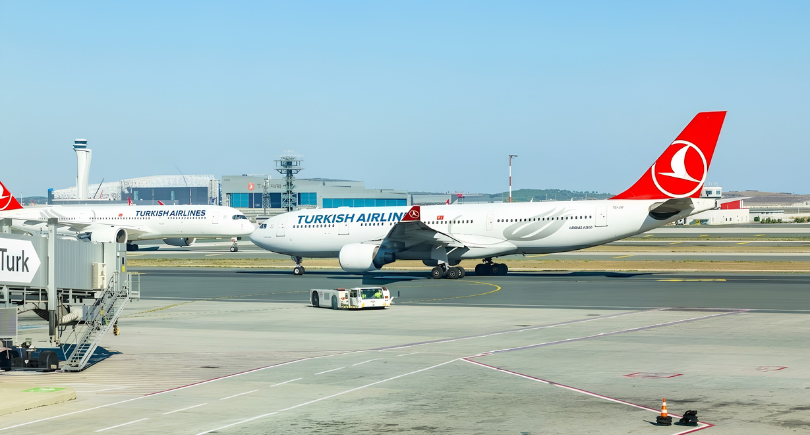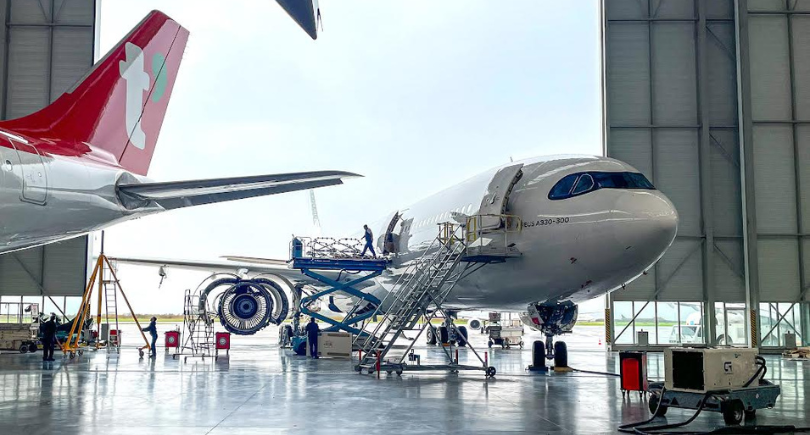

Vallair has received regulatory approval to perform base maintenance on the Airbus A330neo at its maintenance facility in Châteauroux, France, expanding its capabilities to support the growing global fleet of next-generation widebody aircraft.
The approval allows the company to undertake scheduled heavy maintenance checks, structural inspections, modifications and associated technical services for both the A330-800 and A330-900 variants.
According to Vallair, the certification marks a significant milestone in the expansion of its widebody maintenance portfolio and comes as airlines increasingly adopt the A330neo for its fuel efficiency, long-range performance and operational flexibility.
“This approval reflects our investment in technical expertise, training and infrastructure,” said Grégoire Lebigot, President and CEO of Vallair Group. “It strengthens our position as a trusted maintenance partner for airlines operating modern widebody fleets.”
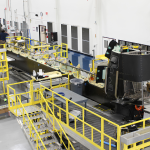
The company’s 8,500-square-metre facility in Châteauroux is dedicated to Airbus aircraft support and can accommodate up to five A321-family aircraft or a combination of A330s and A321s. The site provides a range of services including non-destructive testing (NDT), lease transitions, cabin refurbishment, layout of passenger accommodation (LOPA) modifications, aerostructure repairs, engine services, logistics, aircraft parking and storage.
Lebigot said the addition of A330neo capability would enable Vallair to support existing customers while attracting operators seeking approved maintenance capacity for the aircraft type.
The company also plans to extend training programmes at the site to include the A330neo. Through Aircraft Academy, a Vallair Group company, the organisation currently delivers structured on-the-job training for Airbus A320-family aircraft and aims to develop a pipeline of skilled engineers for widebody maintenance operations.
The latest approval further strengthens Châteauroux’s position as a key Airbus-focused maintenance hub and supports Vallair’s strategy of expanding its MRO capabilities across modern commercial aircraft platforms.