
Ukraine is seeking to build a domestic industrial ecosystem around its next-generation Western fighter fleets, with localisation of production and maintenance reportedly incorporated into its agreements for Saab Gripen and Dassault Rafale aircraft.
The move could eventually give Ukraine greater control over MRO, component production and sustainment of its future combat aircraft, while reducing reliance on overseas facilities for key maintenance activities.
Colonel Oleksandr Diakiv, aviation commander of the Ukrainian Air Force, said aircraft manufacturers supplying the country are prepared to support localisation efforts in Ukraine once security conditions permit. According to Diakiv, localisation is not simply a long-term aspiration but is already reflected in the contracts and agreements covering Ukraine’s Western fighter acquisitions.
“The major companies that are ready to supply us with aircraft are ready to localise production in Ukraine. This is stipulated in the contracts for the supply of foreign-made aircraft that we already have. And we will do this in Ukraine.”
Security is a major constraint
While Ukraine has established its intention to develop domestic fighter support capabilities, the ongoing conflict remains the biggest obstacle to moving maintenance and production infrastructure into the country.
Diakiv said establishing aircraft repair facilities in western Ukraine would currently make limited operational sense because Russian long-range strikes can still reach locations including Lviv, Uzhhorod and Chernivtsi.
For an aviation MRO ecosystem, the challenge extends beyond establishing hangars and repair facilities. Ukraine would need to develop protected infrastructure covering aircraft maintenance, component repair, spare-parts production, tooling, testing, logistics and technical training.
The eventual localisation strategy could therefore become a phased programme, beginning with selected maintenance and support activities before expanding into more complex production and component manufacturing.
Gripen creates long-term localisation opportunity
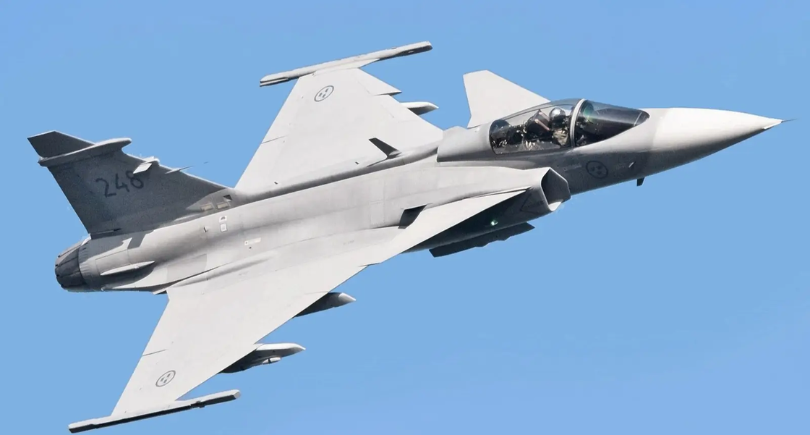
Ukraine’s planned Gripen fleet represents one of the most significant elements of its future Western fighter strategy. Sweden and Ukraine signed an agreement on 30 June 2026 covering an initial 16 Saab Gripen E fighters, with deliveries expected to begin in early 2029. Ukraine has indicated ambitions to eventually operate a fleet of approximately 100–150 Gripen E/F aircraft.
The scale of the potential fleet could create a substantial long-term requirement for local sustainment capacity. Current plans envisage Gripen localisation in Ukraine from 2033, potentially extending from the assembly of major aircraft components to the production of individual parts.
For the Ukrainian MRO sector, such localisation could represent a transition from conventional aircraft support towards a broader industrial participation model, where maintenance capability develops alongside manufacturing and supply-chain capacity.
A larger Gripen fleet would also create recurring demand for scheduled maintenance, component overhaul, repair services and spare parts over the aircraft’s operational life.
Also Read – Northrop Grumman expands Utah innovation campus to strengthen defence sustainment and aerospace capabilities
Rafale adds second western fighter ecosystem
Ukraine is simultaneously developing a relationship with France around the Dassault Rafale. France and Ukraine signed a declaration of intent in November 2025 covering the potential acquisition of up to 100 Rafale F4 multirole fighters by 2035, alongside possible technology transfer and joint production activities in Ukraine.
The programme moved forward in July 2026, when France and Ukraine agreed on an initial batch of 16 Rafale aircraft. The first aircraft are expected to be delivered during the 2028–2029 timeframe.
Ukraine has already engaged with Dassault Aviation over the potential localisation of Rafale production, adding another potential industrial stream to the country’s future aerospace ecosystem.
While the Gripen and Rafale are separate programmes, their proposed localisation could ultimately contribute to a broader Ukrainian objective: developing the domestic capabilities required to operate, maintain and progressively support sophisticated Western combat aircraft inside the country.
Aircraft procurement to industrial capability
The significance of the programmes therefore extends beyond the number of fighters Ukraine ultimately receives. Modern fighter sustainment depends on a complex network of capabilities, including airframe maintenance, engine support, avionics, components, consumables, software, diagnostics, technical data and specialised tooling.
Developing these capabilities domestically could provide Ukraine with greater control over fleet availability and potentially shorten supply chains for selected maintenance activities.
However, establishing such an ecosystem will require significant investment in infrastructure, workforce development, certification, quality systems and industrial security.
It will also require close cooperation with the original equipment manufacturers and their established supplier networks.
For Saab and Dassault Aviation, localisation in Ukraine could similarly create opportunities for developing a new industrial and support network, although the depth and timing of technology transfer will depend heavily on security considerations and the commercial and governmental arrangements surrounding each programme.
Security
Ukraine’s ambition to manufacture and maintain Western fighters domestically is therefore likely to develop in stages. In the near term, aircraft maintenance and deeper repair activities may continue to depend heavily on established facilities outside Ukraine or on dispersed and protected arrangements.
As security conditions improve, however, Ukraine could progressively introduce more domestic capabilities, moving from basic maintenance and component support towards deeper repair, overhaul, assembly and eventually selected parts manufacturing.
The country’s Gripen and Rafale programmes could consequently become more than fighter acquisition programmes. They have the potential to form the foundation of a new Ukrainian military aerospace industrial base.
For MRO, the key question will be how quickly Ukraine can translate contractual commitments for localisation into physical infrastructure, trained personnel, certified repair capability and a resilient domestic supply chain.
If security conditions eventually allow that transition, the Gripen and Rafale programmes could mark a significant shift in Ukraine’s defence aviation strategy—from operating Western-built aircraft to developing the industrial capability to sustain and progressively support them at home.