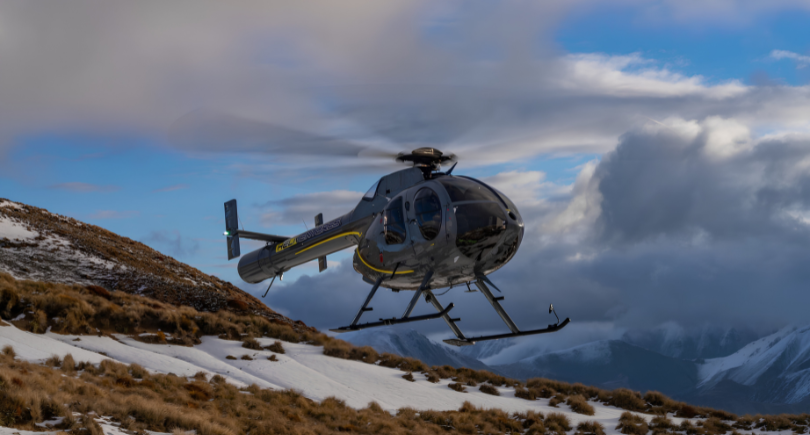

The project involved the conversion of a Heliventures MD 520N and was carried out by Mt Hutt Aviation’s engineering team at its Mid Canterbury facility. Rather than limiting the work to the propulsion system, the company stripped the aircraft for inspection and carried out a broader refurbishment covering mechanical components, avionics and the aircraft’s exterior.
The completed helicopter retains the MD 500-series airframe and the MD 520N’s NOTAR anti-torque system, while incorporating the MD 530N upgrade configuration. The work included installation of a Rolls-Royce 250-C30 engine, integration of a Garmin glass cockpit, overhaul or replacement of components as required, and a complete exterior refinish.
From engine upgrade to full aircraft reconditioning
The condition of individual components was assessed after removal, with parts either overhauled, replaced, or returned to service depending on their condition. The aircraft was subsequently rebuilt around the upgraded configuration.
This approach makes the project significant from a lifecycle-support perspective. Instead of introducing a new airframe, the conversion extends the operational use of an existing MD 520N while addressing several areas of the aircraft at the same time.
For an operator, such a programme can also consolidate multiple maintenance and modification activities into a single aircraft input. Mechanical work, engine installation, avionics integration and cosmetic refurbishment were completed as part of the same project at Mt Hutt Aviation’s facility.
The resulting aircraft retains a familiar platform for the operator while introducing changes intended to improve propulsion performance, cockpit capability and the aircraft’s overall service condition.
250-C30 engine changes maintenance profile
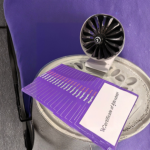
A central element of the conversion is the replacement of the MD 520N’s Rolls-Royce 250-C20R with the more powerful 250-C30.
The engine upgrade provides additional performance capability for operations in which payload, altitude and ambient temperature affect helicopter performance. These considerations are particularly relevant to commercial operators working across mountainous and variable operating environments such as New Zealand’s South Island.
The conversion also changes an important aspect of the engine maintenance schedule. According to Mt Hutt Aviation, the upgrade extends the engine compressor inspection interval from 300 hours to 2,000 hours.
The longer inspection interval can reduce the frequency of scheduled maintenance associated with compressor inspections, potentially increasing aircraft availability and reducing downtime over the aircraft’s operating cycle. Actual maintenance requirements will continue to depend on the aircraft’s operating environment, utilisation and applicable maintenance programme.
The 250-C30 engine installed as part of the project was prepared and supplied by Asia Pacific Aerospace, a Rolls-Royce-authorised MRO centre. Its involvement also links the aircraft conversion to the wider regional support infrastructure for Rolls-Royce helicopter engines.
Avionics modernisation alongside mechanical work
The project also included installation of a Garmin glass cockpit, bringing a modernised flight-deck configuration to the upgraded airframe.
For maintenance organisations, avionics integration adds another layer to an aircraft refurbishment programme. The work requires the new equipment to be incorporated into the existing electrical, instrumentation and aircraft systems architecture while ensuring the completed installation meets the applicable airworthiness and certification requirements.
Combining the avionics work with the propulsion and airframe refurbishment allowed the aircraft to undergo its major modifications during a single maintenance input rather than returning for separate upgrade events.
Returning an existing airframe to commercial service
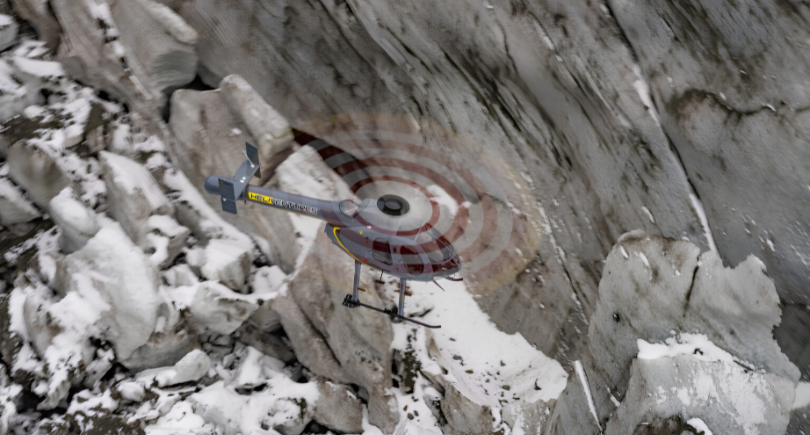
The upgraded MD 530N has entered service with Heliventures NZ, which operates across Otago, South Canterbury and the Mackenzie Country.
The operator uses its helicopters for agricultural operations, utility and powerline work, firefighting, precision lifting, surveying, hunting, scenic flights and charter services. These missions place different demands on the aircraft, ranging from external-load work and low-level operations to passenger and general commercial missions.
The MD 530N conversion therefore provides an opportunity to increase the capability of an existing aircraft without moving the operator to a completely different helicopter platform.
For operators with established MD 520N fleets, the maintenance condition of the underlying airframe, availability of replacement components, engine support and the aircraft’s remaining service life would all be relevant when assessing whether a similar conversion is appropriate.
Also Read – Airbus helicopters, Kasi healthcare partner to launch Nigeria’s first H135 HEMS service
Expanding the MD 500-series support base
Mt Hutt Aviation is an authorised MD Helicopters dealer and repairer in New Zealand and supports MD aircraft through maintenance, parts, avionics, refurbishment, painting, upgrades and conversions.
The MD 530N project demonstrates how these capabilities can be combined within a single aircraft input. The work brought together airframe inspection and reconditioning, propulsion modification, avionics installation and finishing work before the helicopter returned to its operator.
The completion of the first MD 530N upgrade in New Zealand also establishes a local pathway for MD 520N operators considering the conversion. For the wider MD 500-series fleet, the programme illustrates how upgrades and refurbishment can be used to extend the operational life of existing airframes while addressing propulsion, avionics and maintenance requirements as part of a broader lifecycle-support strategy.