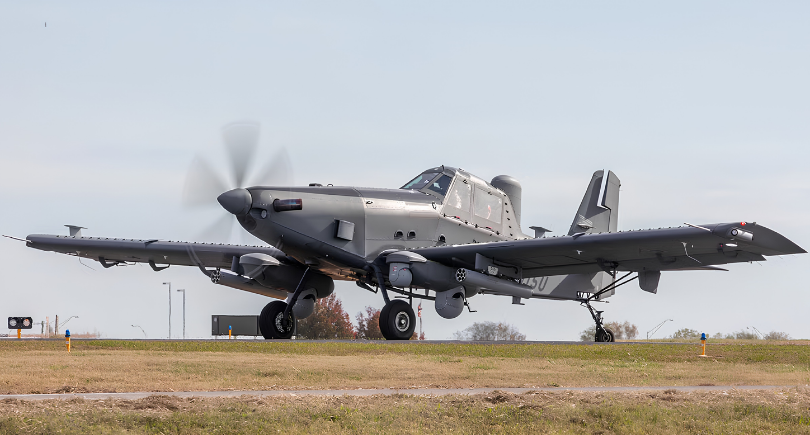

L3Harris is positioning its SKY RAIDER II INTERNATIONAL as a complementary platform for fourth- and fifth-generation fighter fleets, allowing operators to shift selected intelligence, surveillance and reconnaissance (ISR) and light-strike missions away from high-end combat aircraft.
The approach is intended to preserve fighter availability for air defence, advanced training and strike missions while reducing the number of routine and persistent missions flown by fighter aircraft.
L3Harris says the SKY RAIDER II INTERNATIONAL can perform missions where the capabilities of a fighter are not required, including persistent ISR, counter-smuggling and small-target precision strike.
Moving these missions to a dedicated platform could reduce fighter flight hours, airframe fatigue, engine and landing cycles, and avionics wear. This could help defense operators manage maintenance requirements and extend the service life of existing fighter fleets.
The company estimates that shifting routine missions from fighters could reduce operating costs by between $20,000 and $40,000 per fighter flight hour. The aircraft is also designed to operate with two mechanics, which could reduce the maintenance manpower required for deployed operations.
The SKY RAIDER II INTERNATIONAL is designed to operate from remote locations and unimproved runways. It offers up to eight hours of endurance and a 6,000-pound payload capacity across 11 hard points.
Its modular architecture allows the integration of different mission systems, including electro-optical/infrared sensors and electronic warfare equipment. L3Harris’ Green Wolf system provides electronic warfare, electronic attack, and electronic support capabilities, with up to five hours of loiter endurance and a 250-nautical-mile combat radius.
The platform can therefore be used alongside fighter aircraft rather than replacing them, providing a lower-demand option for missions that require persistent airborne presence but not the full performance of a fourth- or fifth-generation fighter.
For defense operators, the potential benefit extends to fleet sustainment. Reducing the number of routine sorties flown by high-value fighters can lower accumulated flight hours and maintenance cycles, potentially giving maintenance organisations greater flexibility in scheduling inspections, component replacement and deeper maintenance.
A mixed-fleet model could also help preserve available fighter capacity during periods of increased operational demand, while reducing unnecessary wear on aircraft intended for higher-end combat missions.
Also Read – Airbus partners with Landing Zones to advance UAS training and simulation capabilities in Canada
“Offloading routine missions from fighters to the SKY RAIDER II INTERNATIONAL can save fighter fleets between $20,000 and $40,000 per flight hour, allowing commanders to fly more while spending less,” L3Harris highlighted.
The approach gives defense operators another option for balancing operational requirements with fighter fleet readiness, maintenance demand, and long-term service-life management.