For Hawker 800 and 900 series operators, the 96-month inspection is one of the most demanding scheduled maintenance events in the aircraft’s lifecycle. With extensive disassembly and structural access required, careful planning can turn a major inspection into an opportunity to complete upgrades, refurbishment and other work within the same downtime window.
The inspection requires extensive access throughout the aircraft, including detailed examination of structural components, aircraft systems, avionics, electrical systems and flight controls. The flight controls and ventral tank are removed, while the aircraft interior is also taken out to provide access for structural inspections and other required maintenance.
The scale of the work makes sequencing particularly important. Each inspection task can affect access to other areas of the aircraft, while additional maintenance projects can be integrated when components and interior sections are already removed.
West Star Aviation supports Hawker operators through major inspections as well as avionics upgrades, modifications, interior refurbishment, exterior paint, and other maintenance requirements. Its objective is to coordinate these work scopes around the core inspection rather than treating them as separate maintenance events.
Combining inspection, NDT and upgrades during one downtime event
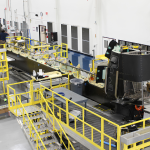
One of the important elements of the Hawker 96-month inspection is structural Non-Destructive Testing (NDT), including X-ray inspection. West Star has NDT technicians available in-house, allowing structural inspection work to be coordinated directly with the wider maintenance programme.
For operators, in-house NDT can reduce reliance on external providers and simplify scheduling between inspection, maintenance and repair teams. It can also help identify structural findings earlier in the visit, allowing any required corrective work to be incorporated into the project schedule.
The extensive aircraft access created by the inspection also provides an opportunity to address additional maintenance and upgrade requirements. Avionics modernisation can include Pro Line 21 upgrades, Cabin Management System replacement, Starlink or Gogo Galileo HDX connectivity and Garmin GI 275 standby altimeter modifications, depending on aircraft configuration and operator requirements.
Cabin refurbishment can similarly be incorporated while the interior is already removed. Wood veneer refurbishment, soft goods replacement, carpeting, seat refurbishment, and LED lighting upgrades can be completed without creating a separate major downtime event.
Exterior paint is another potential addition. Beyond improving appearance, aircraft coatings protect against corrosion, ultraviolet exposure, moisture, and environmental contaminants. West Star operates paint facilities in East Alton, Illinois; Grand Junction, Colorado; Chattanooga, Tennessee; and Perryville, Missouri, giving operators options for coordinating paint with larger maintenance programmes.

Planning the 96-month event around the aircraft’s next operating cycle
The value of combining multiple work scopes during a 96-month inspection depends heavily on preparation. Reviewing aircraft history, maintenance requirements, parts and tooling needs in advance allows the maintenance provider to develop a project sequence before the aircraft enters the facility.
For an ageing business jet, this approach can also provide an opportunity to address technical issues before they become operational disruptions. Avionics, connectivity, cabin systems and exterior protection can be evaluated alongside the core inspection, aligning maintenance expenditure with the aircraft’s expected future operation.
West Star’s Hawker support model brings maintenance, avionics, interiors, paint, modifications, NDT and project management capabilities together. This allows operators to manage multiple work scopes within a single maintenance programme while maintaining visibility of the overall return-to-service schedule.
For Hawker operators approaching the 96-month interval, the inspection is therefore more than a compliance-driven maintenance event. With sufficient lead time, it can become a broader lifecycle-management opportunity, allowing structural inspection, corrective maintenance, upgrades, and refurbishment to be coordinated around one of the aircraft’s most significant planned periods of downtime.