AJW Group is highlighting the growing importance of used serviceable material (USM) as airlines face continued pressure on spare-parts availability and maintenance costs. Aircraft and engine delivery delays are keeping older aircraft in service longer, while maintenance networks must support fleets that were expected to be replaced or retired sooner.
For operators, particularly those managing mature fleets, repaired and recertified components offer an alternative to purchasing new original equipment manufacturer (OEM) parts. When components can be economically restored and certified for reuse, they can help reduce replacement costs and extend the usable life of existing assets.
Scott Symington, chief commercial officer at AJW Group, said components that retain the highest value often represent significant investments and can be restored and redeployed across an aircraft’s lifecycle when properly maintained and certified.
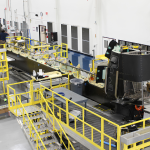
AJW Group holds approximately 450,000 inventory line items, most of which comprise reused and recertified components. Its Montreal-based AJW Technique operation provides in-house maintenance, repair and overhaul (MRO) capabilities, allowing components to be repaired and returned to service. This repair capability supports the economics of investing in USM and keeping components in circulation.
Aircraft teardown and changing parts supply
The continued operation of older aircraft is also affecting the supply of components from aircraft dismantling. As mature aircraft remain in service, fewer legacy parts may become available through traditional teardown activity, tightening supply for operators dependent on those components.
At the same time, shortages in certain parts markets are creating opportunities to recover components from younger aircraft. Symington said aircraft age alone does not determine whether teardown is commercially viable. Engine reliability, parts demand and the economics of recovering components can all influence the decision.
AJW Group is increasingly considering newer aircraft for teardown where the available material presents sufficient value. Recovered components can then enter the aftermarket, subject to the required inspection, repair and certification processes.
Also Read – GA-ASI and Fujitsu sign MoU to establish MQ-9B support capabilities in Japan

USM as part of fleet lifecycle management
The expanding role of USM reflects a wider shift in how airlines and aftermarket providers manage aircraft assets. Component reuse, repair and recertification can help operators maintain ageing fleets while managing the cost and availability of replacement parts.
The balance between keeping aircraft in service and dismantling them for parts will continue to depend on fleet economics, component demand and maintenance requirements. For the aftermarket, USM remains an important source of material as operators navigate supply constraints and extend the service lives of existing aircraft.