
Rising passenger traffic, Istanbul’s expanding role as an international hub, and growing aerospace manufacturing capabilities could reshape Türkiye’s aviation and MRO landscape through 2045.
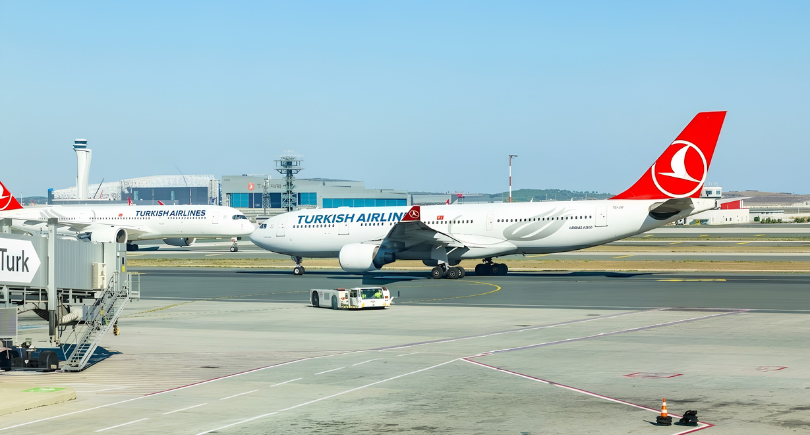
Türkiye is emerging as an increasingly important growth market for the European aviation industry, with Airbus forecasting demand for around 1,800 new passenger aircraft in the country over the next 20 years. Driven by rising passenger traffic, fleet renewal requirements and Istanbul’s growing importance as an international connecting hub, this expansion could create significant opportunities across aircraft maintenance, component support, engineering and aerospace manufacturing.
According to Airbus, Türkiye is expected to account for approximately 20% of demand for new passenger aircraft across Europe and the Commonwealth of Independent States (CIS) over the next two decades. The forecast reflects the country’s anticipated growth in air travel and the need for airlines to replace older aircraft while expanding their fleets to accommodate additional passengers.
Antonio Da Costa, Airbus Vice President for Market Analysis and Forecasting, said passenger traffic in Türkiye is expected to grow by approximately 4.5% annually over the next 20 years, compared with 2.9% for the wider Europe and CIS region. The country’s overall commercial aircraft fleet is expected to more than double during this period.
For the MRO sector, the projected expansion presents a longer-term opportunity to develop the infrastructure, technical capabilities and supply chains required to support a larger and potentially more diverse aircraft fleet.
Passenger growth to drive fleet expansion
Airbus expects the number of flights taken annually per person in Türkiye to rise from current levels to approximately 3.1 by 2045, surpassing the projected regional average of 2.4.
This increase reflects the expected expansion of air travel as tourism, international connectivity and domestic mobility develop. Türkiye’s geographical position between Europe, Asia and the Middle East has helped it establish a significant role in international aviation, with Istanbul serving as a major gateway for passengers connecting between continents.
Da Costa said the country would require approximately 1,800 new passenger aircraft over the next two decades to support fleet renewal and growth. The forecast therefore represents more than an increase in aircraft numbers: it also reflects the need for airlines to replace existing aircraft while meeting rising passenger demand.
Airbus’ latest Global Market Forecast estimates that Europe and the CIS region will require 8,190 new passenger aircraft by 2045. Of these, approximately 3,600 aircraft will be needed to accommodate market growth, while another 4,590 will be required to replace existing aircraft.
Türkiye’s projected demand places it among the important markets shaping the region’s future fleet requirements. For airlines, this will mean long-term decisions on aircraft acquisition, fleet composition, operating economics and maintenance planning.
What the aircraft boom could mean for MRO
A fleet that more than doubles over 20 years will require a corresponding expansion of maintenance planning and technical support capabilities. Although the number of aircraft ordered does not translate directly into an equivalent increase in MRO demand, a larger operating fleet generally creates additional requirements for scheduled inspections, component repairs, engine maintenance and technical services.
For Türkiye’s MRO industry, this could create opportunities to expand existing facilities, develop specialist repair capabilities and strengthen relationships with original equipment manufacturers (OEMs) and international service providers.
Fleet growth will also place greater emphasis on the availability of aircraft components, repair materials and replacement parts. As airlines seek to keep more aircraft available for service, maintenance providers will need to manage turnaround times, inventory requirements and access to specialist technical expertise.
Engine maintenance is another important area to watch. As new aircraft enter service, their engines will generate maintenance requirements over their operating lives, although the timing and scale of those requirements will depend on utilisation, operating conditions, engine type and maintenance programmes.
The opportunity extends beyond physical maintenance facilities. Digital maintenance systems, predictive maintenance, technical training and efficient supply-chain management could become increasingly important as airlines and MRO providers prepare for a larger fleet.
However, capturing this potential will require investment and planning. Aircraft demand forecasts indicate the possible scale of future activity, but the extent to which Türkiye’s domestic MRO sector benefits will depend on local capacity, workforce availability, regulatory approvals and the commercial decisions of airlines and service providers.
Istanbul strengthens its position as an international hub
Türkiye’s aviation growth is closely linked to Istanbul’s position as a major international connecting hub. Strong tourism demand and transit traffic have supported the city’s importance in connecting passengers travelling between Europe, Asia and other regions.
Da Costa said Istanbul’s role in international aviation was expected to become increasingly significant. He also pointed to changes in international travel patterns resulting from conflict in the Middle East.
According to the Airbus executive, Türkiye has benefited from some traffic being diverted away from parts of the Gulf region, bringing additional tourists and connecting passengers through the country.
These developments could provide additional support for Türkiye’s aviation market in the near term. However, traffic diversions associated with geopolitical tensions can change as airspace restrictions, airline schedules and regional security conditions evolve.
The longer-term growth outlook rests on broader factors, including passenger demand, tourism, airline network development and the country’s ability to sustain its position as a connecting point for international travel.
For the MRO sector, a growing hub can create advantages by concentrating aircraft movements and supporting demand for maintenance, technical services and component logistics. Nevertheless, additional transit traffic does not automatically translate into more local maintenance work. Airlines will continue to make maintenance decisions based on cost, aircraft availability, technical capability and operational requirements.
Airbus deepens its Turkish aerospace supply chain
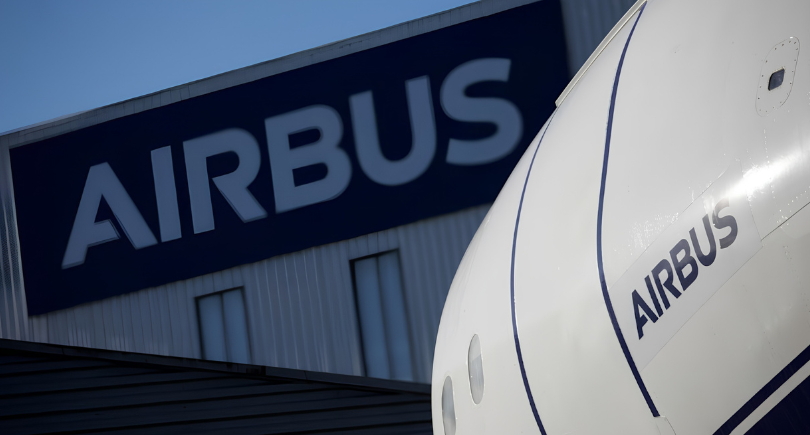
Türkiye’s aviation ambitions are also reflected in the development of its aerospace manufacturing industry. Airbus Türkiye President Simon Ward highlighted the significant change in the relationship between Airbus and Turkish suppliers over the past two decades.
Ward said Airbus’ annual spending on suppliers in Türkiye had increased from approximately $35 million when he began working in the country to around $750 million. He attributed the change to the expansion of Turkish companies’ manufacturing capabilities and their growing involvement in aircraft production.
According to Ward, Turkish aerospace businesses initially focused on producing relatively small metal components under limited offset arrangements. They have since moved into larger-scale manufacturing programmes, becoming more established participants in Airbus’ supply chain.
This development is relevant to the wider aviation aftermarket because manufacturing capability can provide a foundation for more advanced engineering, materials expertise and industrial collaboration. However, producing aircraft components and obtaining approval to manufacture or repair parts for the aftermarket are distinct activities, each subject to specific technical and regulatory requirements.
As Türkiye’s aerospace industry develops, the extent to which local companies move into additional areas of component repair, maintenance support and engineering services will be worth monitoring.
Ward expects industrial cooperation between Türkiye and Europe to deepen over the next five to six years, creating further opportunities for Turkish aerospace companies to participate in international production programmes.
HÜRJET export agreement highlights expanding industrial ties
Türkiye’s growing aerospace role is also visible in its defence and trainer-aircraft manufacturing sector.
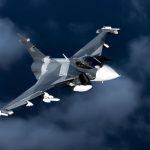
Ward highlighted the planned export of the Turkish-made HÜRJET trainer aircraft to Spain as an example of the country’s changing position in the international aerospace industry. Rather than relying exclusively on imported products, Türkiye is increasingly seeking opportunities to supply aircraft and aerospace products to international partners.
Under the reported agreement, Spain plans to acquire 30 HÜRJET aircraft developed by Turkish Aerospace Industries (TAI), with Airbus coordinating the programme. Spanish companies are expected to contribute to aircraft modifications, onboard systems and training infrastructure.
The programme illustrates how international aerospace cooperation can extend beyond aircraft procurement to include engineering, systems integration, training and industrial participation.
For the broader aerospace supply chain, such partnerships can create opportunities for manufacturers and technical service providers to participate in multinational programmes. They can also support the development of skills and engineering capabilities that may be relevant to other aerospace activities.
The HÜRJET programme is primarily a defence and trainer-aircraft development, rather than a direct indicator of commercial passenger-aircraft MRO demand. Its significance lies in the wider development of Türkiye’s aerospace industrial base and its ability to participate in international programmes.
A growing market, but execution will determine the opportunity
Airbus’ forecast points to a substantial expansion of Türkiye’s aviation market through 2045. Rising passenger traffic, fleet renewal, international connectivity and a stronger aerospace manufacturing base could create opportunities for airlines, OEMs, suppliers and maintenance providers.
For MRO businesses, the most important question is how this projected aircraft growth translates into actual maintenance activity. A larger fleet will create additional technical requirements over time, but the benefits for individual markets and service providers will depend on where aircraft are maintained, how airlines structure their support agreements and whether local facilities can offer the required capabilities at competitive costs.
Workforce development, component availability, repair capacity and investment in new technologies will be central to meeting future requirements. Stronger links between manufacturers, airlines, maintenance providers and training institutions could help the industry prepare for the next phase of growth.
Geopolitical conditions will remain another variable, particularly given Türkiye’s position between major aviation markets and its exposure to changing regional traffic patterns. While short-term diversions may provide additional traffic, sustainable growth will depend on longer-term passenger demand and the continued development of the country’s aviation infrastructure.
Türkiye’s projected requirement for 1,800 new aircraft is therefore not simply a fleet acquisition story. It signals a potential expansion of the wider aviation ecosystem, from manufacturing and engineering to maintenance and technical support. The extent to which Türkiye converts that demand into a stronger MRO industry will depend on its ability to build capacity, develop specialist skills and deepen its role in the global aerospace supply chain.