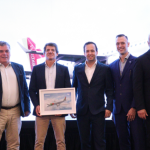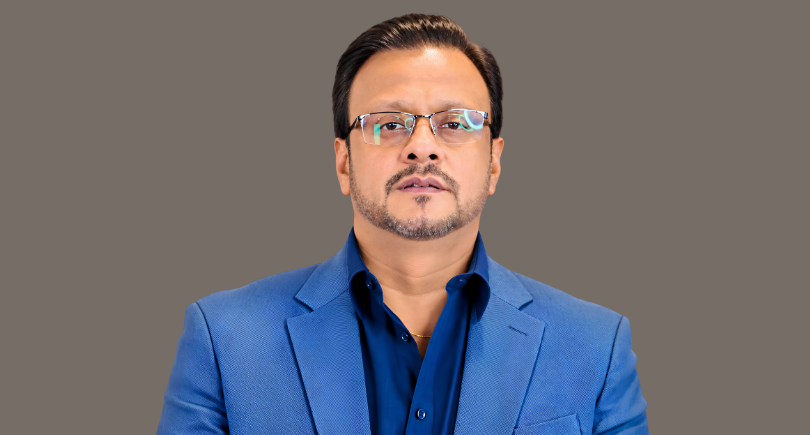

India’s expanding aviation sector is creating opportunities to develop new financing models, strengthen domestic manufacturing and build the maintenance infrastructure needed to support fleet growth. Against this backdrop, SkyPulse Solutions IFSC Private Limited is looking to establish an aviation leasing platform from GIFT City, with plans to procure up to 30 HAL-manufactured helicopters in phases.
In this exclusive interaction with MRO Business Today, Gagan Jacobs, Director, SkyPulse Solutions IFSC Private Limited, discusses the company’s proposed helicopter acquisitions, the role of GIFT City in making aircraft leasing more accessible to Indian operators, and the opportunities for domestic MRO providers, component suppliers and technical training organisations. He also outlines SkyPulse’s longer-term ambitions across helicopter leasing, small passenger aircraft and flight-training aircraft, while sharing his perspective on the collaboration needed between manufacturers, lessors, operators and MRO providers to build a sustainable aviation ecosystem in India.
Q. SkyPulse plans to procure up to 30 HAL-manufactured helicopters in phases. What are the key milestones for translating the MoU into acquisitions and operational deployments?
A. For us, the MoU with HAL is an important beginning. However, the real success will be measured by how effectively we translate that understanding into aircraft that are operational, commercially viable and serving a genuine need.
Our plan is to approach the acquisition of up to 30 helicopters in phases. The immediate priorities are to finalise the aircraft configurations, work out the commercial and financing structures, align delivery schedules and identify the right operating partners and deployment opportunities.
We also need to ensure that the supporting ecosystem is in place. This means maintenance facilities, trained pilots and engineers, spare-parts availability, regulatory approvals and appropriate financing arrangements.
I have always believed that acquiring an aircraft is only one part of the equation. The more important question is what that aircraft will do once it is delivered, who will operate it and whether the operation can sustain itself over the long term. We want to build this business responsibly, with each phase supported by actual demand and a clear operational plan. Our engagement with HAL is an opportunity to bring together Indian manufacturing, aviation financing and operational expertise to create something that delivers value well beyond the initial acquisition.
Q. How can GIFT City’s IFSC framework make helicopter leasing more commercially viable for Indian operators?
A. One of the biggest challenges in aviation is the capital required to acquire aircraft. Operators often have promising business opportunities but may find it difficult to commit substantial funds to aircraft ownership before their operations begin generating revenue.
Leasing can help bridge that gap by allowing operators to access aircraft without having to finance the entire acquisition themselves.
I believe GIFT City has the potential to play a significant role in addressing this challenge. Through SkyPulse Solutions IFSC Private Limited, our objective is to develop a leasing platform that connects aircraft ownership, international financing and the operational requirements of the Indian aviation market. The opportunity is not simply about making aircraft available. It is about developing financing and leasing structures that are commercially sensible for both the asset owner and the operator.
Of course, the economics must work. Financing costs, insurance, maintenance, utilisation, regulatory compliance and the residual value of the aircraft all have to be considered.
If we can bring these elements together within an appropriate regulatory framework, GIFT City can become an important platform for aviation leasing and asset management, supporting India’s growing demand for helicopters and other categories of aircraft.
My belief is that India should not only be a major market for aviation but should also develop the financial infrastructure to participate more actively in the ownership, financing and management of aviation assets.
Q. What opportunities could the proposed fleet create for India’s MRO providers, component suppliers and spare-parts ecosystem?
A. I see the proposed fleet as an opportunity to create value across the entire aviation ecosystem, not just through the aircraft themselves. Every helicopter that enters service creates a continuing requirement for maintenance, inspections, components, spare parts, technical support and lifecycle management. As the fleet grows, these requirements can support a more predictable business pipeline for Indian MRO providers and component suppliers.
One of the areas I would particularly like to see develop is greater domestic capability in component repair, specialised maintenance, technical training and spare-parts support.
Aircraft downtime can be expensive for both the operator and the lessor. Reliable maintenance support and timely access to components are therefore not merely technical considerations; they directly influence the commercial viability of the aircraft.
I also believe there is considerable value in building long-term relationships between manufacturers, lessors, operators and independent MRO providers. When maintenance planning and technical support are considered at the acquisition stage, rather than after a problem arises, the entire operation becomes more predictable.
Our objective is to contribute to an ecosystem in which Indian companies can develop the expertise, infrastructure and scale required to support a growing fleet.
Ultimately, the benefits should extend beyond aircraft procurement to skilled employment, technical knowledge, industrial investment and the development of a stronger domestic aviation-support industry.
Q. Which sectors—HEMS, tourism, infrastructure or disaster response—offer the strongest near-term demand for leased helicopters?
A. I see opportunities in all four sectors, although the business models and demand drivers are different.
Healthcare Emergency Medical Services, or HEMS, is particularly important to me because it addresses a genuine public need. In a country as large and geographically diverse as India, timely access to medical care can make an enormous difference. Helicopters can help connect remote communities with hospitals, support patient transfers and assist in medical emergencies.
Tourism is another promising area, particularly in destinations where road access is difficult or travel times are long. Helicopters can provide a practical transportation option while creating new opportunities for tourism operators and local economies.
Infrastructure development also generates demand for specialised aviation services. Projects in energy, power and other remote locations often require transportation and operational support that conventional road transport cannot always provide efficiently.
Disaster response is equally important. Helicopters can support rescue operations, evacuations, emergency logistics and access to areas affected by floods, landslides or other disruptions.
From a commercial perspective, each of these sectors needs to be assessed carefully. Some opportunities may depend on government contracts, others on private demand, and some on partnerships between public authorities and private operators.
Our approach is to identify where there is a genuine requirement, a credible operating partner and a sustainable business case. We want our aircraft to be deployed where they provide a meaningful operational advantage, rather than simply adding capacity to the market.
Q. How will SkyPulse manage maintenance costs, aircraft utilisation and residual value to ensure the long-term commercial viability of its helicopter assets?
A. For us, the acquisition price is only the beginning of the investment decision. The real challenge is managing the aircraft throughout its operating life. We look at the total cost of ownership, including financing, insurance, maintenance, engine and component support, regulatory compliance and the eventual residual value of the aircraft.
Utilisation is particularly important. An aircraft that spends too much time on the ground is not generating revenue, but pushing utilisation without proper maintenance planning can create operational and financial risks. There has to be a balance between commercial performance, maintenance requirements and safety.
Our approach is to work closely with operators and maintenance providers to establish realistic utilisation assumptions, preventive maintenance programmes and reliable spare-parts support. Wherever commercially appropriate, structured maintenance agreements can also help improve cost visibility.
Residual value must be considered from the outset. The aircraft type, configuration, maintenance history, availability of technical support and future market demand all influence the value of an asset when it is eventually sold or redeployed.
We also need to be disciplined about matching the aircraft to the mission. An aircraft that is well suited to its intended operation, and supported by a practical maintenance and financing structure, is more likely to deliver sustainable returns. Ultimately, our philosophy is simple: sound asset selection, realistic financial assumptions and disciplined lifecycle management are essential to building a successful aviation leasing business.
Q. What are the biggest gaps in India’s civil helicopter maintenance, technical training and lifecycle-support infrastructure today?
A. India has considerable engineering talent and aviation expertise. I believe the opportunity now is to strengthen the depth and accessibility of the infrastructure needed to support a larger civil helicopter fleet. One important area is specialised maintenance capability. Operators need dependable access to qualified engineers, appropriate tooling, components and technical support. Where these resources are difficult to access, aircraft downtime can increase and operating costs can become unpredictable.
The second area is training. As the industry expands, we will need more qualified pilots, maintenance engineers and technical personnel who understand both the aircraft and the operational environments in which they work.
The third area is lifecycle support. Aviation cannot be approached as a series of individual maintenance events. It requires a structured system for inspections, component replacement, technical records, continuing airworthiness, inventory planning and long-term asset preservation.
I would also emphasise the importance of developing infrastructure in line with actual demand. Investment in maintenance facilities, training capabilities and spare-parts inventory needs to be commercially justified and supported by the projected fleet and its operating requirements.
I believe manufacturers, MRO providers, training institutions, lessors and operators need to work more closely together. If these stakeholders plan collectively, India can develop a stronger support system that reduces unnecessary downtime and makes helicopter operations more dependable. For me, the objective is not just to put more aircraft into service. It is to ensure that the country has the technical capability and skilled workforce to support those aircraft throughout their operating lives.
Q. How do you see HAL, lessors, operators and independent MRO providers collaborating to build a sustainable domestic helicopter ecosystem?
A. I believe every stakeholder brings something important to the table. HAL brings manufacturing capability and valuable Indian aerospace expertise. Lessors can help mobilise capital and make aircraft more accessible to operators. Operators understand the actual market demand and the day-to-day realities of running an aviation business. MRO providers ensure that aircraft remain safe, serviceable and operationally reliable.
The real opportunity is to bring these capabilities together from the beginning.
For example, fleet planning should take into account the availability of maintenance support and spare parts. Financing structures should reflect the operating economics of the intended mission. Manufacturers and service providers should understand the support requirements of the fleet, while operators should have clarity on the long-term costs of keeping their aircraft operational. I would also like to see greater collaboration in technical training, component support and the development of domestic maintenance capabilities, wherever commercially and technically feasible.
Our proposed engagement with HAL reflects our belief that long-term partnerships can create much greater value than isolated procurement decisions. If manufacturers, financiers, operators and MRO providers work towards a shared objective, we can build an ecosystem that supports the growth of Indian aviation while creating opportunities for domestic industry.
For me, this is ultimately about building a sustainable aviation business in which the benefits extend to the manufacturer, the operator, the service provider and the wider economy.
Q. Looking ahead five years, what are SkyPulse’s key growth ambitions, and could its GIFT City-based leasing model eventually support international markets?
A. Our ambition is to build a diversified aviation leasing platform from GIFT City, with a target portfolio of 100 helicopters, 50 small passenger aircraft with seating capacities of 20 passengers or fewer, and 100 training aircraft over the coming years. We have an ambitious vision, but we also recognise that growth must be built on sound commercial foundations. Our objective is to develop the portfolio in phases, supported by appropriate financing, credible operating partners and a strong maintenance and technical-support ecosystem.
The helicopter portfolio will include both single-engine and twin-engine helicopters, allowing us to serve a broad range of applications, including emergency medical services, infrastructure development, tourism, disaster response and other specialised operations.
Our proposed engagement with HAL, including the planned acquisition of up to 30 helicopters in phases, is an important step towards that larger ambition.
The next phase of our growth will focus on small passenger aircraft with a capacity of 20 seats or fewer. In light of the latest developments under the Regional Connectivity Scheme, we see an opportunity to support India’s regional aviation ambitions by making appropriately sized aircraft available to operators through commercially viable leasing structures.
These aircraft can help connect smaller cities, remote destinations and underserved routes where larger aircraft may not be economically suitable. We want to explore how the right aircraft, combined with a sensible leasing model and capable operating partners, can help make regional connectivity more practical and sustainable.
We also intend to develop a portfolio of 100 training aircraft, including single-engine and twin-engine models, to support the growing requirements of flight training organisations. As India’s aviation sector expands, the availability of trained pilots and technical professionals will become increasingly important. We see an opportunity to support this growth by helping training organisations access appropriate aircraft.
What excites me about this vision is that the three portfolios complement one another. Helicopters can serve specialised missions and remote-access requirements, small passenger aircraft can support regional connectivity, and training aircraft can help develop the skilled workforce needed by the industry.
Looking internationally, I believe the GIFT City model could eventually support operators and aviation businesses in other emerging markets. Many countries face similar challenges in accessing aircraft, financing and lifecycle support. A well-structured leasing platform could help address those requirements, subject to the relevant regulatory frameworks and commercial viability.
My vision is to see SkyPulse grow into a significant aviation leasing platform originating from India, bringing together helicopters, small passenger aircraft and training aircraft under one broader business strategy. For me, this is about more than acquiring aircraft. It is about helping build the financial, operational and technical infrastructure that allows aviation to reach more people, connect more destinations and create lasting value for India’s aviation industry.
If we can bring together Indian manufacturing, international financing, capable operators and a strong MRO ecosystem, I believe we can make a meaningful contribution to the next phase of India’s aviation growth and, over time, establish a platform that can serve international markets as well.