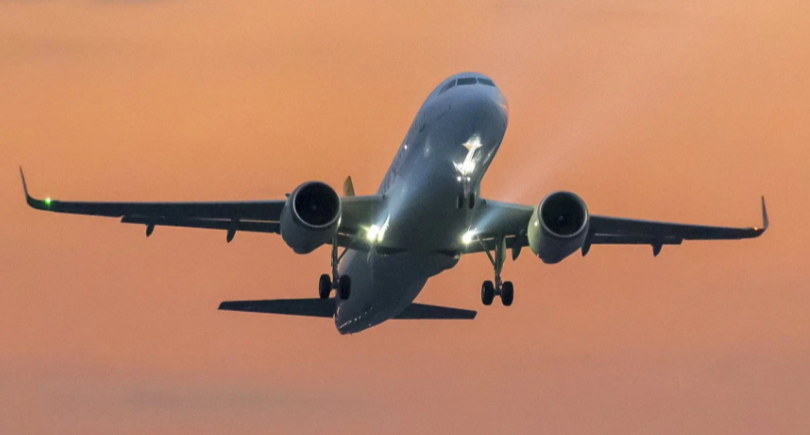

Pegasus Airlines and CFM International are marking a decade of LEAP-1A operations, reflecting on early engine durability and availability challenges, maintenance improvements and the importance of expanding MRO capacity to support the growing fleet.
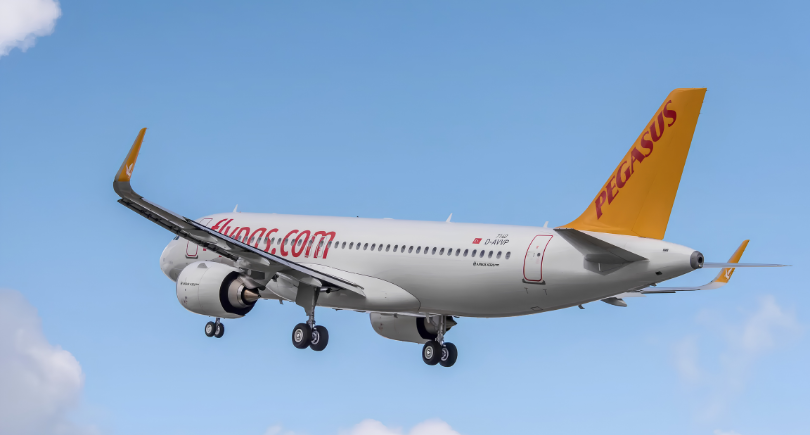
On 2 August 2016, Pegasus operated the first commercial passenger flight powered by CFM LEAP-1A engines, flying an Airbus A320neo from Istanbul to Antalya, Türkiye. Since then, the airline has expanded its fleet from 82 aircraft serving 101 destinations in 2016 to nearly 130 aircraft operating across 160 destinations in 2026.
The LEAP-1A has played a central role in Pegasus’ transition to a new-generation narrowbody fleet. However, the first decade of operations has also highlighted the maintenance and support challenges associated with introducing a new engine programme at scale.
Tamer Yüzüak, Pegasus Group Director of Finance and Fleet Management, said the engines had delivered the fuel savings and emissions reductions targeted at the outset, supporting network expansion and lower operating costs.
He also highlighted early challenges involving engine durability, maintenance capacity and availability, noting that continued improvements in time on wing and engine availability remain essential to realising the fleet’s full potential.
Hardware improvements target durability and maintenance burden
CFM has continued to incorporate operator feedback into engine hardware improvements and its wider support network. According to the company, 40% of the LEAP-1A fleet is now equipped with a high-pressure turbine (HPT) durability kit designed to extend time on wing, while 70% is operating with a reverse bleed system (RBS) intended to reduce airline maintenance requirements.
These modifications form part of broader efforts to improve engine durability and reduce the maintenance burden as the global LEAP fleet grows. For operators, longer time on wing can help reduce the frequency of shop visits, while improved engine availability supports fleet utilisation and operational planning.
Yüzüak acknowledged CFM’s efforts to address the challenges through hardware improvements, increased repair capabilities and closer collaboration with operators. The experience illustrates the importance of feedback from early operators in refining engine technology and developing the maintenance infrastructure required for sustained operations.
Gaël Méheust, President and CEO of CFM International, said the company was focused on improving engine availability through MRO performance and competitive ownership costs, supported by expanding aftermarket competition, capacity and capabilities.
Expanding MRO capacity for a growing LEAP fleet
CFM has delivered more than 10,000 LEAP engines to over 150 operators worldwide. The engine family, which includes the LEAP-1A for the Airbus A320neo family and the LEAP-1B for the Boeing 737 MAX, has accumulated more than 100 million flight hours.
As the installed fleet expands, the availability of repair capabilities, shop capacity and qualified maintenance providers will remain important to managing engine turnaround times and supporting operators’ maintenance requirements. CFM’s open MRO ecosystem is intended to broaden aftermarket capacity and competition as more engines enter service and require maintenance.
The next phase of Pegasus’ relationship with CFM will include the LEAP-1B. In December 2025, the airline agreed to acquire up to 300 LEAP-1B engines for its future Boeing 737 MAX 10 fleet, adding another engine variant to its operations.
Also Read – Embraer’s 175 aircraft deliveries expand future aftermarket support base
Pegasus expects continued improvements in reliability, durability and maintenance efficiency as it introduces the LEAP-1B alongside its existing LEAP-1A fleet.
The first decade of LEAP operations highlights how engine performance, hardware development and aftermarket capacity evolve together. For Pegasus and CFM, sustaining the next phase of fleet growth will depend not only on the technology itself, but also on continued progress in time on wing, repair capability, and engine availability.