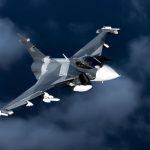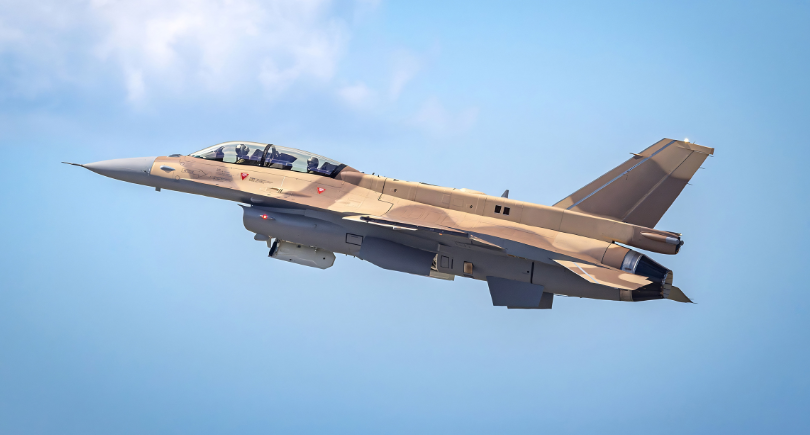

Morocco’s first F-16 Block 72 has completed its maiden flight, advancing the country’s plan to build local maintenance and modernisation capabilities for the fighter fleet.
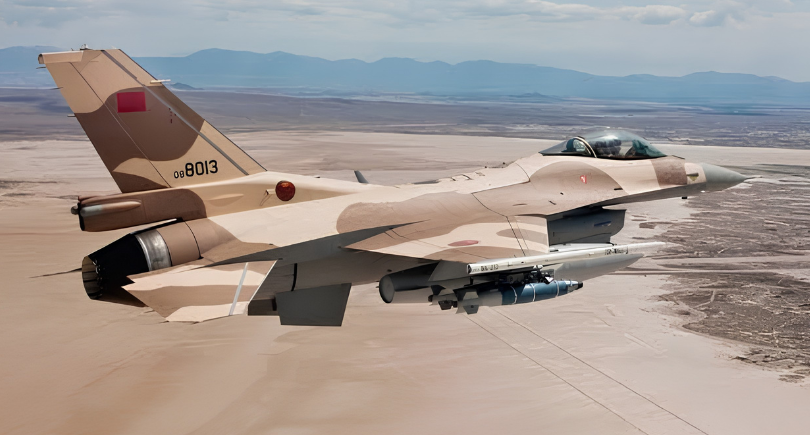
Lockheed Martin has announced the successful first flight of the Royal Moroccan Air Force’s first F-16 Block 72, marking the start of flight testing ahead of delivery. The aircraft is the latest version of the Fighting Falcon, incorporating upgraded avionics, sensors, mission systems and safety features.
While the flight-test milestone moves Morocco’s F-16 Block 72 programme forward, the acquisition also has longer-term implications for the country’s military aviation sustainment infrastructure. As Morocco introduces the upgraded variant, its maintenance organisation will need to support a more advanced avionics and mission-system configuration alongside the existing F-16 fleet.
Benslimane facility could expand into F-16 support
Lockheed Martin is supporting Morocco’s development of local technical capabilities through partnerships including Maintenance Aero Maroc. A new MRO facility at Benslimane, covering more than 8,000 square metres, is being developed to provide heavy maintenance and modernisation support for C-130 Hercules aircraft.
The facility is also planned for expansion to additional platforms, including the F-16. This could eventually give Morocco a domestic capability for deeper maintenance and modernisation of its fighter fleet, reducing reliance on overseas facilities for selected maintenance activities.
For the F-16 Block 72 fleet, local support could encompass airframe maintenance, avionics work, mission-system support, component replacement, inspections and aircraft modernisation. Developing these capabilities alongside the arrival of the new aircraft would also allow Moroccan technicians to build experience with the Block 72 configuration as the fleet enters service.
The planned expansion is part of Morocco’s wider ambition to establish itself as a regional aircraft MRO hub. The Benslimane facility could therefore evolve from supporting the country’s Hercules fleet into a broader military MRO centre covering multiple Lockheed Martin platforms.
New fighter fleet creates long-term sustainment demand
The Block 72 introduces additional technical requirements compared with earlier F-16 configurations, particularly around its modernised avionics, sensors and mission systems. Maintaining these systems will require appropriate diagnostic equipment, technical training, specialist tooling, spare parts and maintenance documentation.
Lockheed Martin’s relationship with Morocco dates back more than five decades, beginning with delivery of the first C-130H in 1974. The Royal Moroccan Armed Forces now operate a range of Lockheed Martin platforms and systems, providing an established base of technical knowledge that can support the expansion of local sustainment capabilities.
Mike Shoemaker, vice president and general manager of Lockheed Martin’s Integrated Fighter Group, said the first flight represents progress toward strengthening Morocco’s future airpower.
Also Read – Hical Technologies, Safran Aerosystems sign MoU to explore Rafale Systems JV in India
“This first flight reflects meaningful progress on Morocco’s F-16 Block 72 program and is a critical step in strengthening Morocco’s future airpower,” said Shoemaker. “The F-16 remains a vital component of today’s and future air defence, and we’re proud of the role it will continue to play in supporting Morocco’s sovereignty and contributing to regional stability for decades to come.”
As the first Block 72 progresses through flight testing toward delivery, Morocco is therefore developing not only a new fighter capability but also the industrial and technical infrastructure required to sustain it. The planned expansion of Benslimane into F-16 support could become an important element of that lifecycle strategy and Morocco’s broader ambitions in regional military MRO.