
Saudi low-cost carrier expands its Airbus fleet to 68 aircraft as it continues to grow its network and modernise its passenger offering
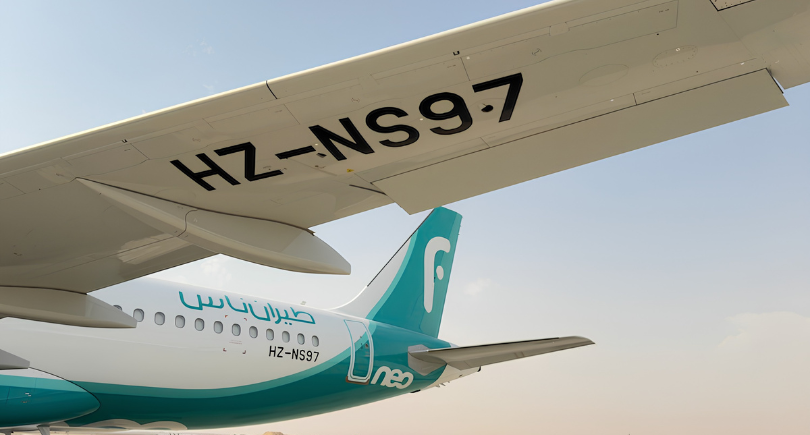
flynas has taken delivery of a new Airbus A320neo, further expanding its modern narrowbody fleet as the airline continues to grow its network and strengthen its operations. With the latest aircraft, flynas’ Airbus fleet has reached 68 aircraft, comprising 62 A320neos, two A330 widebodies and four A320ceos.
The latest A320neo features a newly designed cabin developed in collaboration with Safran, with a focus on improving passenger comfort and functionality. The cabin is equipped with upgraded seats featuring dedicated holders for smartphones and tablets, alongside USB-A and USB-C power outlets.
Other cabin enhancements include larger tray tables, magazine storage and coat hooks. Passengers travelling in Premium Class receive additional legroom, adjustable headrests and dividers between the middle seats.
Beyond the cabin upgrades, the A320neo also brings improved operational efficiency through its enhanced fuel performance. The aircraft is expected to deliver lower fuel consumption and reduced emissions per seat compared with previous-generation aircraft, supporting flynas’ efforts to improve fleet efficiency as it expands.
The delivery comes as flynas continues to execute its broader growth strategy aimed at strengthening connectivity between Saudi Arabia and international markets.
In July, the airline placed a firm order for 25 additional Airbus aircraft, taking its total firm aircraft commitments to 235 aircraft. With a further 45 options, the carrier could eventually expand its fleet to as many as 280 aircraft.
Also Read – Mammoth Freighters delivers first 777-200LRMF to Jetran
The continued introduction of A320neo aircraft will provide flynas with additional capacity while maintaining a common and increasingly modern Airbus fleet. The fleet expansion is also expected to support the airline’s growing route network and its plans to increase connectivity to and from the Kingdom.
For the MRO sector, the rapid growth of flynas’ A320neo fleet will also increase the airline’s future requirements for airframe maintenance, engine support, component services, spare parts and technical workforce capacity, particularly as the carrier moves towards a substantially larger fleet.