
The acquisition of 10 Boeing 787-10 Dreamliners, with options for six more, marks a significant shift in Malaysia Aviation Group’s long-term fleet strategy. As the airline prepares to replace its existing Airbus A350 fleet between 2032 and 2035, the transition will bring new requirements for maintenance capabilities, engine support, technical training and supply chain readiness across its operations.
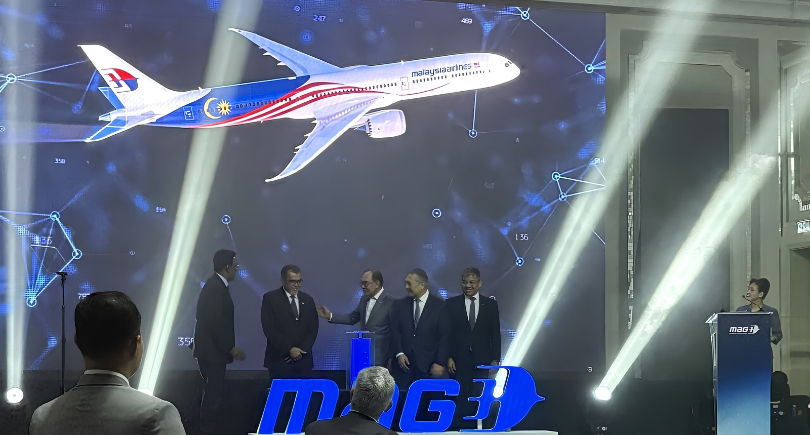
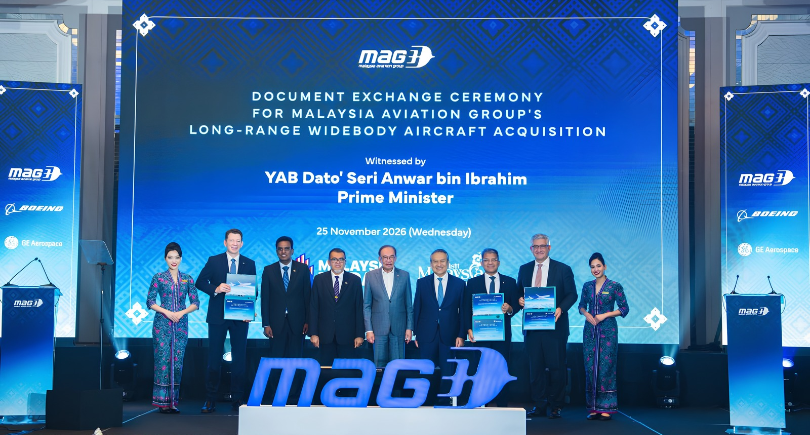
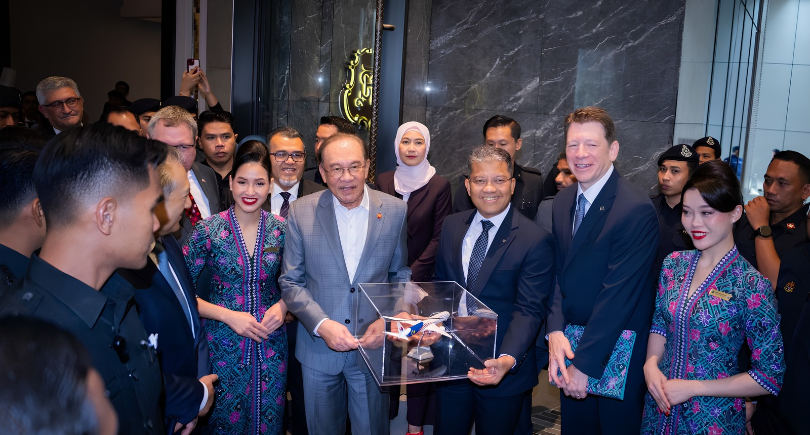
Malaysia Aviation Group (MAG), the parent company of Malaysia Airlines is all set to acquire 10 Boeing 787-10 Dreamliner aircraft directly from Boeing, with options for an additional six, as part of its long-term fleet modernisation programme. The aircraft, powered by GE Aerospace GEnx-1B engines, are scheduled for delivery between 2032 and 2035.
The announcement marks a new chapter in Malaysia Airlines’ widebody fleet strategy, with the carrier set to become the first Malaysian airline to operate the 787-10 variant. More significantly, the acquisition will support the gradual replacement of MAG’s existing seven Airbus A350 aircraft, which are also expected to be phased out between 2032 and 2035.
For the MRO industry, the announcement is relevant beyond the addition of a new aircraft type. It signals a planned transition in MAG’s long-haul fleet, bringing implications for maintenance planning, engineering capabilities, engine support and the management of a changing technical supply chain over the coming decade.
Widebody fleet planning
MAG’s selection of the Boeing 787-10 reflects its focus on capacity, operational flexibility and efficiency as it prepares for the next phase of international growth. The aircraft will feature a three-class configuration with 319 seats and is expected to support the deployment of larger-gauge aircraft on selected long-haul routes.
The airline has identified key markets across Europe and Asia-Pacific, including London, Paris, Sydney, Melbourne, Tokyo, Osaka and Seoul, as potential destinations for the aircraft, subject to future network planning and operational requirements.
The timing of the acquisition is particularly significant. With deliveries scheduled over a three-year period, MAG has a substantial preparation window to plan the transition from its existing Airbus A350 fleet to the Boeing 787-10.
The move also introduces a new widebody platform into Malaysia Airlines’ operations. While the group already operates Boeing narrowbody aircraft, the introduction of the 787-10 will require dedicated widebody technical capabilities, maintenance arrangements and operational support infrastructure.
For an airline undertaking a fleet transition of this scale, the challenge will be to align aircraft induction schedules with maintenance capacity, engineering resources, spare parts availability and long-term service support.
New aircraft platform
The introduction of the 787-10 will require MAG to prepare for a different maintenance ecosystem as it moves away from its existing A350 platform.
Aircraft maintenance planning will need to account for the 787’s specific airframe systems, component requirements, maintenance documentation, tooling and technical procedures. The airline will also need to develop the necessary engineering competencies and ensure that its maintenance personnel are appropriately trained and qualified to support the new aircraft.
The transition will involve decisions on the extent of maintenance work to be undertaken in-house and the level of support sourced through OEMs, authorised maintenance providers and third-party MRO companies.
Component repair arrangements, rotable availability, inventory management and access to technical support will be important considerations as the fleet enters service. Establishing these arrangements ahead of the first aircraft deliveries will be essential to ensuring operational readiness.
The transition also presents a planning challenge because MAG will need to manage the eventual retirement of its seven A350s while preparing the 787-10 fleet for induction. Coordinating maintenance resources, technical personnel and spare parts across the outgoing and incoming platforms will require careful long-term planning.
Rather than treating the aircraft acquisition as an isolated procurement decision, the group will need to approach it as a broader engineering and maintenance transformation.
GEnx-1B engines
The selection of GE Aerospace‘s GEnx-1B engine brings another important dimension to the programme.
Engine maintenance and support will be central to the 787-10’s long-term operating economics. As the aircraft enter service, MAG will need to establish appropriate arrangements covering engine monitoring, maintenance planning, shop visits, spare engine availability and component support.
The GEnx family has an established presence in the widebody market, but the induction of the GEnx-1B will still require the airline to align its engine maintenance strategy with the specific requirements of the selected configuration.
MAG’s existing relationship with GE Aerospace could provide a foundation for this transition. Alongside the aircraft announcement, the group confirmed that it had renewed its agreement for GE Aerospace’s Fuel Insight and FlightPulse solutions. The digital tools support fuel management and operational efficiency through data-driven insights.
The continuation of this relationship highlights the growing importance of combining aircraft and engine performance data with operational decision-making. For airlines, digital monitoring and performance analysis can support more informed maintenance planning, fuel efficiency initiatives and fleet management.
However, the long-term value of these capabilities will depend on how effectively operational data is integrated into maintenance and engineering processes.
Supply chain
The 2032–2035 delivery window gives MAG time to prepare its maintenance and supply chain ecosystem before the new aircraft enter commercial service.
For suppliers and MRO providers across Asia-Pacific, the programme represents a potential long-term opportunity to engage with the airline’s changing support requirements. These could include component maintenance, repair services, spare parts distribution, technical training, tooling and engineering support.
The transition will also underline the importance of supply chain resilience. Widebody maintenance operations depend on the timely availability of components and materials, supported by efficient logistics networks and reliable repair turnaround times.
As MAG develops its 787-10 support strategy, its decisions on sourcing, maintenance partnerships and inventory management could shape the opportunities available to regional MRO providers.
Malaysia’s existing aerospace and maintenance ecosystem provides a relevant backdrop. The country has been working to strengthen its position as an aviation maintenance and engineering hub, with international engine and component service providers continuing to develop their regional capabilities.
The arrival of a new generation of widebody aircraft at Malaysia Airlines could create further opportunities for technical capability development, although the extent of local MRO participation will depend on the group’s eventual maintenance and support arrangements.
Long-Term engineering readiness
MAG’s latest acquisition should also be viewed in the context of its wider fleet strategy. The group has been progressing its Boeing 737 fleet renewal programme, with an existing order book of 55 aircraft comprising 43 737-8s and 12 737-10s through direct Boeing orders and leasing arrangements. The remaining aircraft are expected to be delivered by 2030.
The addition of the 787-10 programme extends this modernisation effort into the long-haul segment.
For the MRO sector, the broader message is that fleet renewal involves much more than introducing newer and more fuel-efficient aircraft. It requires parallel investment in engineering skills, maintenance infrastructure, digital capabilities, technical documentation, component support and supply chain readiness.
The gradual replacement of MAG’s A350 fleet also makes the transition particularly important from a maintenance planning perspective. As the existing aircraft approach retirement, the group will need to balance continued airworthiness and maintenance requirements for the outgoing fleet with the preparations needed to support the incoming Boeing platform.
The decision to introduce the 787-10 therefore represents not just a change in aircraft manufacturer, but a long-term shift in the technical and operational requirements of Malaysia Airlines‘ widebody operations.
With more than five years before the first scheduled deliveries, MAG has an opportunity to establish its support ecosystem well ahead of entry into service. How effectively the group uses this lead time will be an important factor in determining the operational and maintenance performance of its next-generation widebody fleet.