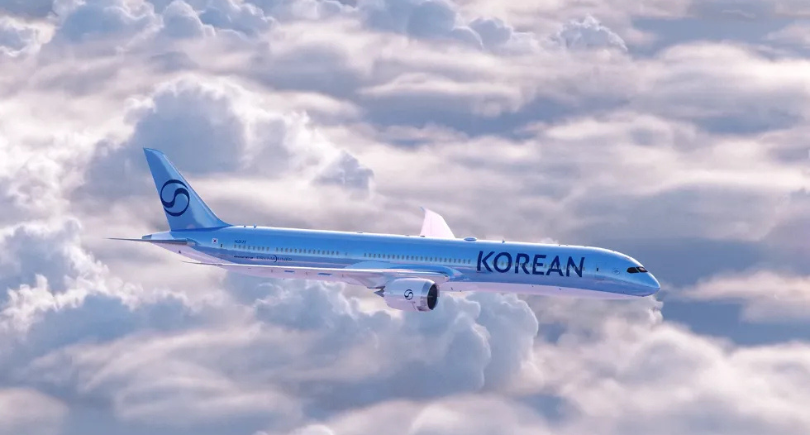

Korean Air has achieved a significant production milestone, announcing that cumulative deliveries of “Sharklet” wing components for the Airbus A320 family have reached 5,000 units. The announcement, made on April 24, underscores the airline’s growing stature as a reliable Tier-1 supplier in the global aerostructures’ ecosystem, supported by over a decade of consistent output since production began in 2012.
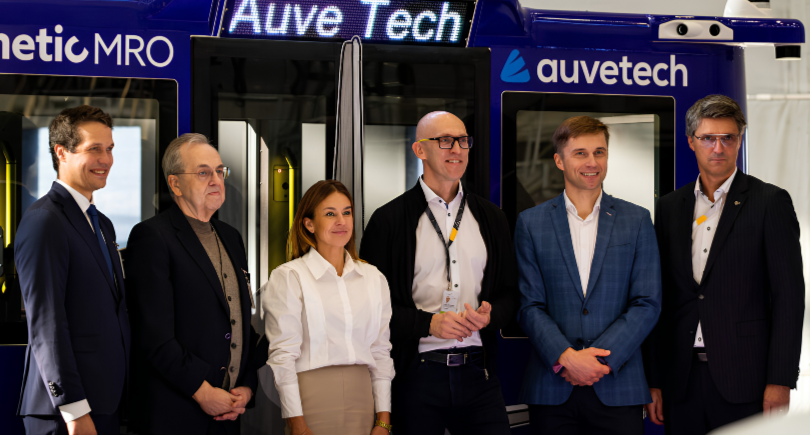
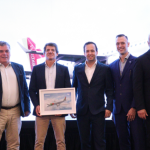
To commemorate the achievement, Korean Air hosted a formal ceremony at its Tech Center in Busan, attended by senior leadership including Yoo Jong-seok, Vice President of Korean Air, and Benoît Schultz, Chief Procurement Officer at Airbus. The event brought together key stakeholders from across the supply chain, reflecting the collaborative nature of large-scale aerostructure manufacturing. Attendees toured the facility’s aircraft structure production and maintenance lines, gaining insight into Korean Air’s integrated manufacturing capabilities.
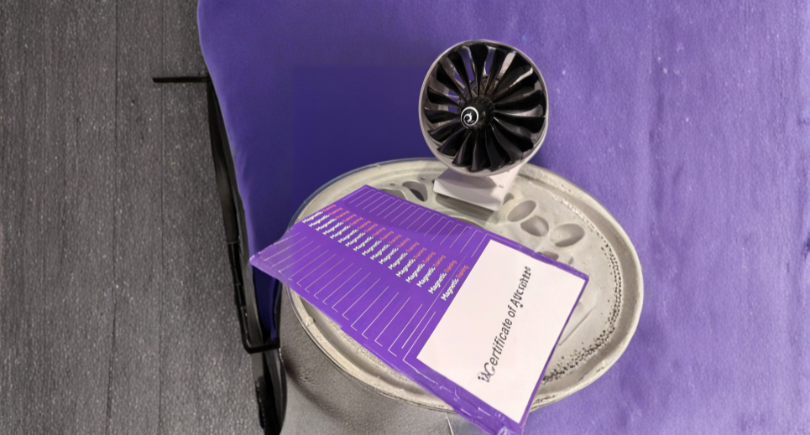
As part of the celebrations, Korean Air presented commemorative tokens to 15 partner companies, including Airbus, acknowledging their role in sustaining production continuity and quality benchmarks. In parallel, employees who contributed to process innovation and operational efficiency were recognised through an internal awards ceremony, highlighting the company’s focus on continuous improvement and workforce excellence as drivers of long-term competitiveness.
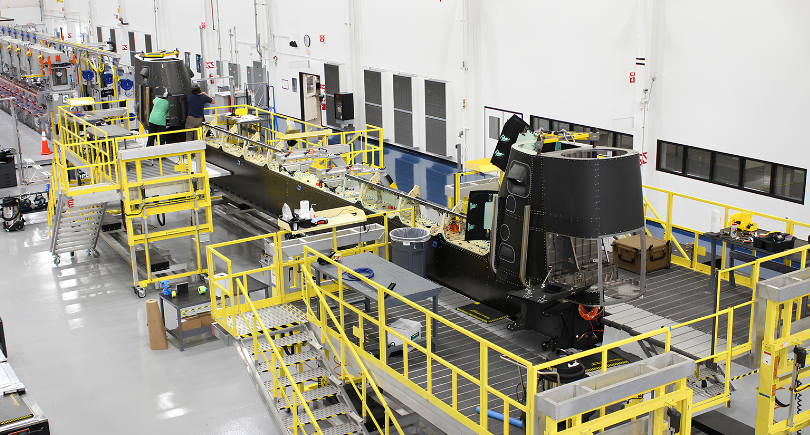
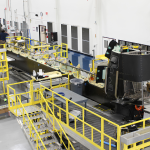
Korean Air’s Sharklet programme traces back to 2010, when the company secured the manufacturing contract through an international tender, outperforming established players from Japan and Europe. The first unit was delivered in July 2012, marking the beginning of a steady scale-up in production. Today, the company operates a fully automated moving assembly line capable of producing over 50 units per month, enabling it to meet sustained global demand from Airbus’ A320 family programme.
Sharklets are distinctive L-shaped wingtip devices fitted to A320 family aircraft and they play a crucial role in enhancing aerodynamic efficiency. By reducing drag, they contribute to lower fuel burn and decreased carbon emissions, aligning with broader industry goals around sustainability and operating cost optimisation. As airlines continue to prioritise fuel efficiency and environmental performance, demand for such components remains structurally strong.
Commenting on the milestone, Vice President Yoo Jong-seok noted that the 5,000th unit represents more than a numerical achievement, it signals Korean Air’s credibility as a long-term partner in the global aerospace supply chain. The company indicated that it will continue to expand its aerospace manufacturing business, anchored in quality assurance, production reliability, and trusted partnerships.
With this milestone, Korean Air not only reinforces its role within the Airbus supply chain but also highlights the growing contribution of Asian MROs and aerospace manufacturers in high-value aerostructure production, an area increasingly critical as global fleet expansion accelerates.