
As the aviation maintenance industry rapidly transitions toward digitally connected operations, workforce readiness is emerging as one of the sector’s biggest priorities. In a significant move aligned with this transformation, aviation software provider Veryon has partnered with Embry-Riddle Aeronautical University to integrate digital maintenance management training directly into aviation maintenance education.
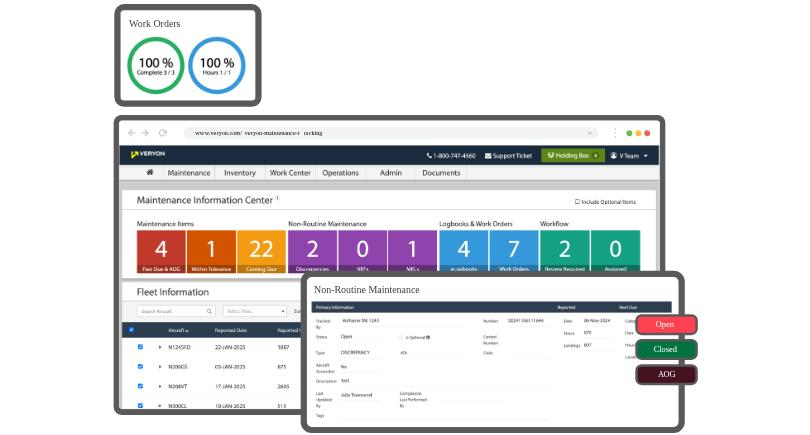
The collaboration will introduce Veryon Maintenance Tracking into Embry-Riddle’s Aviation Maintenance Science curriculum, enabling Airframe & Powerplant (A&P) students to gain practical exposure to the same digital maintenance workflows increasingly used by airlines, MROs, and aircraft operators worldwide.
The initiative reflects a broader industry-wide realization that future aviation maintenance professionals must be equipped not only with technical engineering skills but also with the ability to operate within data-driven and software-centric maintenance ecosystems.
Bridging the Gap
Under the partnership, students will work in a dedicated training environment that simulates real-world maintenance management scenarios. The curriculum will allow students to understand how airlines and maintenance organizations manage aircraft records, monitor maintenance events, track compliance requirements, and maintain operational readiness through digital systems.
Students will gain hands-on experience in areas such as:
- Managing aircraft maintenance records and technical documentation
- Tracking scheduled and unscheduled maintenance events
- Understanding aviation regulatory compliance workflows
- Using digital tools to improve maintenance planning and operational efficiency
The program aims to expose students early to the workflows now becoming standard across commercial aviation maintenance environments.
Industry experts increasingly believe that one of the largest workforce challenges facing aviation maintenance is the gap between traditional technical education and the digital realities of today’s MRO operations.
Modern maintenance organizations are now heavily dependent on integrated software platforms, predictive maintenance systems, electronic records management, and real-time operational analytics. As a result, workforce training requirements are evolving rapidly.
Reshaping the Aviation Maintenance Workforce
The aviation industry’s workforce requirements are undergoing a structural shift as digital transformation accelerates across airline and MRO operations.
Historically, aircraft maintenance training focused primarily on mechanical troubleshooting and hands-on technical repairs. However, next-generation maintenance environments increasingly require technicians and engineers to work with digital maintenance tracking systems, cloud-based records, AI-assisted diagnostics, and connected operational platforms.
This shift is particularly important as airlines globally attempt to improve fleet utilisation, reduce aircraft downtime, and manage increasingly complex regulatory requirements.
Veryon CEO Bethany Little stated that exposing students to digital maintenance systems before entering the workforce helps build practical operational readiness and familiarity with the technologies shaping modern aircraft maintenance.
Embry-Riddle faculty also emphasized that aviation maintenance graduates must now leave the university with experience using real-world operational systems rather than relying solely on theoretical classroom learning.
Workforce Development a Priority for Global MRO Sector
The partnership also highlights a growing global concern surrounding aviation maintenance workforce shortages and succession planning. The global MRO industry continues to face increasing pressure from rising fleet sizes, expanding airline operations, and the retirement of experienced technicians across several mature aviation markets.
At the same time, the complexity of modern aircraft systems is increasing, creating demand for a new generation of digitally skilled maintenance professionals capable of operating in connected maintenance environments.
Training partnerships between technology providers, universities, and aviation organizations are therefore becoming increasingly important in building long-term workforce sustainability.
Students completing the coursework in the Veryon program may also receive certification that recognizes their experience with digital aviation maintenance management software, providing additional employability credentials as they enter the aviation workforce.
The future MRO workforce will be technical and digital
The aviation maintenance workforce of the future will likely require a combination of engineering expertise, software proficiency, regulatory understanding, and data-driven decision-making capability.
As aircraft maintenance operations become increasingly connected, digital fluency is no longer viewed as an optional skill but as a core operational requirement.
Partnerships such as the one between Veryon and Embry-Riddle indicate that the aviation industry is beginning to rethink workforce development strategies more proactively, preparing students not only to maintain aircraft, but also to operate within the highly digitalised maintenance ecosystems shaping the future of global aviation.