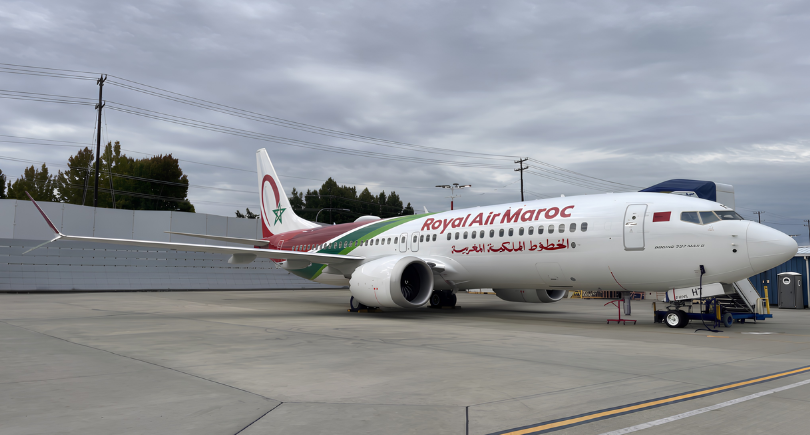
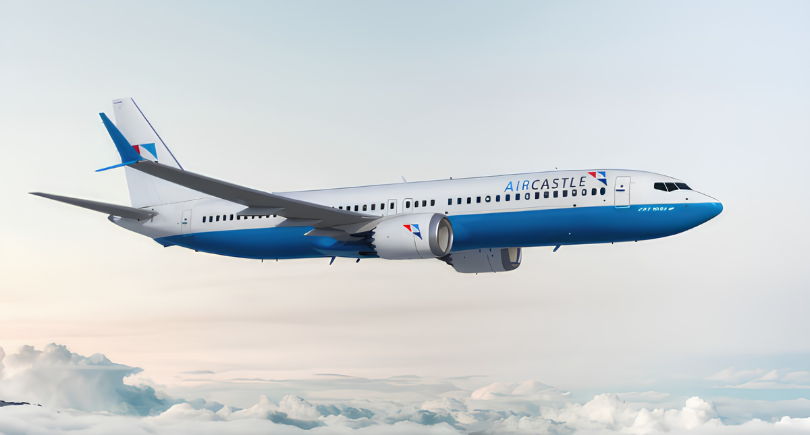
With certification now complete, Boeing and Southwest Airlines, the launch customer for the 737-7, have shifted their focus from regulatory approval to entry into commercial service. Boeing has confirmed that dedicated teams are already preparing the first production aircraft, incorporating all final certified configuration updates before delivery.
For Southwest, the certification is especially significant. As one of the world’s largest all-Boeing operators, the airline has been awaiting the 737-7 for several years as part of its long-term fleet renewal strategy. The aircraft’s lower seating capacity, combined with its extended range, offers Southwest greater flexibility to serve markets where the larger 737-8 may not be the most economical option. It also enables the airline to open new city pairs, increase frequencies on existing routes and optimise capacity without compromising operating economics.
Beyond Southwest, the certification removes a major uncertainty for other customers that have committed to the aircraft. Airlines can now move ahead with fleet planning, pilot training, maintenance preparations and network deployment with a much clearer delivery outlook. For lessors and financiers, the approval also restores confidence in the programme’s long-term value, supporting future placements and financing decisions.
Strengthening the 737 MAX
The arrival of the 737-7 further strengthens Boeing‘s position in the highly competitive single-aisle aircraft market. According to Boeing, the 737 MAX family has accumulated more than 7,200 orders worldwide, with over 2,300 aircraft delivered through the end of June 2026, making it one of the industry’s most successful commercial aircraft programmes despite the challenges it has faced.
Each member of the MAX family addresses a distinct segment of the narrowbody market. The 737-8 has become the workhorse for many airlines, offering seating for 160 to 180 passengers and the versatility to operate on a wide variety of short- and medium-haul routes. The larger 737-9 serves higher-capacity markets, while the 737-10, currently progressing through its own certification programme, is expected to deliver the best per-seat economics within the family once approved.
The 737-7, however, occupies a particularly strategic position. By combining lower seating capacity with the longest range in the MAX family, it allows airlines to profitably operate routes that may not justify a larger aircraft while retaining the operational and maintenance commonality that is increasingly valued in modern fleets. That commonality translates into lower pilot training costs, simplified maintenance planning, shared spare parts inventories and greater operational flexibility factors that are particularly important as airlines continue balancing growth with cost discipline.
While the certification is a commercial milestone for Boeing, its long-term impact will be felt just as strongly across the global maintenance, repair and overhaul sector.
Every new aircraft programme initiates a decades-long lifecycle of aftermarket activity, and the 737-7 will be no exception. Airlines introducing the aircraft will require maintenance programme development, engineering support, technical documentation, reliability monitoring, component repair capability, inventory planning and technician training before the aircraft enters regular service. As fleet numbers grow, demand for heavy maintenance, structural inspections, avionics support and engine shop visits will increase, creating opportunities for OEMs, independent MRO providers and specialised repair organisations alike.
Although the 737-7 shares a high degree of commonality with other MAX variants, maintenance organisations will still need to incorporate variant-specific inspection procedures, software updates and configuration management practices. Digital maintenance tools, predictive analytics and health monitoring systems are also expected to play a greater role in supporting fleet reliability, reflecting the industry’s broader shift towards data-driven maintenance strategies.
The certification is equally significant for the engine aftermarket. Powered by the CFM International LEAP-1B, the 737-7 adds to the growing installed base of next-generation engines that are already reshaping maintenance demand worldwide. Engine MRO providers are investing heavily in new repair capabilities, advanced inspection technologies and expanded shop capacity to support rising LEAP workloads. As additional 737-7 aircraft enter service, those investments are expected to become even more critical.
At the same time, the programme arrives during a period when the global aftermarket continues to face supply chain constraints, limited spare engine availability and extended turnaround times for engine overhauls. Against this backdrop, the introduction of another MAX variant reinforces the need for stronger collaboration between OEMs, suppliers and MRO providers to ensure long-term fleet support.
What’s next for Boeing?
With the 737-7 now certified, attention naturally turns to the 737-10, the largest member of the MAX family. Boeing has indicated that work towards FAA certification of the aircraft continues, with the company aiming to complete the process later this year.
The experience gained during the 737-7 programme is expected to play a crucial role in that effort. The enhanced certification methodologies, closer regulatory engagement and engineering lessons learned over the past several years provide Boeing with a stronger foundation as it moves towards certifying the final member of the MAX family.
For Boeing, securing certification of both remaining variants is essential to completing its narrowbody product portfolio and strengthening its competitive position in a market where airlines continue to prioritise fuel efficiency, operational flexibility and fleet commonality.
Certification that rebuilds confidence
The FAA’s approval of the 737-7 is not merely another aircraft certification; it is a defining moment in Boeing’s broader journey to restore confidence in one of the aviation industry’s most closely scrutinised programmes.
Unlike previous commercial aircraft approvals, the 737-7 has emerged from one of the most exhaustive certification campaigns in recent aviation history. The programme has demonstrated a renewed emphasis on engineering discipline, regulatory transparency and system safety, setting a higher benchmark not only for Boeing but for future aircraft development across the industry.
For airlines, the aircraft introduces a highly efficient platform capable of serving markets where flexibility and economics are paramount. For passengers, it promises quieter operations, improved fuel efficiency and a lower environmental footprint. For regulators, it validates the effectiveness of enhanced certification oversight implemented over recent years.
Perhaps most importantly, for the global MRO industry, the certification marks the beginning of another long-term support cycle. Every aircraft delivered will generate sustained demand for maintenance expertise, digital diagnostics, component repairs, engine overhauls, technical training and supply chain resilience over the coming decades.
As Boeing prepares the first deliveries and airlines begin integrating the aircraft into their fleets, the 737-7 enters service carrying expectations that extend well beyond commercial success. It represents a programme shaped by hard-earned lessons, strengthened engineering processes and a renewed commitment to safety, qualities that will ultimately define its legacy far more than its place within the 737 MAX family.
For the aviation industry, the certification is more than the end of a lengthy regulatory journey. It is the beginning of a new operational chapter, one that will influence airline fleet strategies, certification practices and the global aftermarket for years to come.