Safran has reported record first-half 2026 financial results, underpinned by robust demand across its civil aerospace businesses and an exceptionally strong performance in the engine aftermarket, prompting the company to raise its full-year financial guidance. The aerospace and defence group recorded adjusted revenue of €17.57 billion, up 19% year-on-year, while recurring operating income rose 29% to €3.24 billion, representing an operating margin of 18.4%. Free cash flow reached €2.62 billion, reflecting strong operational execution and continued investment in future production and maintenance capabilities.
Safran attributed its strong performance primarily to sustained demand for civil engine spare parts and aftermarket services, particularly across the CFM56 and LEAP engine programmes. Civil engine aftermarket activities exceeded expectations during the first six months of the year, with spare parts revenue increasing by nearly 28% in US dollar terms. The company said the growth was largely driven by favourable maintenance workscopes on the mature CFM56 fleet, while the LEAP programme contributed through a growing number of shop visits performed by third-party MRO providers and increasingly comprehensive maintenance workscopes. Revenue generated through LEAP rate-per-flight-hour service agreements also increased significantly, reinforcing the long-term value of engine service contracts in Safran’s aftermarket portfolio.
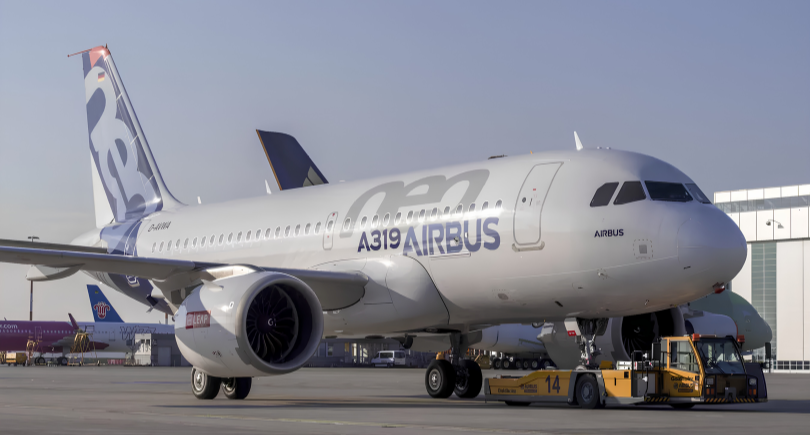
Demand for new engines also remained strong. Safran delivered more than 500 LEAP engines for the fourth consecutive quarter, with 510 engines shipped during the second quarter alone. Total LEAP deliveries reached 1,030 engines during the first half of 2026, representing a 41% increase over the same period last year. The company said the sustained production rate reflects continued operational improvements while supporting the growing global narrowbody fleet and increasing aftermarket demand expected over the coming years.
Beyond propulsion, Safran‘s Equipment & Defense business also delivered solid growth, supported by increasing original equipment deliveries and expanding aftermarket demand for nacelles and electrical systems. Aftermarket activity within the division grew by more than 12%, driven by maintenance demand for Airbus A320neo and A330 nacelles, as well as electrical systems supporting aircraft including the Airbus A380. Meanwhile, the Aircraft Interiors business returned improved profitability, supported by growing demand for cabin spare parts, particularly from airlines in the Americas, the Middle East and Asia, highlighting the continued recovery of the global commercial aviation market.
Also Read – BeauTech and Lufthansa’s GEM sign 10-year engine leasing framework agreement
Safran also continued investing heavily in future technologies and industrial capacity. Total research and development expenditure exceeded €1.1 billion during the first half, with significant investment directed towards decarbonisation initiatives, including the Revolutionary Innovation for Sustainable Engines (RISE) programme. At the same time, the company increased capital expenditure to expand both original equipment manufacturing and MRO production capacity across its civil and defence businesses, reflecting confidence in sustained long-term demand for aerospace products and services.
Commenting on the results, Olivier Andriès, CEO of Safran, said the company had delivered an outstanding first half driven by strong demand for civil engine spare parts, record profitability and robust cash generation. He added that Safran continues to expand production capabilities to support growing customer demand across both commercial aerospace and defence markets, leading the company to raise its financial outlook for the remainder of the year.
Reflecting its strong performance, Safran has upgraded its full-year 2026 guidance. The company now expects revenue growth in the mid-teens, recurring operating income of €6.4–6.5 billion, and free cash flow of €4.7–4.9 billion. The revised outlook is based on expectations of continued high-teens growth in LEAP engine deliveries, mid-twenties growth in spare parts revenue and services revenue, while acknowledging ongoing risks related to supply chain production capabilities and the geopolitical situation in the Middle East.
For the global MRO industry, Safran’s results reinforce a trend that has become increasingly evident over the past two years: the aftermarket has emerged as the primary engine of growth for aerospace manufacturers. Strong demand for spare parts, increasing shop visit volumes, expanding long-term service agreements and the growing installed base of LEAP-powered aircraft are reshaping revenue streams across the sector. As airlines continue extending fleet utilisation while managing supply chain constraints and delayed aircraft deliveries, investment in maintenance capacity, engine overhaul infrastructure and aftermarket support is expected to remain a strategic priority for OEMs and MRO providers alike.