
KVE by Daher is expanding its advanced composite manufacturing and repair capabilities in the Netherlands as the company marks 30 years of operations, adding production capacity for aerospace and defence structures at its facility in The Hague.
The Dutch company, which specialises in the design, manufacture and repair of composite structures, has invested more than €2.5 million between 2025 and 2026 in new equipment, manufacturing automation and increased production capacity. The investment is aimed at supporting higher production rates across its aerospace and defence programmes.
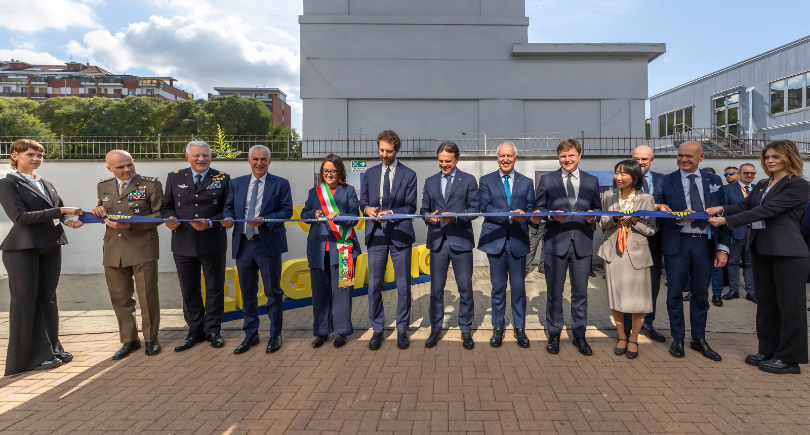
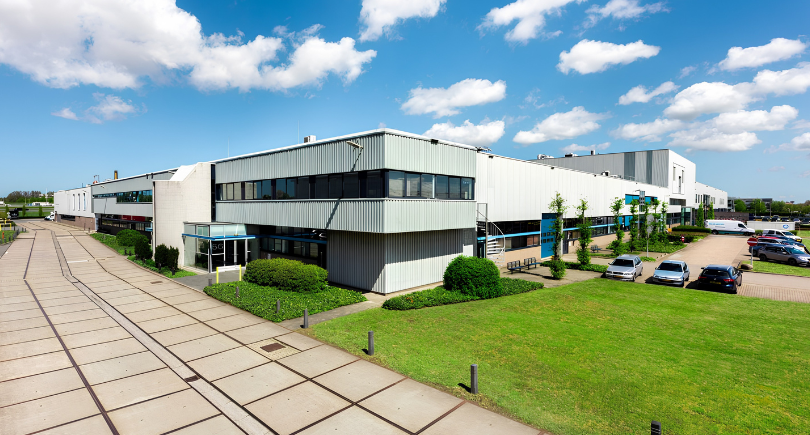
KVE inaugurated an expanded facility at Ypenburg in The Hague, adding nearly 1,800 square metres to its existing footprint. The site is located on the former premises of Dutch aircraft manufacturer Fokker and will include a dedicated production line for blades, wing structures and other advanced composite components.
The expansion is significant for KVE’s role within the Daher Group because the company combines composite engineering, manufacturing and repair capabilities with Daher’s broader aerospace industrial and certification infrastructure.
From Engineering Company to Composite Specialist
Founded in 1996, KVE initially operated as an engineering company before developing its own industrial manufacturing and repair capabilities. The company has become particularly known for thermoplastic composite manufacturing and induction welding, a process that allows composite structures to be joined without conventional rivets or adhesives.
Induction welding is particularly relevant to aircraft component manufacturing because it can reduce the weight associated with mechanical joining systems while supporting automated production processes. KVE has developed proprietary technology around the process and currently holds approximately 20 patents, including six new patents secured during the past two years.
The company’s technology portfolio covers applications including radomes, composite blades and thermoplastic welding processes.
KVE’s composite structures are used in a range of aerospace and defence applications, including radar systems, communications equipment, drones, aircraft wings and next-generation rotor blades. Defence accounts for approximately 80 per cent of the company’s business, with aerospace representing the remaining 20 per cent.
Expansion Supports Production and Repair
The new Ypenburg facility is intended to increase KVE’s industrial capacity while supporting higher customer production rates. The addition of automated manufacturing equipment is also aimed at improving process consistency and production efficiency for advanced composite structures.
KVE’s activities cover more than new-part manufacturing. The company also provides repair services for high-value composite structures, giving its capabilities a role across the component lifecycle.
For aerospace and defence operators, composite repair can involve specialised processes because damage assessment, material compatibility, curing and structural integrity requirements differ from those of conventional metallic structures. KVE’s combination of composite engineering and manufacturing experience provides a basis for supporting these requirements.
Its work with thermoplastic composites is particularly relevant as aircraft manufacturers and defence programmes increasingly use lightweight composite structures in primary and secondary applications.
Growth Since Daher Acquisition
Daher acquired KVE in 2019, bringing the Dutch composite specialist into a group with capabilities covering aerospace engineering, industrialisation, certification and production.
Since 2020, KVE’s revenue has quadrupled, and its workforce has tripled. The company attributes the growth to market demand as well as access to Daher’s industrial capabilities, certification expertise, investment capacity and aerospace and defence customer network.
KVE’s EN9100 certification provides the quality framework required for work in the aerospace and defence sectors.
The relationship has also created an integrated development and production chain covering the design, manufacture and certification of advanced composite structures.

Focus on Thermoplastic Composites
One of the key areas differentiating KVE within the Daher Group is its expertise in thermoplastic composites. Unlike conventional thermoset composites, thermoplastics can be reheated and reshaped, creating opportunities for automated joining and manufacturing processes.
KVE’s induction welding technology uses electromagnetic energy to locally heat thermoplastic material and join composite structures. The approach eliminates the need for traditional fasteners or adhesive bonding in certain applications.
For aircraft and rotorcraft components, this can support lighter structures and potentially reduce manufacturing complexity. The technology is also applicable to high-rate production environments where repeatability and automation are important.
The company is continuing to develop its technology portfolio through new patents covering radomes, composite blades and welding processes.
Building a Defence and Aerospace Supply Base
The expansion comes as KVE continues to serve a market in which composite structures are increasingly used across aircraft, unmanned systems, radar and communications equipment.
The new production line for blades, wing structures and advanced composite components gives the company additional capacity to support these programmes while maintaining its existing engineering and repair activities.
The location at Ypenburg also has significance for the Dutch aerospace sector. The site has a long history in aircraft manufacturing through Fokker, and KVE’s expansion adds new composite manufacturing capability to that industrial base.
“KVE’s 30th anniversary is an important milestone, but above all, it marks the beginning of a new chapter,” said Pierre Rouch, Managing Director of KVE. “Since joining Daher, we have significantly accelerated our development. By combining our expertise in advanced composites with the Daher Group‘s industrial capabilities, aerospace experience, and international presence, we have created an environment that fosters innovation and growth. These new investments will enable us to sustainably support the ramp-up of our customers’ aerospace and defense programs.”
Conclusion
For the MRO sector, KVE’s expansion illustrates how advanced composite manufacturing, repair and process technology are becoming increasingly connected across the aircraft lifecycle.
As composite content increases across aircraft and rotorcraft platforms, MRO providers require specialised capabilities to inspect, repair and restore composite structures while maintaining the required structural and material properties.
KVE’s combination of design, manufacturing and repair expertise allows the company to work across multiple stages of that lifecycle. Its investment in automation and production equipment also provides additional capacity for components that may eventually require repair or replacement as aircraft enter service.
The company’s continued development within Daher therefore extends beyond production growth. It strengthens a specialised composite capability covering engineering, manufacturing, certification and repair, with applications across civil aerospace, defence and unmanned aviation.
KVE plans to continue investing in automation, industrial capabilities and composite technology as it supports upcoming European aerospace and defence programmes.