Honeywell Aerospace is expanding its work on propulsion, power, avionics, navigation, communications and mission-system technologies for defence applications.
The company is developing and testing technologies covering alternative navigation, avionics, propulsion and mission-system integration for a range of defence platforms.
“Autonomous aircraft represent one of the most significant shifts in military aviation in decades,” said Matt Milas, president of Defense & Space at Honeywell Aerospace. “While platform designs continue to evolve, the need for trusted propulsion, power, navigation, communications and mission systems remains constant.”
Honeywell is flight testing its Kestrel navigation technologies for alternative navigation and resilient positioning, navigation and timing (PNT) in GPS-denied and contested environments.
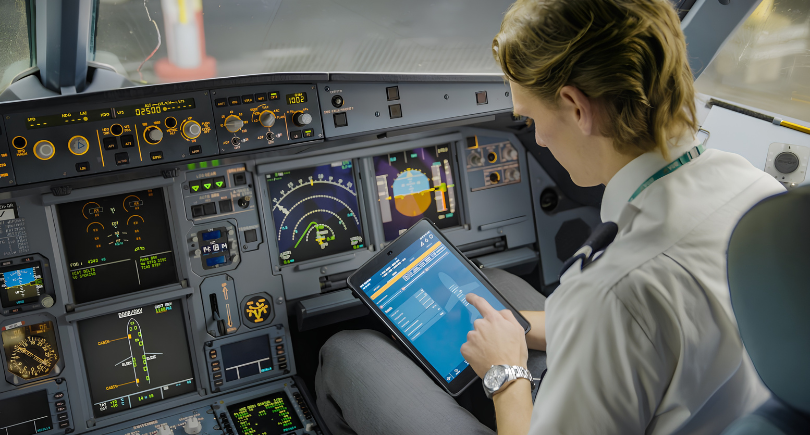
The company is also working with Shield AI on the integration of its Anthem avionics, navigation and sensing technologies with Shield AI’s Hivemind software. The work is focused on integrating avionics and navigation capabilities with autonomous mission systems.
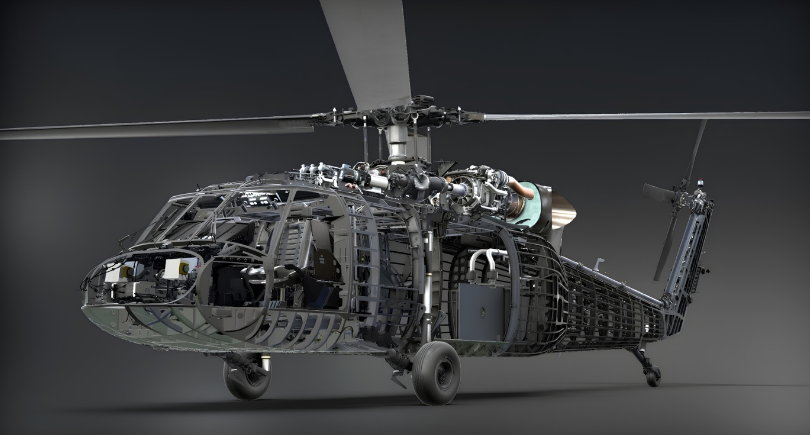
Honeywell, Near Earth Autonomy, Moog and XP Services are conducting integration and flight testing on a modified UH-60L platform. The programme includes Anthem avionics, resilient navigation and satellite communications, with further testing planned through 2026.
Also Read – Turbopower secures US Air Force contract to support global T56 engine fleet
Honeywell is also working with aerospace companies including Hermeus and General Atomics Aeronautical Systems on technologies for future defence aircraft.
The company’s defence portfolio covers propulsion, power management, avionics, navigation, communications and mission-system technologies, with development programmes focused on improving aircraft capability and operational availability.