3,500–4,000 shp powerplant will equip India’s future IMRH and naval DBMRH, with the programme extending into manufacturing, lifecycle support and potential civil applications
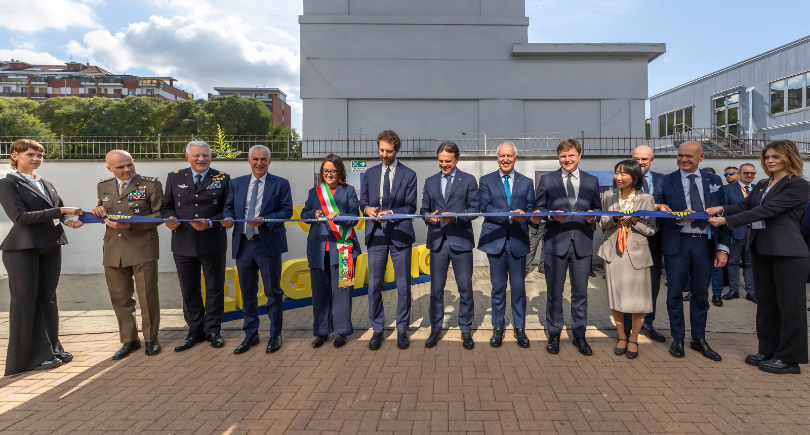
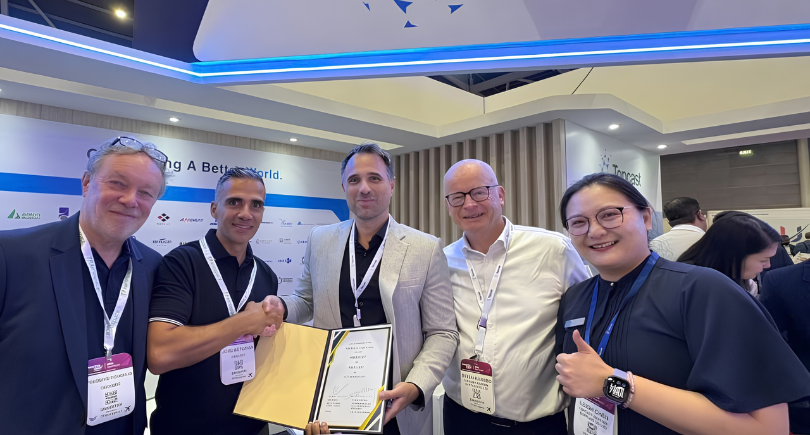
Hindustan Aeronautics Limited (HAL) and Safran Helicopter Engines have signed a final contract with their joint venture, SAFHAL Helicopter Engines Pvt. Ltd., to develop and manufacture the Aravalli, a new-generation high-power helicopter engine that will power India’s future helicopter platforms.
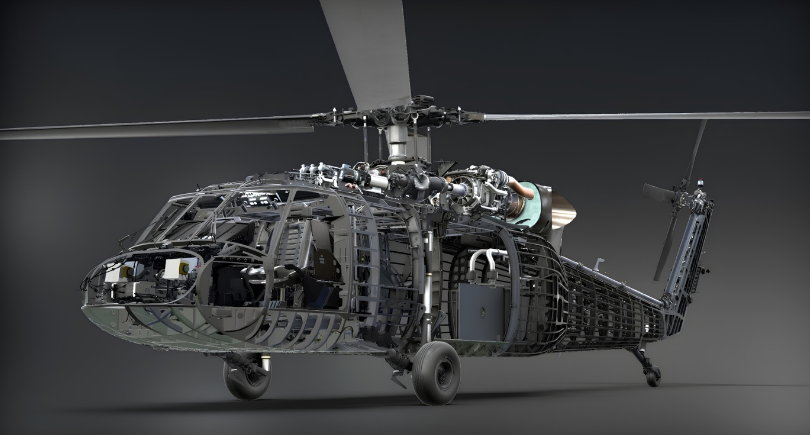
The contract covers the design, development, manufacture, supply and lifecycle support of the engine in the 3,500–4,000 shaft horsepower (shp) class. The Aravalli has been selected for HAL’s 13-ton Indian Multi-Role Helicopter (IMRH) and its naval variant, the Deck-Based Multi-Role Helicopter (DBMRH).
The agreement moves the programme into a significant new phase for India’s aerospace propulsion sector. More importantly for the global MRO industry, it places lifecycle support and the development of domestic engine MRO capabilities alongside design and manufacturing.
What is the Aravalli engine?
The Aravalli is a new high-power helicopter turboshaft engine being developed by SAFHAL, the joint venture between HAL and Safran Helicopter Engines.
The engine will operate in the 3,500–4,000 shp power class and is being designed for demanding operating environments. Its primary applications will be the IMRH, a 13-ton multi-role helicopter being developed by HAL for the Indian armed forces, and the approximately 12.5-ton DBMRH for the Indian Navy. The name Aravalli comes from the Aravalli mountain range in India. Safran says the name reflects the importance of the programme to India’s ambitions for greater self-reliance in critical engine technologies.
For HAL and Safran, the programme represents an evolution of a partnership that has already supported several generations of Indian helicopters. Safran engines have powered HAL’s Cheetah and Chetak helicopters, while the Shakti engine family powers platforms including the Advanced Light Helicopter, Light Combat Helicopter and Light Utility Helicopter.
From engine supply to co-development
The significance of the Aravalli programme lies in the nature of the cooperation. This is not simply an engine supply agreement. SAFHAL was established specifically to develop, produce, sell and support new-generation helicopter engines in India. The partners have progressively moved from an MoU to workshare arrangements and then to joint development and production.
A 2023 workshare agreement gave HAL participation in the design, development and production of selected core engine components, marking an important step in building domestic propulsion expertise.
The latest contract covers advanced design methodologies, manufacturing processes, testing and product support, creating a broader industrial framework around the engine.
For India, that distinction is important. Developing an indigenous aerospace capability is not only about assembling an aircraft or producing individual components locally. It requires knowledge and infrastructure across the entire product lifecycle — from engineering and manufacturing to testing, maintenance and eventual overhaul.
Why the programme matters for MRO
The Aravalli programme has a direct connection with the development of India’s helicopter MRO ecosystem. HAL has said the programme is expected to help catalyse indigenous MRO capabilities in India. That could eventually create opportunities across engine maintenance, component repair, overhaul, testing and lifecycle support.
For operators, domestic engine support can have practical benefits. Local maintenance capability can reduce reliance on overseas facilities, potentially shorten turnaround times and provide greater control over the availability of critical propulsion assets.
For India’s MRO industry, meanwhile, the programme could create a new technical base around helicopter engine support. The value would extend beyond the initial IMRH and DBMRH fleets if the capabilities developed for Aravalli can subsequently support other military or civil applications.
This is particularly relevant as India seeks to expand its role as an MRO destination and develop a deeper aerospace supply chain.
A wider industrial opportunity
The programme also reflects a broader shift in India’s aerospace strategy from platform-level manufacturing towards greater ownership of critical technologies. Engines remain among the most technologically demanding systems on an aircraft. They require specialised engineering, materials, precision manufacturing, testing and highly controlled maintenance processes.
By developing these capabilities through SAFHAL, HAL and Safran are creating an industrial base that could potentially support future propulsion programmes as well.
Safran describes SAFHAL as a joint venture dedicated to the design, development, production, sales and support of helicopter engines in India. The companies had earlier stated that the joint venture represented an important step towards establishing an engine design and manufacturing capability in the country.
Potential beyond military helicopters
Although the immediate requirement for Aravalli comes from India’s defence helicopter programmes, the engine’s potential is not necessarily limited to military applications. The partners have previously identified possible future civil applications, including offshore operations, utility missions and VIP transport. MRO activities are also expected to form part of the programme’s longer-term development.
That could become strategically important for the aftermarket.
If the engine eventually enters civil service, the programme could create opportunities for a broader network of maintenance providers, component suppliers and repair specialists. It could also give Indian MRO companies experience supporting a locally developed engine across both defence and commercial operating environments.
HAL-Safran partnership enters a new phase
The latest agreement builds on more than two decades of cooperation between HAL and Safran in helicopter propulsion. Safran Helicopter Engines CEO Cedric Goubet described the Aravalli programme as a new chapter in the companies’ relationship and in the strategic aerospace partnership between France and India. The programme, he said, will combine the expertise of both companies to develop propulsion systems for India’s future rotorcraft.
HAL Chairman and Managing Director Ravi K said the programme would support the operational requirements of the IMRH and DBMRH while contributing to a stronger domestic aerospace industrial ecosystem.
The Aravalli programme is ultimately bigger than the development of another helicopter engine. For India, it is a step towards greater control over a critical aerospace technology. For Safran, it provides an opportunity to deepen its industrial relationship with one of the world’s major emerging aerospace markets.
For the MRO sector, the more important development could be what happens after the engine leaves the production line. The contract’s inclusion of lifecycle support means that maintenance and sustainment are being considered as part of the programme from the outset. If India succeeds in developing the required engine MRO infrastructure, skills and supplier network alongside the Aravalli, the programme could become a foundation for a wider domestic propulsion aftermarket.
The long-term opportunity, therefore, is not simply to make the engine in India, but to build the capability to support, maintain, repair and eventually evolve that engine in India.
That makes Aravalli an important programme to watch, not only for India’s defence and aerospace ambitions, but also for the development of its next-generation MRO and aftermarket ecosystem.