
Fly91 is betting on smaller cities and turboprop economics, but its ambitious fleet expansion will also put pressure on financing, infrastructure and aftermarket support
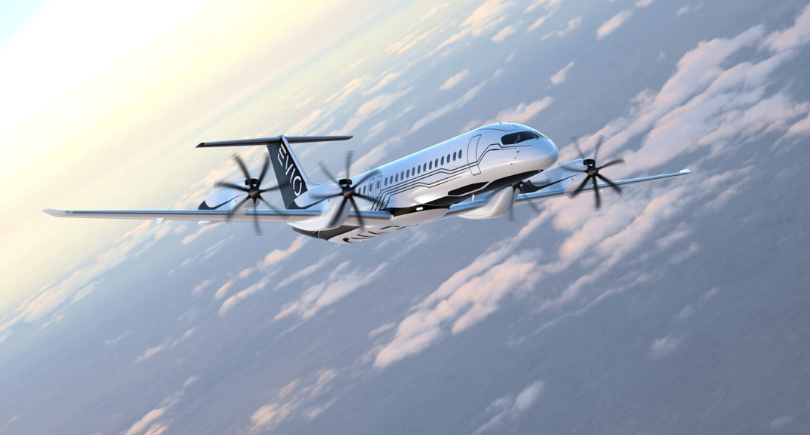
India’s regional aviation market is entering another important phase as Fly91 places one of the largest single orders in ATR’s history, committing to 40 ATR 72-600 turboprops as it prepares for a major expansion across the country’s smaller cities.
The firm order, announced on Thursday, is valued at approximately $1 billion at list prices, although Fly91 CEO Manoj Chacko said the airline had secured an undisclosed discount, as is customary for large aircraft purchases.
The agreement is a significant boost for ATR and highlights the growing importance of India as a market for regional aircraft. It also comes at a time when the Indian government continues to promote air connectivity to underserved cities and airports through its regional connectivity programme. For Fly91, however, the order represents a much bigger bet.
The airline currently operates six ATR 72-600s. It plans to add another six to eight aircraft through the open market before the new-order deliveries begin, taking its fleet to between 12 and 14 aircraft by the end of next year. The first aircraft from the new order is expected to arrive in the second half of 2027, with deliveries continuing through 2032 or early 2033.
If the plan progresses as outlined, Fly91 expects to operate around 60 aircraft by the time the entire ATR order has been delivered. That would transform the carrier from a small regional operator into a significantly larger player in India’s developing regional aviation market.
Why the ATR 72-600 fits India’s regional opportunity
The aircraft choice is central to Fly91’s strategy. India has more than 160 functional airports, according to Chacko, but narrowbody aircraft currently serve only around 70 of them. This leaves a substantial portion of the country’s airport network dependent on regional connectivity solutions. The ATR 72-600 is designed precisely for this type of operation.
Its turboprop configuration provides lower operating costs on shorter routes compared with larger regional jets and narrowbody aircraft. Its ability to operate from shorter runways also allows airlines to serve airports that may not have the infrastructure or passenger demand required for Airbus A320-family or Boeing 737-family operations.
For an airline targeting smaller cities, those characteristics can be commercially important.
Instead of competing directly for traffic on established trunk routes between major metropolitan centres, Fly91 can build a network around shorter sectors, thinner markets and underserved city pairs.
That strategy could become increasingly relevant as India’s overall aviation market expands beyond the country’s largest airports. “India’s air connectivity is so under-penetrated, it’s not funny,” Chacko told Reuters, highlighting the scale of the opportunity he sees in regional aviation. But identifying the opportunity and making regional routes financially sustainable are two very different challenges. A big fleet plan in a difficult regional market
Fly91’s expansion comes with considerable execution risk. The airline has yet to record an annual profit, while India’s regional aviation market has seen several operators struggle or exit the sector. The government’s regional connectivity programme has helped airlines launch routes to smaller cities by providing financial support, but a number of routes introduced under the scheme since 2017 have subsequently been discontinued.
That history underlines a fundamental challenge for regional aviation: connectivity does not automatically translate into sustainable economics.
Fly91 is attempting to address that challenge through a combination of network expansion, turboprop economics and government-supported routes. The airline currently operates around 280 flights a week, of which 98 receive viability gap funding covering half the seats under India’s regional connectivity scheme. According to Chacko, this support is worth approximately $1.16 million per month to the airline. The carrier is also targeting financial milestones that will be closely watched as it expands. Fly91 expects to reach cash break-even by the end of the current financial year and achieve profit-and-loss break-even a year later.
The financing challenge
Aircraft acquisition is only one part of the equation. Fly91 still needs to finalise financing for the 40-aircraft order and is currently in discussions with lessors and financiers. The airline is funding its upfront payments from its own resources, with Chacko describing the amounts involved as significant.
Fly91 has raised approximately $26.3 million and is seeking another $26.3 million. Around one-quarter of the additional funding has already been subscribed by existing investors, according to Chacko. The carrier is currently debt-free.
For the lessor and financing community, Fly91’s growth plans will therefore be closely linked to its ability to demonstrate sustainable route economics, improve profitability and build confidence around the residual value and utilisation of its ATR fleet.
The sale-and-leaseback and operating-lease markets could become increasingly important as the airline scales.
The MRO opportunity behind the order
For the MRO industry, the most interesting aspect of Fly91’s order may be what happens after the aircraft are delivered.
Growing the fleet from six ATR 72-600s today to potentially around 60 aircraft over the coming years will create a substantial requirement for maintenance capacity, spare parts, components, technical support and trained personnel. The expansion also has implications beyond Fly91 itself.
If other airlines follow a similar strategy and turboprops become an important part of India’s regional connectivity network, the country could see a broader requirement for ATR-specific MRO capabilities.
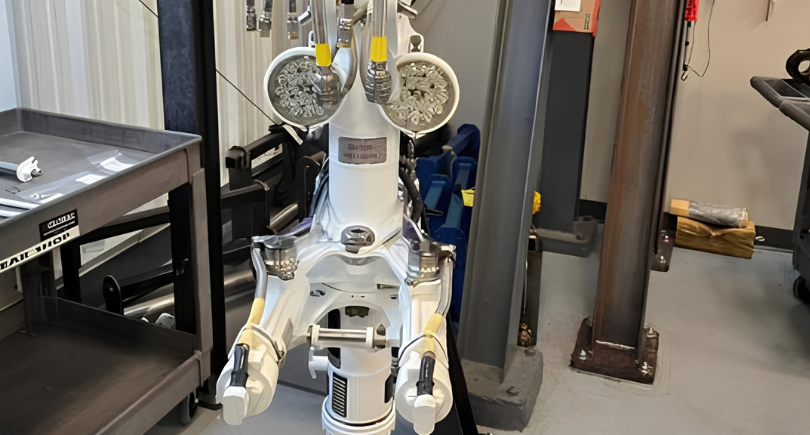
This could include line maintenance at smaller airports, base maintenance, engine and propeller support, component repair, landing gear services, avionics support and aircraft transition capabilities. For MRO providers, regional aviation presents a different operating model from the major metro-based narrowbody market.
Aircraft spend more time operating short sectors and completing multiple cycles during a day. That can create different maintenance planning requirements and put greater emphasis on aircraft availability, turnaround time and distributed technical support. For a growing operator such as Fly91, keeping aircraft flying efficiently will be critical.
A grounded turboprop on a regional route can have a disproportionately large impact on connectivity when alternative aircraft or frequencies are limited. Fleet growth will require a larger support ecosystem The scale of Fly91’s planned expansion also raises questions about how India’s aviation infrastructure will evolve alongside fleet growth.
Aircraft operating to smaller cities require more than airport infrastructure. They need access to trained engineers, spare parts, tooling, ground support equipment and technical expertise. Building those capabilities across a distributed regional network can be challenging.
This is where India’s growing MRO ambitions could intersect with regional aviation.
The country’s efforts to establish itself as a major global MRO destination have largely focused on larger commercial aircraft and major maintenance centres. However, a rapidly expanding regional fleet could create another layer of opportunity one centred on regional aircraft support closer to secondary and tertiary airports.
For Fly91 and other regional operators, outsourcing selected maintenance activities to specialised providers could potentially prove more efficient than developing a large in-house technical organisation as the fleet grows.
ATR gets a major vote of confidence
For ATR, the order represents a significant vote of confidence in the future of turboprops in India. The manufacturer dominates the global turboprop market, but its sales remain concentrated in a relatively limited number of countries.
India offers a particularly attractive opportunity because of its geography, large population, expanding aviation demand and extensive network of smaller airports. The Fly91 order therefore strengthens ATR’s position in a market where regional connectivity could become an increasingly important component of national aviation growth.
It also demonstrates that the turboprop has not been pushed aside by the rapid expansion of narrowbody fleets. Instead, the two aircraft categories can serve different parts of the market.
A320-family and 737-family aircraft are well suited to high-volume routes between major cities, while ATR aircraft can connect smaller markets where frequency and capacity need to be matched more closely to demand.
Can regional aviation become sustainably profitable?
That remains the bigger question. India has already demonstrated that there is significant latent demand for air connectivity beyond the major metropolitan centres. The challenge is converting that demand into routes that can remain commercially viable after initial government support is reduced or removed.
Fly91’s 40-aircraft order represents a strong vote of confidence in that opportunity. But the airline’s success will depend on several factors working together: fleet utilisation, route selection, financing, aircraft availability, maintenance costs, trained manpower and the ability to build sustainable passenger demand. For MRO providers and the wider aviation supply chain, the opportunity is equally significant.
If Fly91 achieves its target of building a fleet of around 60 aircraft, it could become an important customer for India’s regional aviation aftermarket.
And if the model succeeds, Fly91 may not be the last Indian carrier to place a major bet on turboprops.
The bigger picture
The 40-aircraft ATR order is ultimately a bet on a simple proposition: India’s aviation growth will not come only from its biggest cities. The next wave of connectivity could increasingly come from smaller cities and airports, where aircraft size, operating economics and infrastructure constraints make turboprops particularly relevant.
For Fly91, that creates an opportunity to build a network around markets that remain underserved. For ATR, it strengthens the case for India as a major regional-aircraft market.
And for the MRO industry, it presents a potentially valuable new growth segment one where fleet expansion, aircraft utilisation and reliable technical support will be inseparable from the success of regional aviation. The aircraft order may be worth $1 billion on paper. The bigger opportunity could be the regional aviation ecosystem that develops around it.