Embraer has reported a record order backlog of $34.5 billion for the second quarter of 2026 (2Q26), extending its streak of record-breaking performance to seven consecutive quarters. The latest backlog represents a 7% increase over the previous quarter and a 16% year-on-year rise, underlining sustained demand across the company’s Commercial Aviation, Executive Aviation, Defence & Security, and Services & Support businesses.
The strong order book not only highlights Embraer’s growing market presence but also signals a healthy long-term pipeline for maintenance, repair and overhaul (MRO), fleet support and aftermarket services as operators continue to expand their fleets worldwide.
Expanding E2 programme
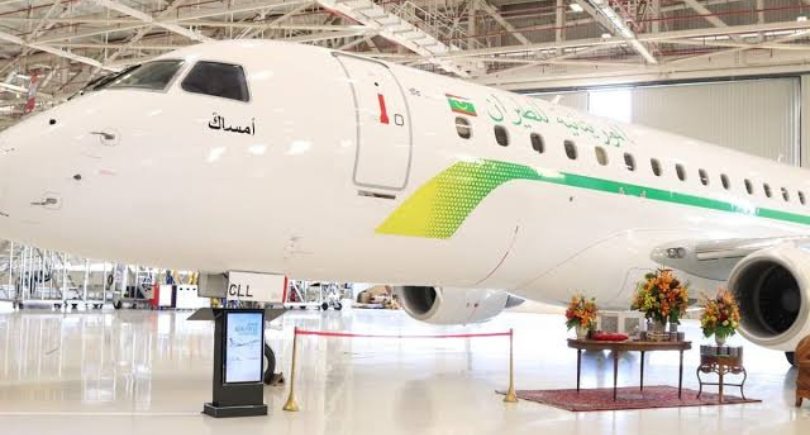
Commercial Aviation remained Embraer’s largest contributor to the backlog, which reached $15.1 billion, representing a 15% increase compared to the same period last year.
The growth was largely driven by leasing company Azorra‘s order for 15 Embraer E195-E2 aircraft, a deal that pushed the E2 family beyond the milestone of 500 firm orders from customers across multiple global markets.
During the Farnborough International Airshow, Embraer also confirmed that Fuji Dream Airlines was the previously undisclosed customer behind an order for two E175 aircraft that had already been included in the company’s backlog.
The Commercial Aviation business concluded the quarter with a book-to-bill ratio of 1.8x, indicating that new orders continued to significantly outpace aircraft deliveries.
For the aftermarket sector, continued growth of the E-Jet fleet represents increasing long-term demand for maintenance services, spare parts, component support and engine maintenance programmes as more aircraft enter commercial service.
Stable expansion
Embraer’s Executive Aviation division also reported steady growth, with its backlog increasing to US$7.8 billion, up 5% year-on-year.
The business received an additional boost during the quarter following the successful certification of the new Praetor 600E and Praetor 500E business jets by Brazil’s National Civil Aviation Agency (ANAC), the US Federal Aviation Administration (FAA) and the European Union Aviation Safety Agency (EASA).
With certification now completed across all three major regulatory authorities, Embraer is well positioned to accelerate deliveries of the new aircraft while expanding its global customer base.
Executive Aviation reported a book-to-bill ratio of 1.1x, reflecting sustained market demand in the business aviation segment.
Defence backlog surges
The Defence & Security business recorded one of the strongest performances during the quarter, with its backlog rising to US$6.1 billion, representing a substantial 42% increase compared with the second quarter of 2025.
The growth was primarily driven by a landmark agreement with the United Arab Emirates for the C-390 Millennium military transport aircraft. The agreement includes 10 firm aircraft orders and options for an additional 10 aircraft, making it the largest international acquisition of the platform by a single country and marking the aircraft’s entry into the Middle East market.
The Defence & Security division reported a book-to-bill ratio of 2.6x, reflecting exceptionally strong order momentum.
The expanding global C-390 fleet is also expected to generate significant long-term opportunities for integrated logistics support, fleet sustainment, military MRO and lifecycle services over the coming decades.
Also Read – AerCap expands Boeing 787 fleet with order for 15 Dreamliners
Services & support business
Embraer’s Services & Support division also achieved a record backlog of US$5.5 billion, an increase of 12% compared to the same period last year.
The business continued to strengthen its global aftermarket presence through several strategic support agreements announced during the quarter.
Among the notable developments was a long-term support agreement with Jazz Aviation, making the Canadian regional carrier the first operator in the country to join Embraer’s Collaborative Inventory Planning (ECIP) programme. The initiative is designed to optimise spare parts availability, improve inventory management and enhance aircraft dispatch reliability.
Embraer also signed a comprehensive support agreement with the Brazilian Air Force (FAB) covering the entire KC-390 Millennium fleet, including aircraft already in operation as well as future deliveries.
The Services & Support business ended the quarter with a book-to-bill ratio of 1.3x, highlighting continued expansion of Embraer’s global aftermarket portfolio.
Aftermarket opportunities
The company’s expanding backlog across all business segments reflects more than just strong aircraft sales. Every new aircraft delivered creates long-term demand for maintenance, repair, overhaul, technical support, digital services, spare parts, training and fleet sustainment throughout its operational life.
As airlines, business jet operators and defence customers continue modernising their fleets, Embraer is simultaneously strengthening its global aftermarket network through integrated support programmes, inventory planning solutions and long-term maintenance agreements.
The continued growth of its Services & Support division demonstrates the company’s strategic focus on lifecycle customer support, an increasingly important revenue stream as aircraft operators seek higher fleet availability, improved reliability and predictable maintenance costs.
Long-Term growth
Embraer’s latest results highlight the strength of its diversified business model, with healthy growth across commercial aviation, executive jets, defence platforms and aftermarket services. The record backlog provides strong revenue visibility while reinforcing the company’s position as one of the world’s leading aerospace manufacturers.
For the global MRO industry, the expanding backlog translates into a steadily growing installed fleet that will require comprehensive lifecycle support over the coming decades. With continued investments in digital support solutions, inventory optimisation and long-term service agreements, Embraer is positioning its Services & Support business as a key pillar of its long-term growth strategy alongside aircraft manufacturing.