Brazilian aerospace manufacturer Embraer has recorded its strongest second-quarter delivery performance in 16 years, delivering 65 aircraft during the second quarter of 2026, a result that reflects improving production stability and sustained global demand across its commercial and executive aviation businesses.
The company reported a 48 per cent quarter-on-quarter increase in deliveries and a 7 per cent year-on-year growth, reinforcing confidence in its production ramp-up strategy. During the first half of 2026, Embraer delivered 109 aircraft, approximately 20 per cent more than the 91 aircraft handed over during the same period last year.
The latest figures underline the Brazilian manufacturer’s continued recovery from global supply chain disruptions while positioning it to meet its full-year delivery guidance.
Commercial aviation gathers momentum
Embraer’s Commercial Aviation division delivered 20 aircraft during the second quarter, doubling its first-quarter output of 10 aircraft. Compared with the same period in 2025, deliveries also increased modestly, reflecting steady demand from regional airlines and fleet expansion programmes.
A notable highlight was the delivery of six E195-E2 aircraft, the largest member of Embraer’s E-Jet E2 family. The aircraft continues to attract interest from airlines seeking fuel-efficient, right-sized capacity for regional and short-haul operations.
The improved delivery pace suggests that Embraer’s production balancing initiatives are beginning to translate into higher output, enabling the company to gradually clear order backlogs while maintaining delivery schedules.
Executive jet deliveries continue to climb
The strongest contribution during the quarter came from Executive Aviation, which delivered 45 business jets, representing a 55 per cent increase over the previous quarter and an 18 per cent rise compared with the second quarter of 2025.
Growth was driven by healthy demand across both the light and midsize business jet segments, highlighting the continued resilience of the global business aviation market.
Despite economic uncertainties in several regions, demand for private aviation remains supported by corporate fleet renewal, high-net-worth customers and charter operators seeking modern, fuel-efficient aircraft.
Defence deliveries absent in the quarter
Unlike its commercial and executive businesses, Embraer’s Defence & Security division did not record any aircraft deliveries during the second quarter.
While quarterly defence deliveries often fluctuate due to programme schedules and government procurement timelines, the absence of deliveries during the period does not necessarily reflect weakening demand. Defence programmes typically follow longer production and acceptance cycles compared to commercial aviation.
Company maintains full-year delivery guidance
Despite ongoing challenges across the global aerospace supply chain, Embraer has reaffirmed its delivery outlook for 2026. The manufacturer expects to deliver between 80 and 85 commercial aircraft during the year, representing a midpoint growth of approximately six per cent over 2025.
For its Executive Aviation business, the company continues to forecast deliveries of 160 to 170 aircraft, also reflecting a projected six per cent increase year-on-year.
Maintaining guidance suggests growing confidence in the company’s production planning, supplier performance and manufacturing efficiency during the second half of the year.
Production stabilisation beginning to show results
One of the most encouraging aspects of Embraer’s latest performance is the visible impact of its production levelling initiatives. Like many aerospace manufacturers, Embraer has spent the past few years navigating supply chain bottlenecks, shortages of critical components and extended lead times that affected production schedules across the industry.
The significant improvement in second-quarter deliveries indicates that these disruptions are gradually easing, allowing the manufacturer to establish a more balanced production flow and improve delivery predictability.
For airline customers, this translates into greater confidence in fleet planning, while suppliers benefit from more stable production schedules.
What it means for the MRO industry
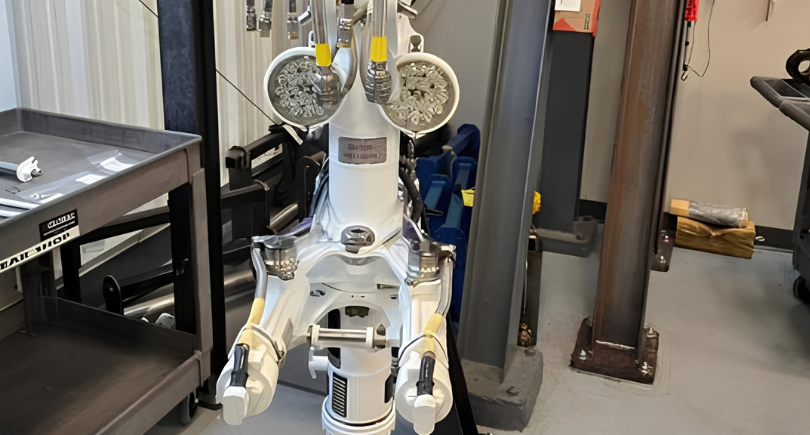
Higher aircraft deliveries today translate directly into greater maintenance demand tomorrow. Every new Embraer aircraft entering service represents decades of future maintenance, repair and overhaul opportunities spanning airframe support, engine maintenance, component repair, landing gear services, avionics upgrades and digital fleet support. The growing global fleet of E-Jets, particularly the newer E2 family, is expected to generate increasing demand for specialised MRO capabilities as aircraft mature through their maintenance life cycles.
Similarly, continued expansion in Embraer’s executive aviation fleet creates additional opportunities for business aviation MRO providers, OEM-authorised service centres and independent maintenance organisations worldwide.
As operators seek to maximise aircraft availability while reducing operating costs, aftermarket services will remain an increasingly important contributor to Embraer’s long-term business strategy.
Deliveries reflect more than sales
Aircraft delivery numbers are often viewed simply as a measure of sales performance, but they also provide an important indicator of manufacturing health, supply chain resilience and future aftermarket demand.
For Embraer, delivering its strongest second-quarter performance in over a decade demonstrates that production stability is steadily returning after years of industry disruption. More importantly, it signals that regional aviation and business aviation continue to enjoy healthy market fundamentals despite economic uncertainties and ongoing supply chain challenges.
With airlines continuing to modernise regional fleets and business aviation maintaining strong momentum, Embraer appears well positioned to sustain growth through the remainder of 2026. For the global MRO industry, the increasing number of Embraer aircraft entering service today represents a steadily expanding installed base that will require long-term maintenance support, creating fresh opportunities across the global aerospace aftermarket.