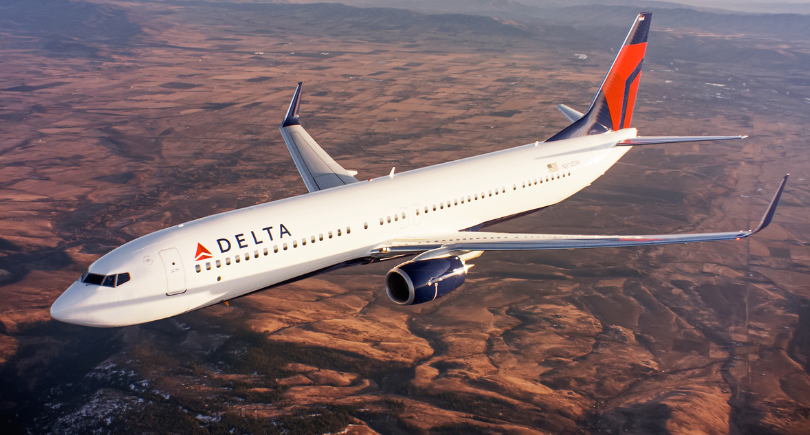

Delta Air Lines will install aerodynamic finlet modifications from Vortex Control Technologies (VCT) across its Boeing 737-800 and 737-900ER fleet, covering approximately 240 aircraft, as part of its efforts to improve fleet efficiency and reduce fuel consumption.
The decision follows a technical evaluation conducted jointly by Delta and VCT, which included flight testing, operational data analysis and engineering assessments of aerodynamic performance on the airline’s Boeing 737 Next Generation (NG) fleet.
Finlets are aerodynamic devices mounted on the aft fuselage of an aircraft. According to VCT, the modifications are designed to optimize airflow, reduce drag and improve pressure distribution around the rear section of the aircraft, helping lower fuel burn and associated carbon emissions.
The programme aligns with Delta’s broader strategy to improve operational efficiency through fleet enhancements. The airline said the assessment process included computational fluid dynamics (CFD) analysis, flight-test validation and reviews of operational performance data before moving forward with fleet-wide implementation.
“Delta seeks out partners and innovations that enhance performance, reduce environmental impact and generate long-term operational benefits,” said Amelia DeLuca, Chief Sustainability Officer at Delta Air Lines. “We appreciate the strong partnership with VCT throughout the evaluation process and are looking forward to this implementation to further support our ongoing fleet efficiency initiatives.”
VCT Chief Executive Officer Gil Morgan said the deployment represents a significant milestone for the company’s technology.
“Equipping these Boeing 737-800 and 737-900ER fleets with Finlets represents a significant milestone for VCT. We are proud to provide a practical technology that helps airlines improve fuel efficiency, reduce carbon emissions and enhance operating economics,” Morgan said.
Delta noted that fuel consumption remains the largest contributor to its carbon emissions, accounting for approximately 90% of the airline’s emissions profile. The carrier views fleet-efficiency upgrades such as aerodynamic modifications as one of the measures available to reduce fuel use while supporting sustainability objectives.
The retrofit programme will be implemented across Delta’s 737-800 and 737-900ER fleet as the airline continues to pursue operational efficiency improvements through aircraft modifications and performance optimisation initiatives.