De Havilland Aircraft of Canada has introduced its factory-supported Twin Otter Re-Life Supplemental Type Certificate (STC) programmes to operators worldwide, offering new life-extension solutions designed to maximise aircraft longevity and support long-term fleet maintenance.
The company said the Re-Life STC programmes have now been integrated into its aftermarket portfolio following the successful transfer and validation of the certificates in collaboration with Transport Canada.
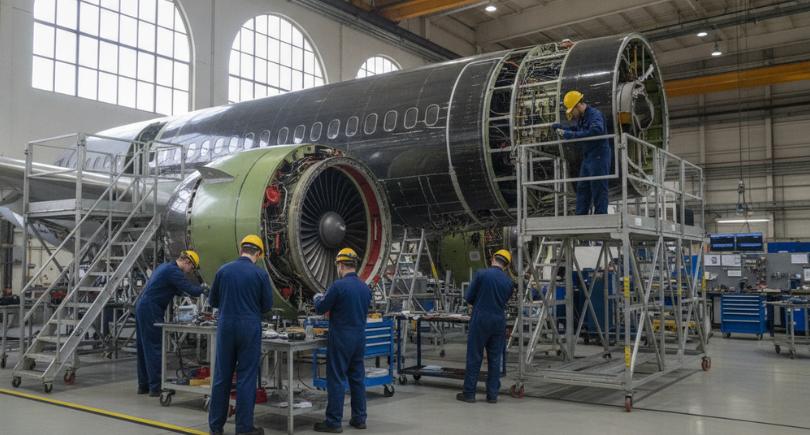
The programmes provide approved structural life-extension solutions for key aircraft components, enabling operators to extend the service life of their DHC-6 Twin Otter aircraft while supporting continued safe and reliable operations.
“De Havilland Canada has invested significant effort to validate these STCs to the standards customers expect from an original equipment manufacturer,” said Rob Mobilio, Chief Commercial Officer, De Havilland Canada.
“By making these Re-Life programmes available directly through our Aftermarket programme, we’re giving operators access to factory-supported life-extension solutions that help protect their investment and keep Twin Otter aircraft flying for years to come,” he added.
The Re-Life portfolio includes upgrades for the wing box, flight controls, engine nacelles, fuselage, horizontal stabiliser and vertical stabiliser. The modifications extend component service life by replacing critical structural elements, with some programmes adding up to 66,000 flight hours or 132,000 flight cycles, depending on the component.
The wing box programme extends service life by up to 33,000 flight hours or 66,000 flight cycles, while the engine nacelle upgrade increases service life to 45,000 flight hours or 90,000 flight cycles.
Also Read – Embraer expands C-390 Millennium training ecosystem for Sweden and Austria
De Havilland Canada expects the first Flight Controls Re-Life STC sold under the new programme to be incorporated into an aircraft later this year.
The introduction of the Re-Life programmes reflects the growing demand for OEM-backed lifecycle extension solutions that enable operators to maximise aircraft availability, defer costly fleet replacements and optimise long-term maintenance planning.