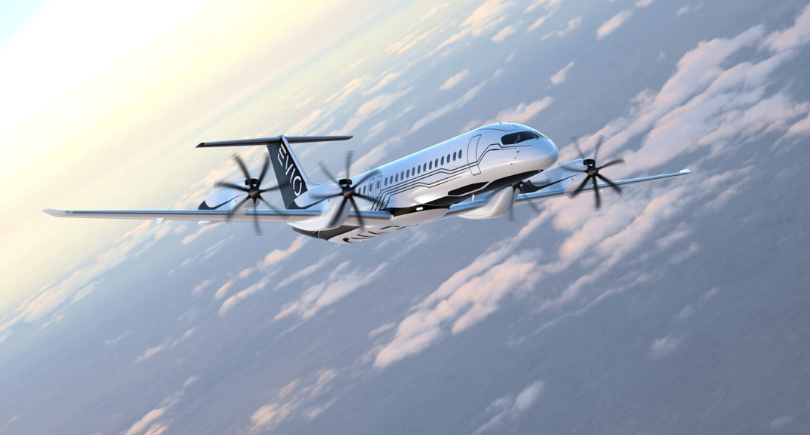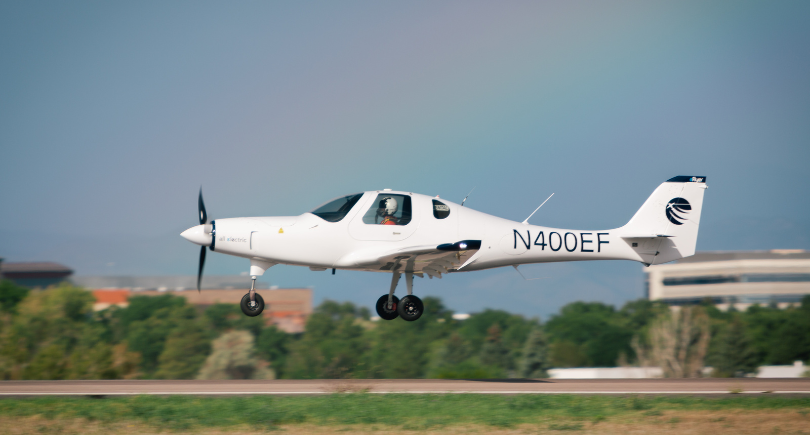

Bye Aerospace has completed the first flight of its eFlyer 2, marking the start of the aircraft’s flight-test programme and advancing the company’s development of an all-electric aircraft for the pilot-training market.
The aircraft completed its planned flight from Centennial Airport near Denver, Colorado, with Chief Test Pilot Elliot Seguin at the controls. The initial flight evaluated the eFlyer 2’s handling qualities, aerodynamic characteristics, propulsion and system performance while generating data for the next stage of testing.
Bye Aerospace said the aircraft performed as expected during the flight, with no maintenance discrepancies reported. The company will progressively expand the flight envelope to assess safety, performance and handling characteristics as it moves toward FAA certification and eventual customer deliveries.
Designed specifically for flight training, the eFlyer 2 combines an electric propulsion system with a lightweight composite airframe. Bye Aerospace says the aircraft is designed to reduce operating costs by up to 80% compared with conventional training aircraft while eliminating in-flight emissions.
Also Read – Vertical Aerospace, Saudi GACA Partner to advance regulatory framework for eVTOL ops
The company sees the aircraft as a potential option for flight schools, air taxi operators and private owners facing high fuel costs and engine maintenance requirements. The platform is also intended to support greater fleet utilisation and help reduce the cost of pilot training.
“The eFlyer 2 handled well during the flight and validated the work the engineering team has put into designing and testing the aircraft over the past several years,” said Seguin.
The programme brings together technologies and components from aerospace and manufacturing suppliers including Safran Electrical and Power, magniX, Siemens, Toray, Composite Approach, Garmin, Sensenich Propeller, Electro. Aero, Flying S, M4 Engineering, ACME Aero and Risse Racing.
With the first flight now completed, Bye Aerospace will focus on expanding the aircraft’s flight-test envelope and collecting additional performance data. The results will support the company’s efforts to demonstrate the safety and predictable handling required for student-pilot operations and progress the eFlyer 2 toward certification.