
Boeing and Archer Aviation have signed definitive agreements under which Archer will acquire Boeing’s Wisk Aero, SkyGrid and Insitu subsidiaries, creating an integrated platform spanning eVTOL aircraft, autonomous flight, airspace management and uncrewed aviation.
The transaction, announced on August 10, is expected to close by the end of 2026, subject to customary closing conditions, including the completion or termination of the applicable US antitrust review.
The deal will bring together three businesses developed by Boeing over several years with Archer’s growing capabilities in electric vertical take-off and landing (eVTOL) aircraft, autonomous systems and artificial intelligence. The combined portfolio is expected to create an end-to-end physical AI platform for aerospace and defence, covering commercial aviation, advanced air mobility, unmanned aircraft and automated airspace management.
As part of the transaction, Boeing will take a stake of nearly 20% in Archer and receive warrants, while retaining access to Wisk’s core autonomous flight technology through a separate collaboration and technology-sharing agreement. Boeing will also have the ability to nominate a director to Archer’s board.
Bringing autonomous aviation capabilities together
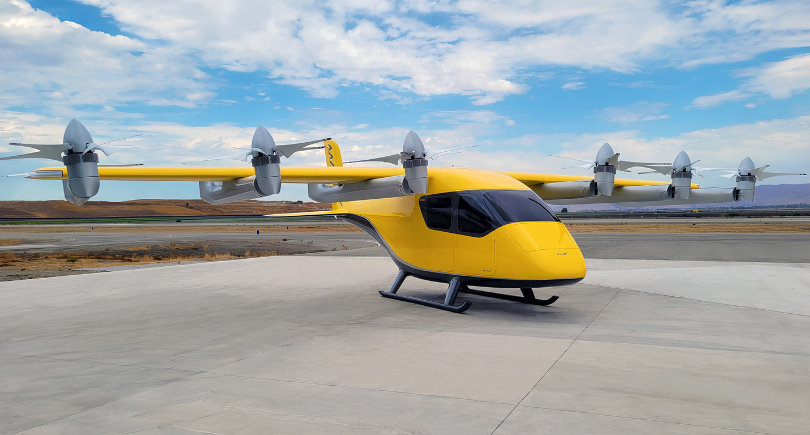
Wisk brings extensive experience in autonomous eVTOL development to the transaction. The company has designed, built and flown six generations of eVTOL aircraft, completing more than 1,700 flight tests over 16 years. Its technology portfolio includes autonomous flight-control systems, sensor suites and radar technologies being developed for future civil and potential defence applications.
SkyGrid adds a complementary capability through its aircraft-agnostic, ground-based air traffic management platform. Its technology is designed to support the safe integration and coordination of increasingly automated aircraft within future airspace environments.
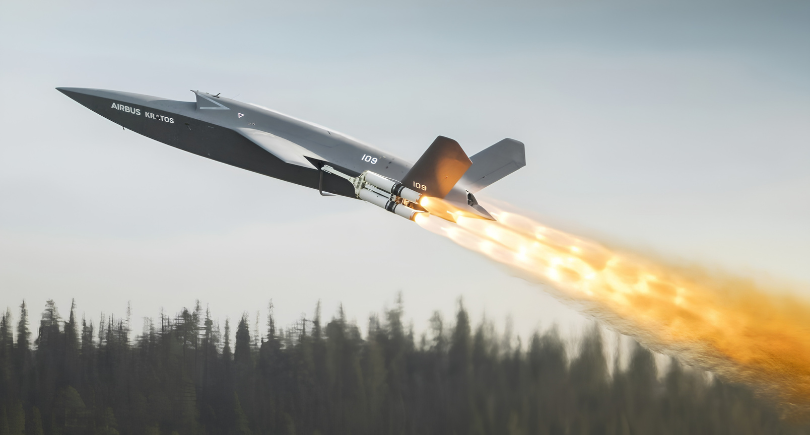
Meanwhile, Insitu brings an established defence and uncrewed aircraft business to Archer. The company develops and manufactures unmanned aircraft systems (UAS) for intelligence, surveillance and reconnaissance missions, along with AI-enabled software solutions.
Insitu’s systems have been deployed by the armed forces of 35 countries, while the company has manufactured and fielded more than 3,500 UAS. It generates more than US$200 million in annual revenue, according to the companies.
The three businesses, together with Archer’s existing capabilities, are expected to provide the combined platform with nearly two million cumulative flight hours across their technologies and operations.
Archer targets diversified aviation platform
For Archer, the acquisition significantly broadens its business beyond the development of electric air taxis. The company has been developing urban air mobility networks since its founding in 2018. By combining its eVTOL capabilities and ZEE aerospace and defence AI foundation model with Wisk’s autonomous flight technology, SkyGrid’s airspace intelligence and Insitu’s UAS expertise, Archer aims to establish a broader presence across advanced aviation and defence.
“This is a watershed moment for Archer and the future of physical AI in aerospace and defense,” said Adam Goldstein, Founder and CEO, Archer Aviation. “This is the next big step forward in becoming a diversified platform, rapidly growing our revenue base and bringing scale to our business.”
The transaction could therefore mark an important shift in the advanced air mobility sector, where companies are increasingly looking beyond aircraft development alone and towards the wider ecosystem required to operate autonomous and electric aircraft at scale.
Boeing retains technology access
For Boeing, the agreement forms part of CEO Kelly Ortberg’s broader strategy to streamline the company’s portfolio and concentrate investment on its core commercial aircraft, defence and space businesses.
The transaction allows Boeing to monetise and retain strategic value from technologies developed through its investments in advanced aviation, while transferring the businesses to a company focused specifically on accelerating their commercial development.
“It allows Wisk, SkyGrid and Insitu to accelerate capability development and time to market while ensuring Boeing capitalizes on its investments in these technologies over the past two decades through continued development in our core businesses,” said Brian Yutko, Vice President, Commercial Airplanes Product Development, Boeing.
Boeing will continue collaborating with Archer through the technology-sharing arrangement, maintaining access to Wisk’s core autonomous flight technologies for its current and future commercial and defence aircraft programmes.
Advanced air mobility
The transaction reflects the increasingly convergent nature of advanced aviation technologies. The future eVTOL ecosystem will require more than an aircraft capable of vertical take-off and landing. It will depend on autonomy, airspace intelligence, digital infrastructure, AI, fleet management, certification and reliable maintenance and support networks.
By combining these capabilities under one platform, Archer is positioning itself to address a broader segment of the emerging advanced aviation market.
For the eVTOL industry, the deal also highlights a growing trend towards consolidation and strategic partnerships as developers move from aircraft development and testing towards commercialisation and scalable operations.
The transaction remains subject to regulatory approvals and other closing conditions and is expected to be completed by the end of 2026. Once completed, it will give Archer a significantly broader technology and commercial footprint while allowing Boeing to maintain a strategic interest in the future of autonomous aviation.