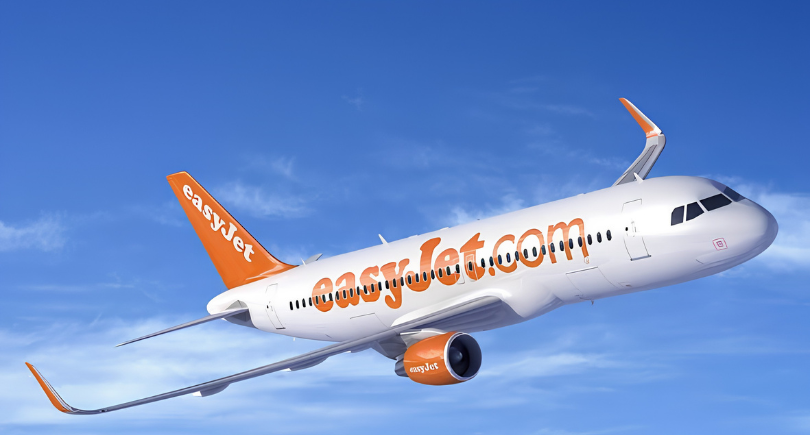

Apollo has agreed to acquire easyJet in a transaction valued at approximately £5.7 billion, marking one of the largest deals in the European aviation sector in recent years.
The acquisition will be completed through a recommended cash offer of £7.15 per share, representing an 81% premium to easyJet’s unaffected share price. The transaction will be implemented through a UK scheme of arrangement and is expected to close by the end of the first quarter of 2027, subject to shareholder, court and regulatory approvals.
Under the terms of the agreement, eligible easyJet shareholders will have the option to receive unlisted rollover shares in Apollo’s acquisition vehicle instead of cash, subject to a maximum ownership limit of 49.9%.
The Haji-Ioannou family, easyJet’s largest shareholder with a 15.31% stake, has provided irrevocable undertakings to support the transaction and intends to elect the unlisted share alternative for substantially all of its holdings.
Commenting on the deal, Sir Stelios Haji-Ioannou said the family had carefully evaluated Apollo’s proposal before deciding to support the acquisition. He noted that Apollo’s commitment to invest in and grow easyJet demonstrates confidence in both the airline and the strength of the easy brand, adding that the family plans to remain invested as long-term major shareholders during the airline’s next phase of growth.
Also Read – GE Aerospace and UKEF unveil US$1 billion engine maintenance financing program
Apollo said it intends to accelerate easyJet’s long-term strategy by investing in revenue management, ancillary products, network optimisation, loyalty programmes, distribution capabilities and the continued expansion of easyJet Holidays.
The investment firm also confirmed it plans to retain easyJet’s headquarters, operating certificates and workforce while supporting the airline’s existing management strategy.
easyJet’s board has unanimously recommended the offer, stating that the proposal delivers a significant premium for shareholders while providing greater certainty amid ongoing macroeconomic and geopolitical challenges.