
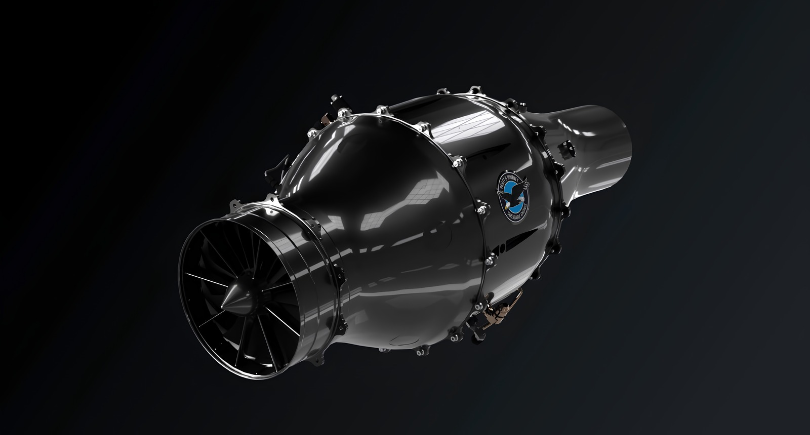
Pratt & Whitney is developing a new family of lightweight aircraft engines, known as Valox, using digital engineering and additive manufacturing to accelerate development and support propulsion requirements for small munitions and uncrewed aircraft.
The Valox family is designed to cover thrust requirements ranging from 500 to 1,800 pounds, with potential applications across platforms ranging from small munitions to larger uncrewed aircraft. The engines are intended for systems with shorter operational lifecycles and production requirements that differ from those of conventional fighter aircraft engines, which typically take years to develop and remain in service for decades.
“Our customer’s focus is no longer only on what we can deliver in 10 years, but also on what we can field tomorrow,” said Chrissy Williams, who leads the Advanced Military Engines portfolio at Pratt & Whitney, an RTX business.
The engines could also support autonomous collaborative platforms designed to operate alongside crewed fighter aircraft, extending their sensing and communications capabilities.
Additive Manufacturing Accelerates Production
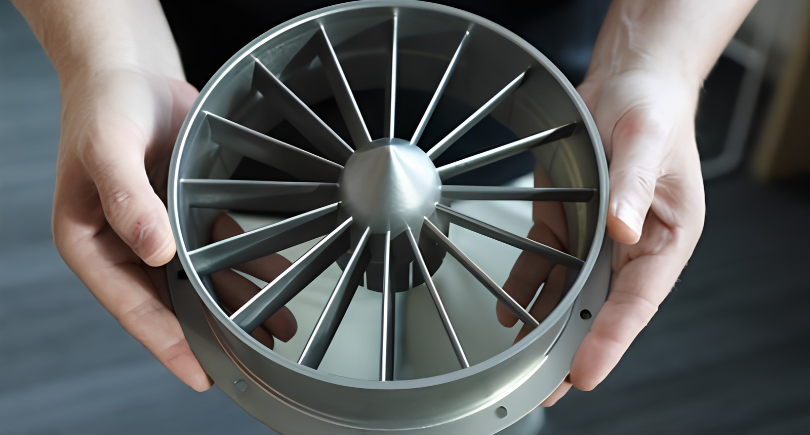
A key part of the development programme is the use of laser powder bed fusion, an additive manufacturing process that builds metal components layer by layer using digitally defined designs. Pratt & Whitney says the process can reduce manufacturing lead times significantly, with parts that traditionally take more than a year to produce potentially manufactured in less than a week.
Validated digital build files can also be shared with suppliers to support production across multiple locations. The technology allows engineers to develop components with complex geometries, integrated features and alternative material configurations.
Across the Valox family, engineers are combining conventionally manufactured parts with additively produced components in both the hot and cold sections of the engines.
Pratt & Whitney has also completed demonstration testing of an additively manufactured configuration of its TJ150 engine. Nearly 60% of the engine’s volume comprised additively manufactured parts. The compact engine is designed for missions lasting 15 minutes or less, with existing versions powering Raytheon’s MALD decoy and other smaller systems.
Digital Engineering Supports Faster Development
The Valox programme also uses Pratt & Whitney’s digital engineering environment to connect design requirements, performance data, testing, costs and qualification activities. The company says this digital thread allows engineering teams to assess the impact of changing customer requirements in seconds, rather than tracing updates through paper-based documentation over several months.
Simulation tools are being used to assess designs and predict performance before physical hardware or prototypes are available. A secure collaborative workspace also allows Pratt & Whitney, customers and suppliers to work with shared engineering data, enabling activities that traditionally took place sequentially to proceed in parallel.
Also Read – Airbus advances digital maintenance and fleet modernisation for Spanish Air Force
The programme draws on Pratt & Whitney’s extensive historical engine data and digital engineering experience across RTX. It is the company’s eighth digital programme, with development processes also benefiting from Raytheon’s experience in model-based systems engineering.
Through Valox, Pratt & Whitney is targeting faster development and scalable production of propulsion systems for emerging defence platforms. The programme reflects a shift towards digital design and manufacturing methods intended to shorten development cycles while supporting adaptable engine configurations.